Posts

Embrace Nostalgia: Transform Your Home with Vintage-Inspired Decor - Cosmopolitan Courier - Cosmopolitan Courier

In an era where sleek, minimalist designs often steal the spotlight, there’s a growing movement that celebrates the beauty of the past. It’s like finding a vintage dress in a sea of fast fashion—there’s a story, a soul, and a certain charm that modernity sometimes lacks. This nostalgic allure is not just confined to clothing or furniture; it extends to the very way we adorn our homes. Enter the world of vintage-inspired home decor, where every piece tells a tale, and every detail matters. Ever thought of how a simple house sign could transform your home’s facade into a narrative canvas? Let’s explore this fascinating trend.

The Power of Nostalgia in Home Decor

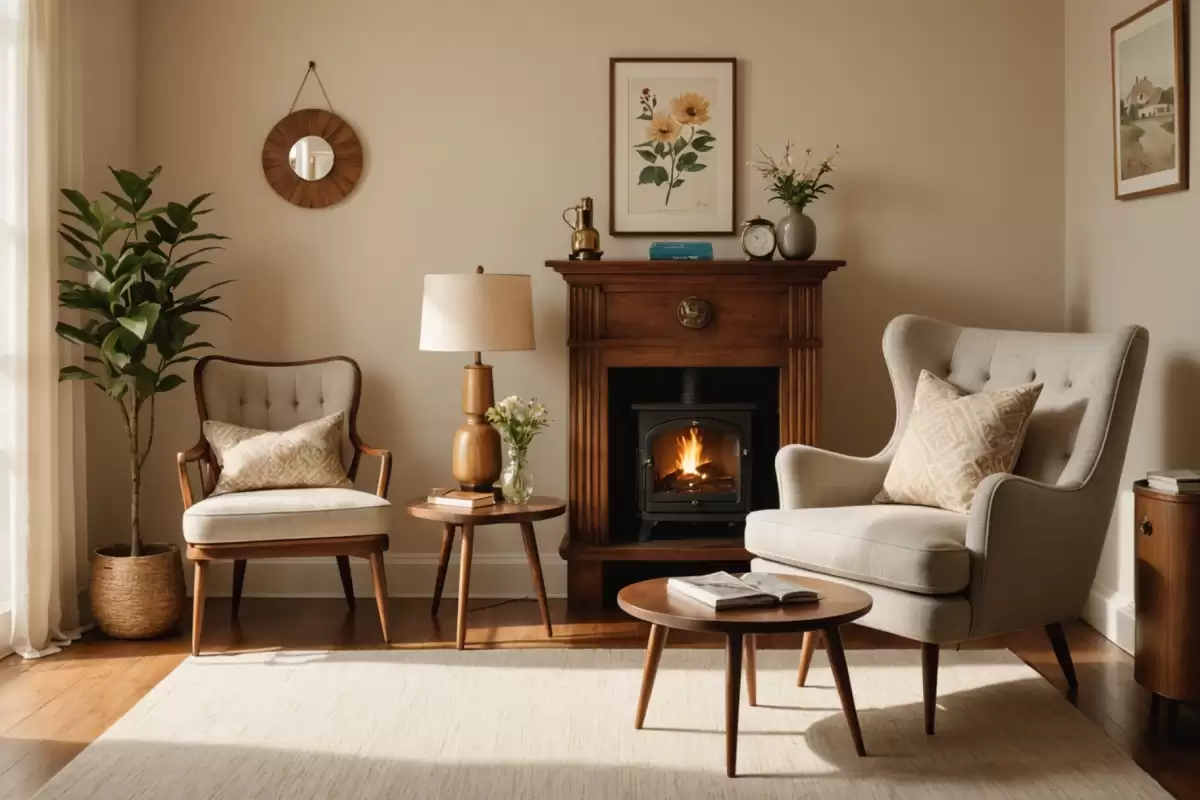
Nostalgia has a peculiar way of making us feel connected to something bigger than ourselves. It’s not just about reminiscing; it’s about creating a space that feels timeless and personal. Vintage-inspired decor taps into this by blending the old with the new, creating a harmonious balance that feels both fresh and familiar. From retro kitchen appliances to antique chandeliers, every piece adds a layer of depth and character to your home. But why stop indoors? Your home’s exterior can also benefit from this nostalgic touch.

Bringing Vintage Charm to Your Home’s Exterior

When it comes to curb appeal, the little things make a big difference. A vintage-inspired house sign can be the perfect finishing touch to your home’s exterior. It’s not just about aesthetics; it’s about making a statement—one that reflects your personality and the history of your home. Imagine a hand-painted wooden sign or a classic brass plaque greeting your guests. It’s a subtle nod to the past that can make your home stand out in the best possible way.

The Art of Storytelling Through Design

Design is more than just visual appeal; it’s a form of storytelling. Each vintage piece you choose for your home adds a chapter to your home’s story. A retro sign, for instance, might evoke memories of childhood visits to your grandparents’ house or remind you of a quaint little town you once visited. It’s these stories that make a house feel like a home.

Craftsmanship and Personalisation: The Heart of Vintage Design

What sets vintage-inspired decor apart is the craftsmanship and attention to detail. These aren’t mass-produced items; they’re crafted with care and precision. And the best part? You can personalise them to suit your taste. Whether it’s incorporating your family name or choosing a design that resonates with you, the possibilities are endless. This level of personalisation ensures that your home is truly one-of-a-kind.

A Sustainable Choice for the Modern Homeowner

In a world increasingly aware of sustainability, opting for vintage-inspired decor is a conscious choice. By choosing items that are built to last, you’re not only reducing waste but also investing in pieces that will stand the test of time. It’s about embracing a slower, more thoughtful approach to decorating—a philosophy that values quality over quantity.

Maintaining Your Vintage Treasures

Of course, with great beauty comes great responsibility. Keeping your vintage-inspired pieces in top shape requires a bit of care. Regular cleaning and occasional touch-ups will ensure that your decor remains as charming as the day you brought it home. And remember, a little wear and tear only adds to the story.

Discover More About the Timeless Appeal of House Signs

Curious to dive deeper into the world of old-fashioned house signs? Sign Artist has penned a delightful piece exploring the timeless charm of these signs in Australia. Their insights into craftsmanship, durability, and personalisation offer a fresh perspective on why these signs are making a comeback. It’s a must-read for anyone looking to add a touch of nostalgia to their home. Check out their article here.

Embrace the Past, Enrich the Present

Incorporating vintage-inspired elements into your home is more than just a design choice; it’s a lifestyle. It’s about cherishing the past while living in the present, creating a space that feels both timeless and uniquely yours. So next time you’re considering a home makeover, why not take a step back in time? You might just find that the past has a lot to offer.

For further inspiration on blending vintage with modern design, consider exploring this guide on sustainable home decor. It’s packed with ideas and tips that align beautifully with the vintage aesthetic, ensuring your home is both stylish and environmentally friendly.

Reviving History: The Art and Future of Adaptive Reuse in Modern Architecture

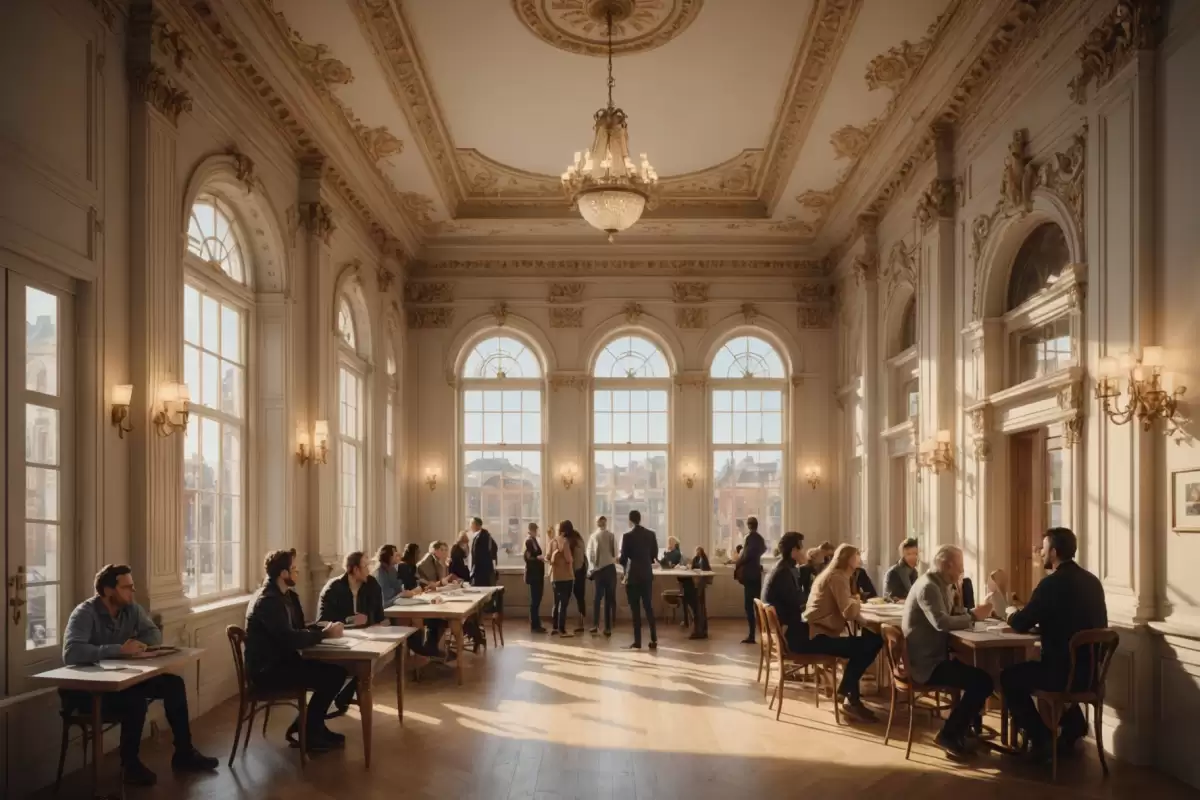
Imagine walking through a grand old building, with its ornate cornices and intricate woodwork whispering tales of a bygone era. Now, picture breathing new life into such a structure without losing its soul. This is the art of adaptive reuse—a concept that’s gaining traction in the world of architecture and design. It’s not just about preserving history; it’s about reimagining spaces to meet today’s needs while honoring their past. But how exactly does one strike this delicate balance, and why is it becoming a trendsetter in modern construction?

The Rise of Adaptive Reuse

Adaptive reuse is more than just a buzzword; it’s a sustainable approach to urban development. As cities grow and evolve, the pressure to preserve historical buildings while accommodating modern needs has never been greater. Instead of demolishing and rebuilding, adaptive reuse offers a creative solution: repurposing old structures for new uses. Think of an old factory transformed into chic loft apartments or a historic church becoming a vibrant community center. This approach not only conserves resources but also retains the cultural fabric of a place. Ever walked into a trendy café housed in a former fire station? That’s adaptive reuse at its finest.

Challenges of Breathing New Life into Old Structures

While the concept sounds romantic, the execution is anything but simple. One of the main challenges is maintaining the structural integrity of the original building while integrating modern amenities. This often involves a meticulous process of retrofitting, which can be both time-consuming and costly. Moreover, there’s the challenge of meeting current building codes and accessibility standards without compromising the historical essence of the structure. It’s a bit like walking a tightrope—one wrong move, and the whole project could lose its charm.

Creative Solutions in Adaptive Reuse

The beauty of adaptive reuse lies in its potential for innovation. Architects and designers are constantly coming up with ingenious ways to blend the old with the new. For instance, installing a glass atrium in a centuries-old building can flood the space with natural light while preserving its historical façade. Or consider using modern materials that mimic traditional ones, ensuring that new additions are in harmony with the original structure. It’s all about finding that sweet spot where history and modernity coexist seamlessly. Ever tried this yourself? It’s a game-changer!

The Role of Community and Collaboration

Adaptive reuse is not a solitary endeavor; it’s a collaborative process that often involves community engagement. Local residents, historians, and architects come together to ensure that the project reflects the community’s identity and values. Public consultations and workshops can provide valuable insights and foster a sense of ownership among locals. After all, these buildings are more than just bricks and mortar; they’re part of the community’s heritage. And when everyone’s on board, the result is a space that’s not only functional but also cherished by those who use it.

Linking to Heritage Construction

If you’re fascinated by the complexities of preserving history while embracing the future, you’ll find Magico Constructions’ insights on heritage construction invaluable. Their blog post, Heritage Construction Projects: How to Navigate the Complexities, delves deep into the intricacies of restoring historical buildings. It’s a must-read for anyone interested in the delicate art of balancing modern needs with historical integrity. Whether you’re an architect, a developer, or just someone who appreciates the beauty of old buildings, their expertise offers a fresh perspective on this challenging yet rewarding field.

Looking Ahead: The Future of Adaptive Reuse

As we move towards a more sustainable future, the trend of adaptive reuse is likely to gain even more momentum. It’s a testament to human creativity and ingenuity, proving that we can honor the past while building for the future. By embracing this approach, we’re not just preserving buildings; we’re preserving stories, memories, and identities. And isn’t that what makes a place truly special?

For those eager to explore further, check out ArchDaily’s comprehensive guide on adaptive reuse projects worldwide. It’s packed with inspiring examples and expert insights that’ll leave you itching to embark on your own adaptive reuse journey.