Photo: TomaszSwatowski / Wikimedia Commons, CC BY-SA 4.0
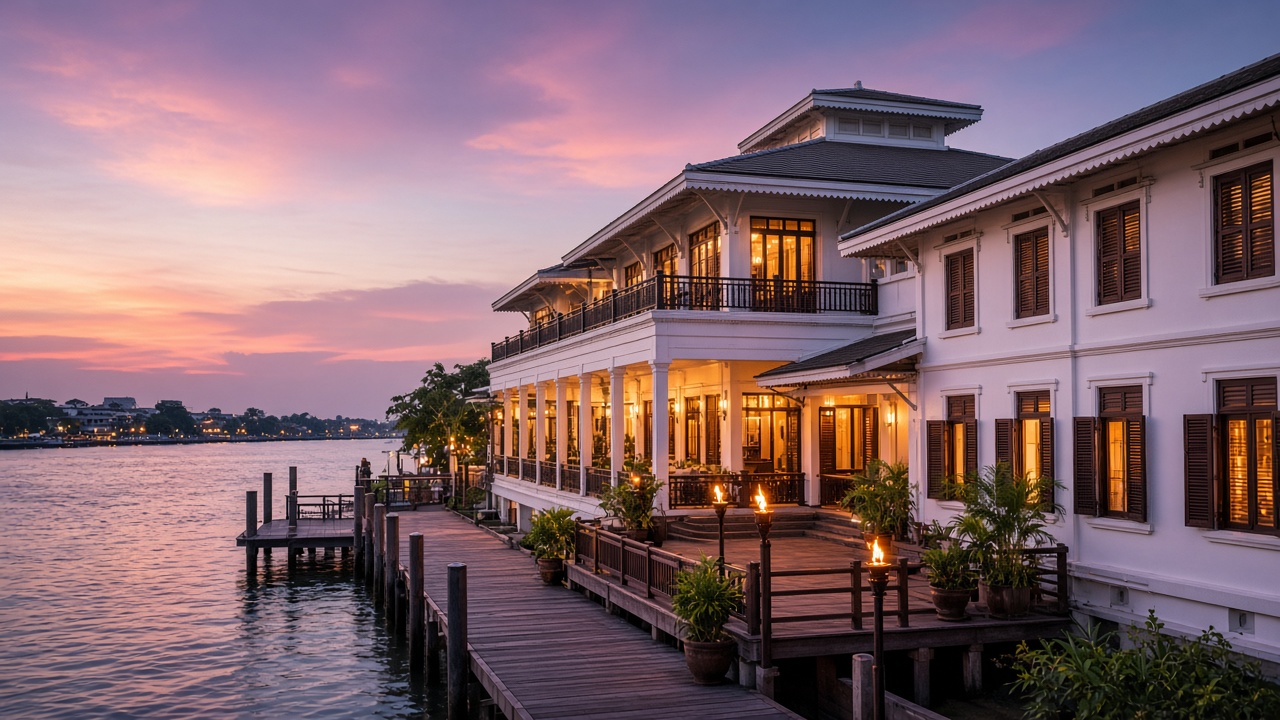
On a quiet stretch of the Chao Phraya in Bangkok’s royal Dusit district, a musical family’s riverside hideaway of just under 40 suites and villas, with rooms filled with antiques and Three MICHELIN Keys, makes a convincing case for slowing right down in the city.
The setting
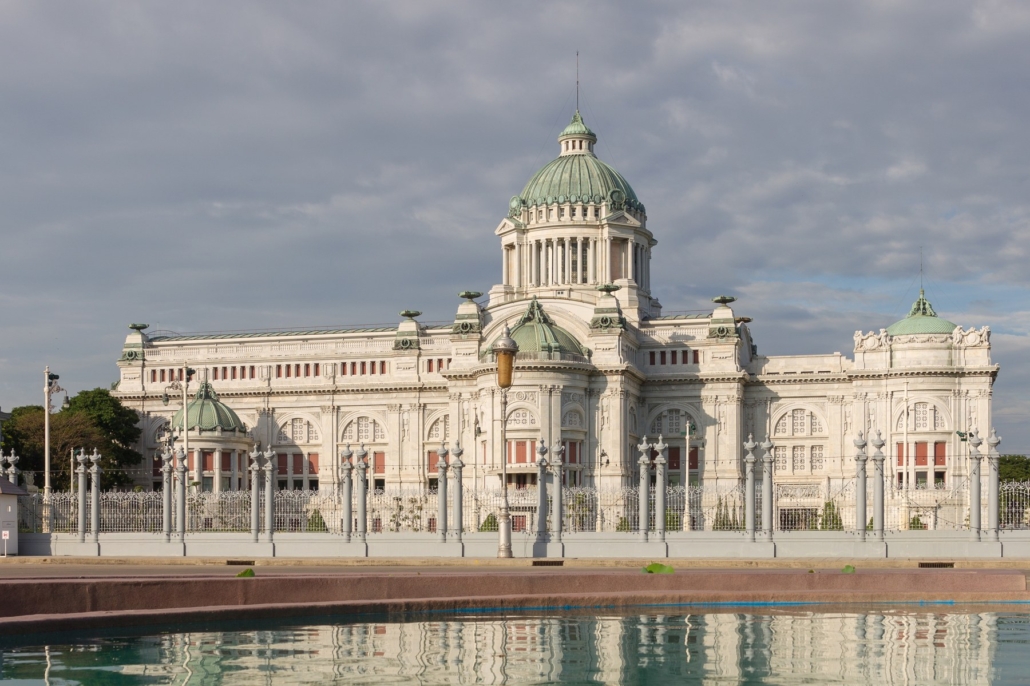
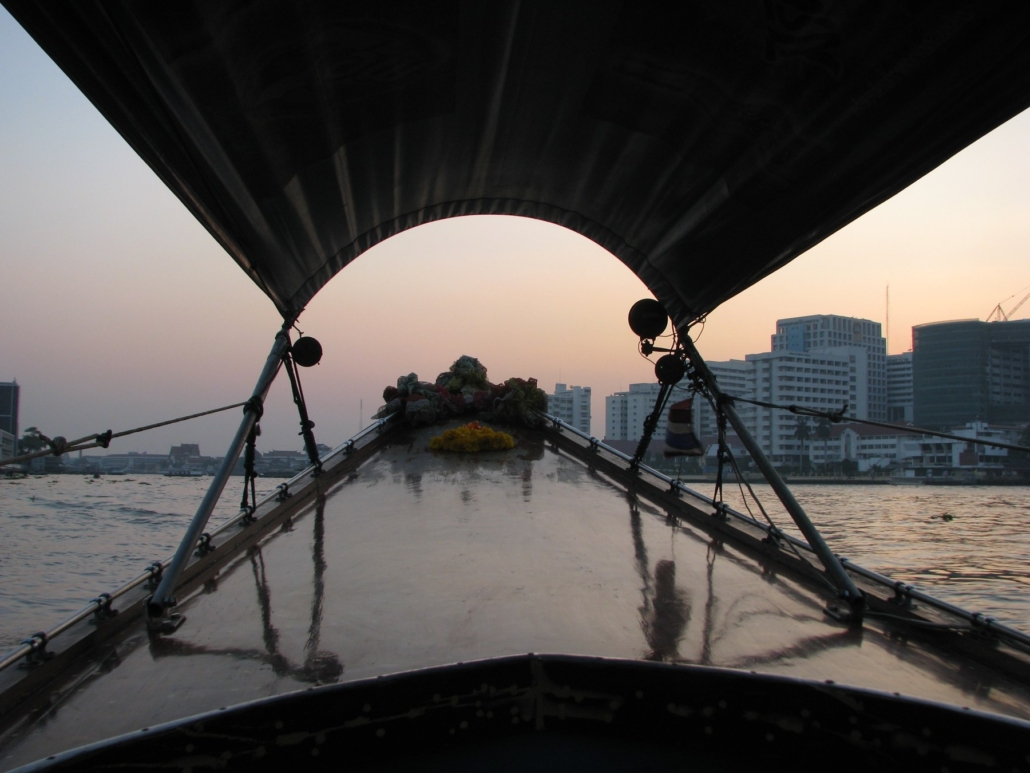
Most Bangkok luxury hotels sell the skyline. The Siam goes the other way. It sits on three acres of river frontage in Dusit, the old royal quarter of palaces, throne halls and temples, and describes itself as the only luxury hotel in the district. The effect is a Bangkok that feels unhurried: water traffic instead of road traffic, birdsong instead of horns, and the hotel’s own boat to carry you downriver whenever the city calls.
The story behind it is a family one. In 1973 Kamol Sukosol bought an unused plot on the river and kept it as a private pier. His daughter Kamala went on to build the family’s hotel business while becoming one of Thailand’s best-known jazz singers. Her youngest son, Krissada Sukosol Clapp, is a rock musician, an award-winning actor and a lifelong collector of antiques. He conceived The Siam on that same riverside land, working with the architect and designer Bill Bensley.
Together they created what the MICHELIN Guide calls “a throwback to Bangkok’s Art Deco period”: a richly layered house of vintage furniture, Thai heritage and objects from Krissada’s own collection. The hotel puts it more simply, calling itself a “living museum”.
“a throwback to Bangkok’s Art Deco period”
The rooms & villas
There are no small rooms here. The entry-level Siam Suite measures 80 square metres, and the hotel says every detail is planned with one aim, rest: an oversized king bed, an Art Deco living room and an Italian bathtub big enough for two. Garden View and River View Suites share the same footprint, while the Premier Garden and Premier River View Suites stretch to 100 square metres.
For the most privacy, the Courtyard Pool Villas and Riverside Pool Villas run to 130 square metres, each with its own pool. The Riverside villas add a sheltered terrace looking over the hotel’s infinity pool to the river beyond. In the gardens stands Connie’s Cottage, a century-old teak house that the curio collector Connie Mangskau and her friend, the silk merchant Jim Thompson, brought downriver from Ayutthaya.
The inclusions are generous and refreshingly uncomplicated. Every stay comes with daily breakfast, butler service, Wi-Fi throughout and the shuttle boat to and from the city. Bathrooms have twin basins, a bathtub and a separate walk-in shower, and fresh flowers and fruit are standard.
Eat & drink
Dining is spread across a handful of very different rooms, each with its own mood.
Chon Thai Restaurant is set within traditional Thai teak houses and serves classic Thai cooking built on local produce, from breakfast through to a tasting menu at dinner. Deco Bar & Bistro is the evening counterpoint: a 1920s-inspired jazz bar and contemporary bistro, with a menu shaped by chef Blair Mathieson and a cocktail list that takes its cue from the Prohibition era, non-alcoholic options included.
By day, The Story House, designed with Bensley Design Studios and styled by Krissada, serves an afternoon tea created with Sarnies. Bathers Bar sits beside the infinity pool for light bites and daybeds. And as the light softens, The Pier, a wooden deck and floating pontoon over the Chao Phraya that glows with lamps after dark, is the place for sunset drinks.
Wellness
Opium Spa is open every day. Its approach draws on traditional healing practices refined with contemporary techniques, and there are steam saunas, a steam shower and the signature Opium Den to linger in. Alongside facials, body treatments and massage, the menu includes Thai traditional medicine with warm salt-pot therapy, and Margy’s Monte Carlo skincare treatments.
For a longer reset, the spa offers multi-day packages and a flexible wellness program combining yoga, holistic treatments and restorative rituals. Elsewhere on the property are a gym, a yoga terrace and, unusually for a city hotel, a Muay Thai boxing ring.
Beyond the resort
The hotel’s own list of experiences reads like a crash course in Thai culture: a hands-on cooking class on the riverbank, a sunset cruise in a boat inspired by a traditional sala, a day of Muay Thai training with the in-house coach, and Sak Yant, the sacred Thai tattoo tradition. There is also a portrait session using collodion wet-plate photography, a handmade 19th-century process. At Connie’s Corner, Jim Thompson and the Bensley Gallery have shops on site, and an electric tuk tuk is on hand for quiet trips through the old city.
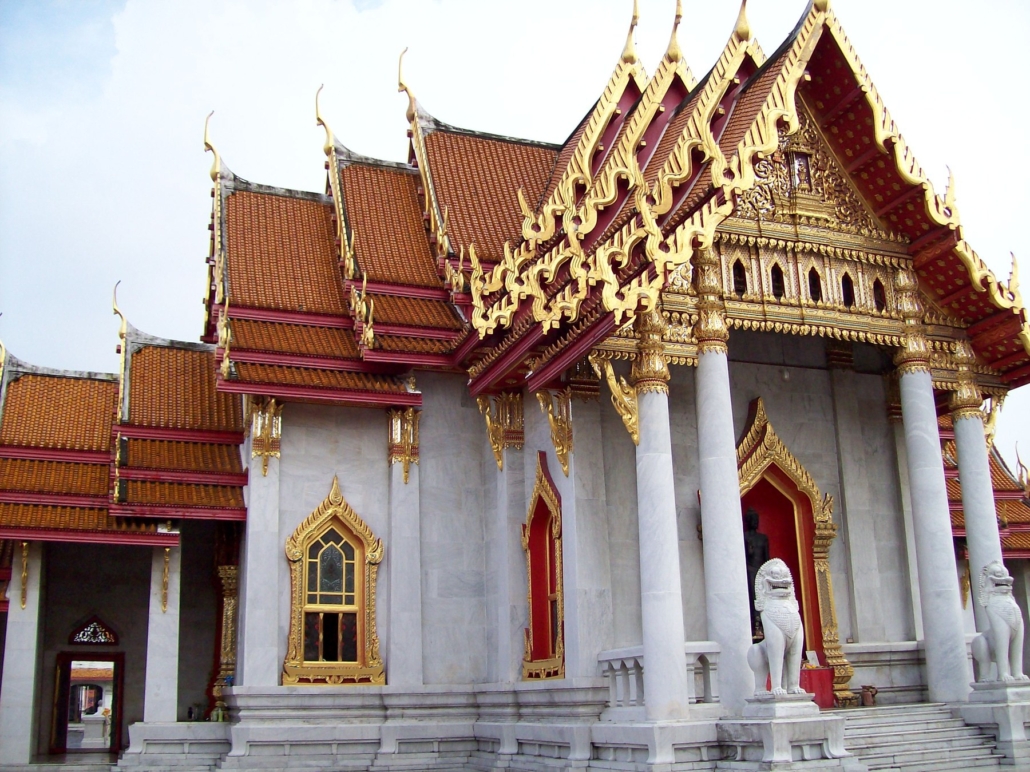
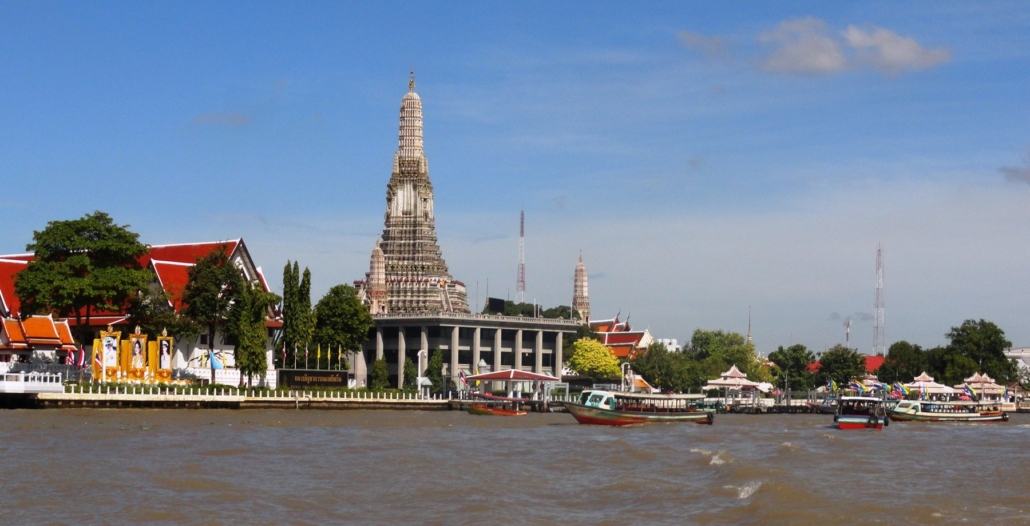
Further afield, the hotel arranges outings to the floating markets at Tha Kha and Amphawa, longtail boat trips through Bangkok’s old canals and artisan villages, cycling tours along back lanes, and day trips to the ancient capital of Ayutthaya.
When to go
Bangkok is warm all year, but the most comfortable months are usually November to February, when the air is drier and evenings by the river are pleasant. March to May brings the city’s hottest weather, and Songkran, the Thai New Year in mid-April, turns streets into a citywide water fight. From roughly June to October, the rainy season brings heavy but often short afternoon downpours. That is a good time to make the most of the spa, the Muay Thai ring and long lunches indoors. On the full moon of the twelfth lunar month, usually in November, Loy Krathong sees candle-lit floats set adrift on the Chao Phraya, and a riverside hotel is a lovely place to see it.
Who it’s for
The Siam suits travellers who like their luxury with character: women who would rather browse a curated collection of antiques than a shopping mall, who want a city stay that feels like a retreat, and who appreciate that a butler, breakfast and the boat into town come with every room. It works for a milestone birthday or anniversary, a design-focused trip with friends, or a few calm nights to bookend a beach holiday elsewhere in Thailand.
It is less suited to anyone who wants to step straight out into Bangkok’s shopping districts. The Dusit location is quiet by design, and the MICHELIN Guide notes it is “just a touch isolated”. For the guest it is made for, that is precisely the appeal.
This guide was researched independently from published sources; Cosmopolitan Courier was not compensated.