Photo: josef knecht / Wikimedia Commons, CC BY 3.0
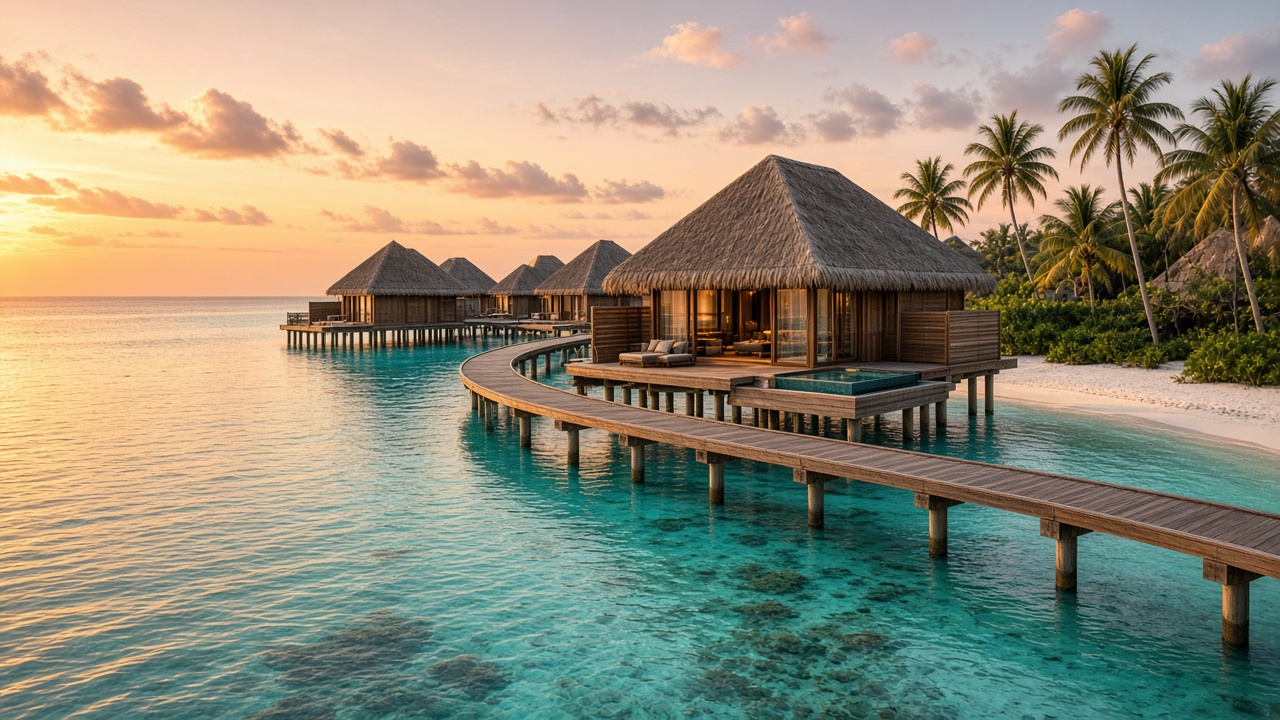
A lawyer’s dream of a retirement plot on an island without roads became Koh Lanta’s most celebrated resort: 100 acres of forest and 900 metres of beach on Ba Kantiang Bay, still family-owned and holding Two MICHELIN Keys.
The setting
Pimalai began as a retirement plan. Anurat Tiyaphorn, a former lawyer and partner at an international law firm, was looking for somewhere to build a retirement home when he came across Koh Lanta. At the time the island had no roads and no electricity, and, as his daughter Charintip has recalled, many locals keen to move to the city approached him to buy their land. He loved how unspoiled the island was and worried that someone else would over-develop it. So he invited friends to co-invest, and the parcel they assembled was big enough for far more than a house. The resort opened in December 2001.
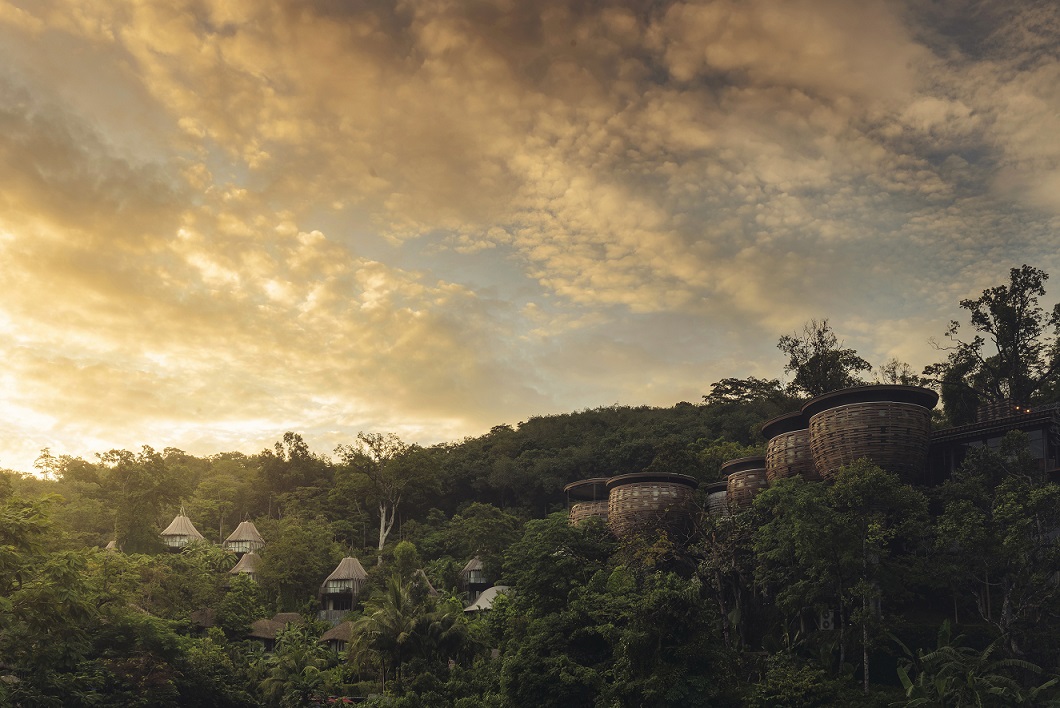
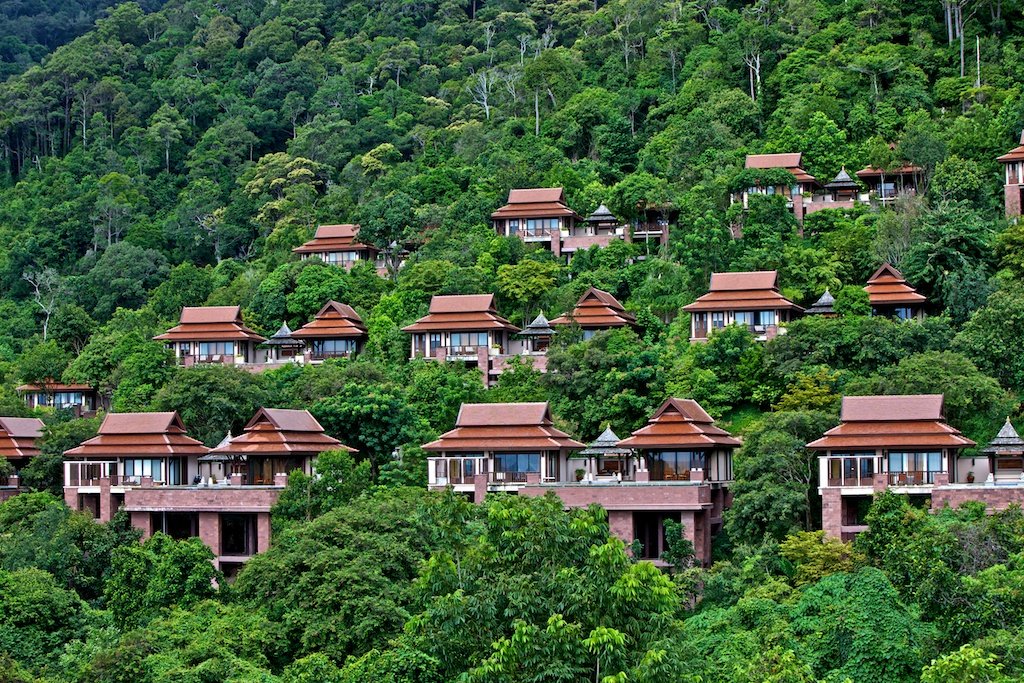
The name comes from Sanskrit and is usually translated as “a little patch of heaven”. It is apt. The resort spreads across 100 acres of hilly tropical forest that run down to 900 metres of beach on Ba Kantiang Bay. From the start, the villas and facilities were built to fit the existing terrain without destroying the surrounding trees, and water is drawn from nearby mountains and reservoirs, filtered on site, then treated and reused. The MICHELIN Guide, which awards it Two Keys, praises a design that lets “the gardens, the woods, and the beach take center stage”. Hornbills, eagles, monitor lizards and colugos share the grounds, and dolphins are sometimes seen offshore.
“the gardens, the woods, and the beach take center stage”
The rooms & villas
The MICHELIN Guide describes a “warm, contemporary and identifiably Thai style”, with full-length windows and wraparound terraces or balconies throughout. Rooms start with the 48-square-metre Deluxe Rooms near the main facilities and the 70-square-metre Bayfront Deluxe Rooms, where a bathtub looks out over the Andaman Sea. The Pavilion Suites follow, including Beachside Pavilion Suites of 110 square metres that open straight onto the sand.
The showpieces are the villas. The hillside pool villas sit 60 to 80 metres above sea level, among the jungle, with private pools and ocean views. They range from 204 to 422 square metres, depending on the number of bedrooms. Down on the shore, beachside villas have a staircase from the terrace directly onto the beach, and the largest, at 650 square metres with its own kitchen, sleeps up to nine.
Eat & drink
Seafood and Southern Thai flavours lead the way here. Rak Talay serves locally sourced seafood (grilled fish, Thai curries) with Andaman views, and is made for sunset. Seven Seas is the resort’s fine-dining restaurant, with sweeping sea views, an extensive wine list, and a menu of seafood, premium meats and creative vegetarian dishes. It also serves breakfast. Spice N’ Rice focuses on fragrant curries, stir-fries and regional Thai classics.
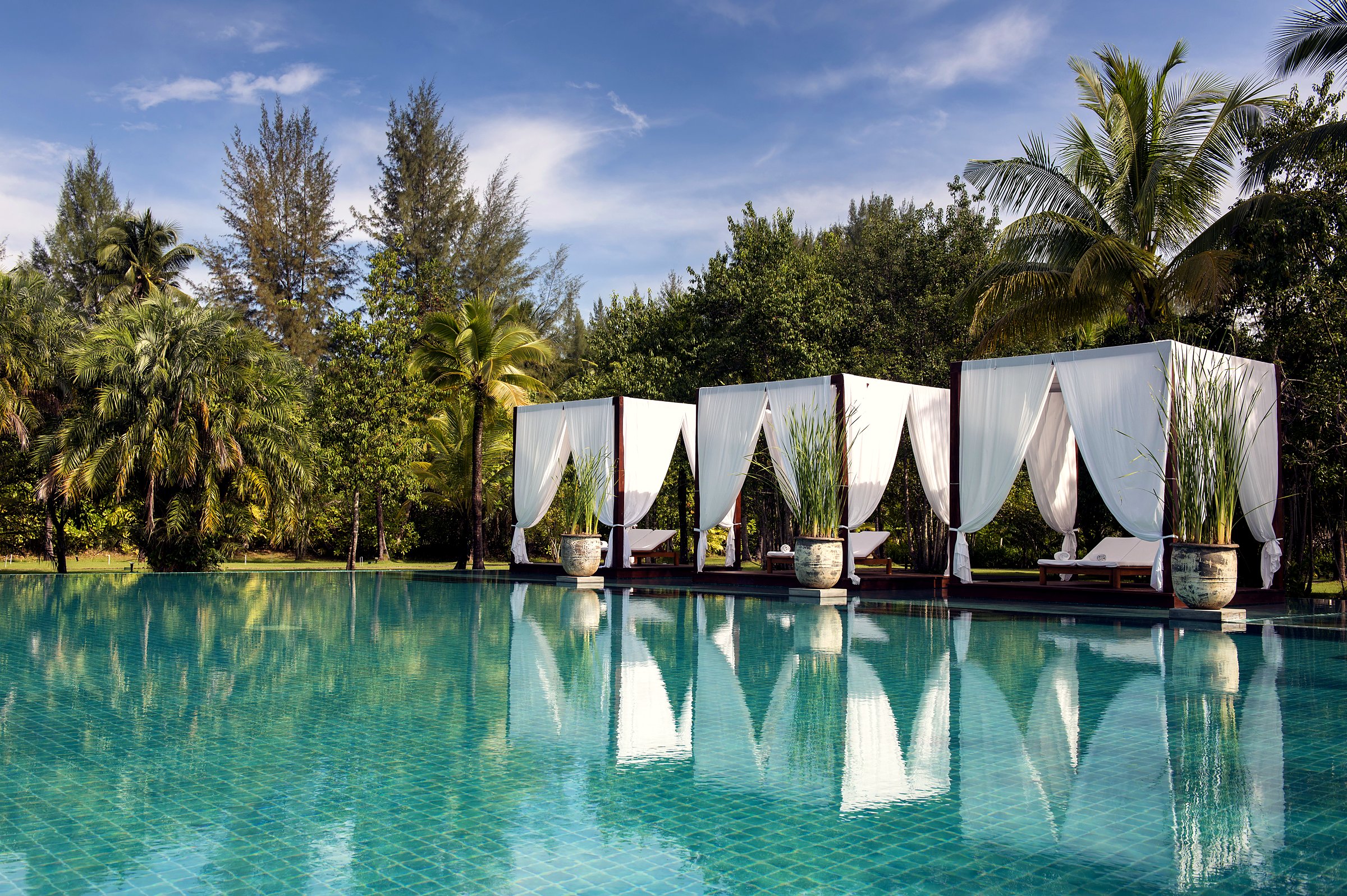
By day, Banyan Tree Café serves salads, sandwiches and light lunches in the gardens. The Pool Bar sits beside the infinity pool, and Pimalai Heritage Bar, inspired by Thai colonial heritage, pours cocktails as the sun sets over the Andaman. For a special night, the resort will set a private dinner for two on the beach, and Thai cooking classes are on the menu too.
Wellness
Pimalai Spa is a spa village set in the jungle, with a waterfall running through it. The resort notes it has won a World Luxury Spa Award and features in the Condé Nast Johansens Luxury Spa Collection. Treatments blend traditional and contemporary techniques, from Thai massage to body wraps and facials.
Beachfront yoga, guided forest hikes, bird-watching and a sports centre round out the active side of a stay, and the resort has an on-site dive centre.
Beyond the resort
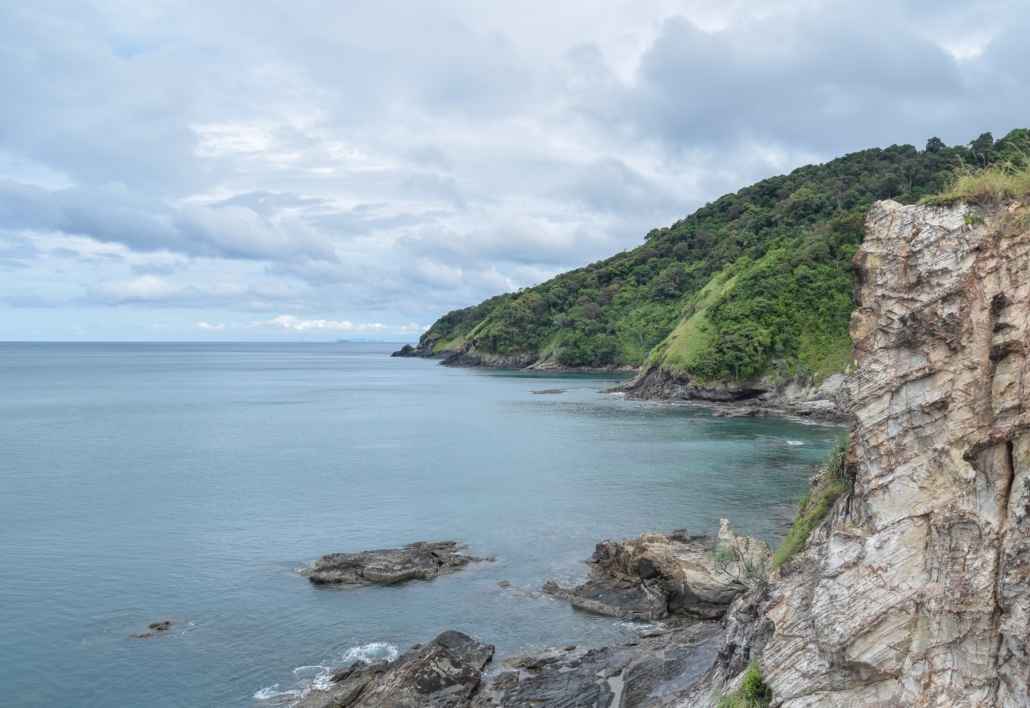
Koh Lanta rewards curiosity. Pimalai’s own speedboats run to the Mu Koh Lanta National Marine Park for snorkelling and freediving among limestone cliffs. The reefs around Koh Haa and Koh Rok are among Thailand’s most important marine ecosystems, and since 2016 the resort has worked with the national park and the marine conservationist Anuar Abdullah on reef monitoring and coral restoration.
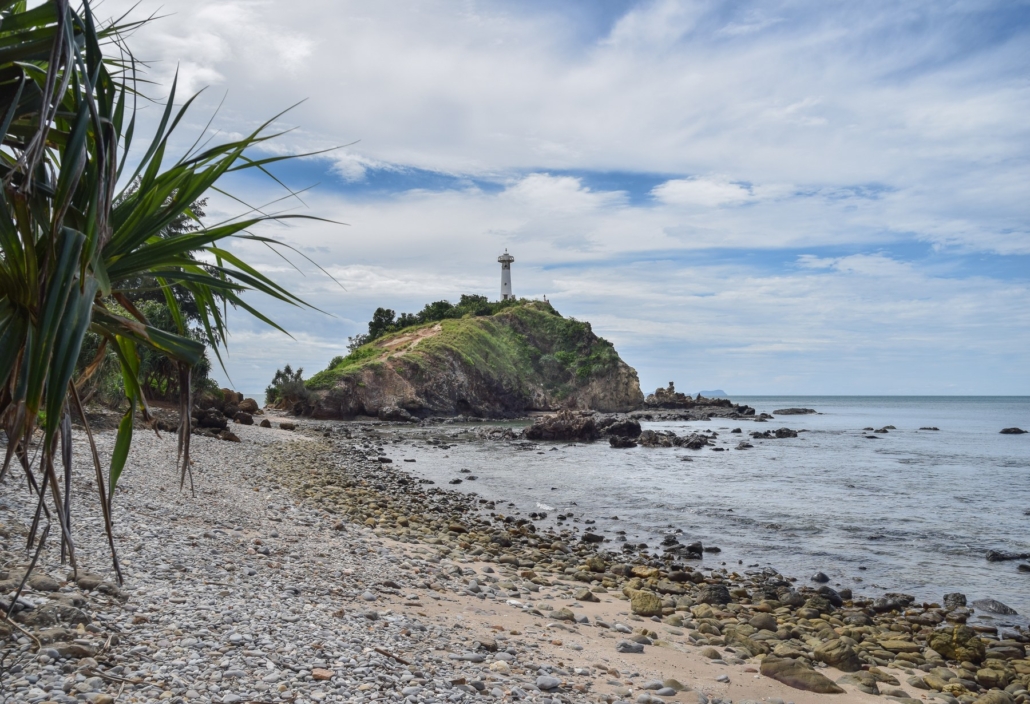
On land, the national park at the island’s southern tip has a lighthouse, a nature trail and a viewpoint over two contrasting coastlines. On the east coast, Lanta Old Town has kept its character for more than a century. Close to 1,000 acres of mangrove forest can be explored by boat, and the island makes a good base for hopping to Phi Phi, Koh Mook, Koh Kradan, Koh Ngai and beyond.
When to go
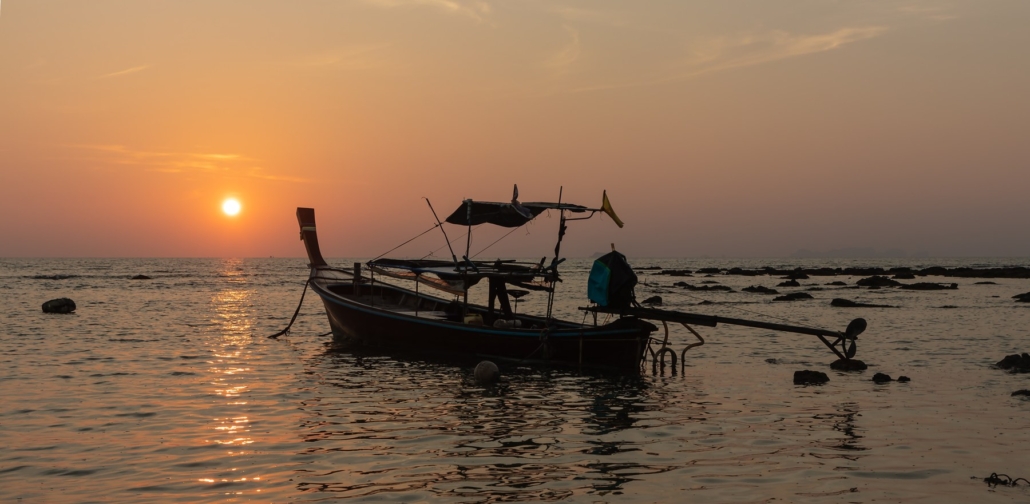
Koh Lanta is a dry-season island at heart. From roughly November to April, the weather is settled and the sea calm, which is when most visitors come. From about May to October, the south-west monsoon brings rain and rough seas, and the island slows right down, though the forest is at its most lush. On Koh Lanta, the season also shapes your arrival: in the drier months, the resort’s boat lands directly on Pimalai’s beach, while at other times it uses a pier or, in rough weather, the road and car ferry. Trips to Koh Haa and Koh Rok depend on sea conditions, so the dry months are best for divers and snorkellers.
Who it’s for
Pimalai suits travellers who want a beach resort that still feels wild: couples who love long walks on a quiet bay, nature lovers, snorkellers and divers, and families looking for space. Its long-running conservation and community work, from composting more than 3 million kilograms of organic waste since 2012 to coordinating a science-education program for 11 local schools, will matter to guests who care where their money goes.
It is not a quick hop. Getting to Koh Lanta takes road and boat time, and there is little nightlife or shopping. Parents of young children should note that the hillside villa pools are unfenced and the resort says they are not suitable for children under 12.
This guide was researched independently from published sources; Cosmopolitan Courier was not compensated.