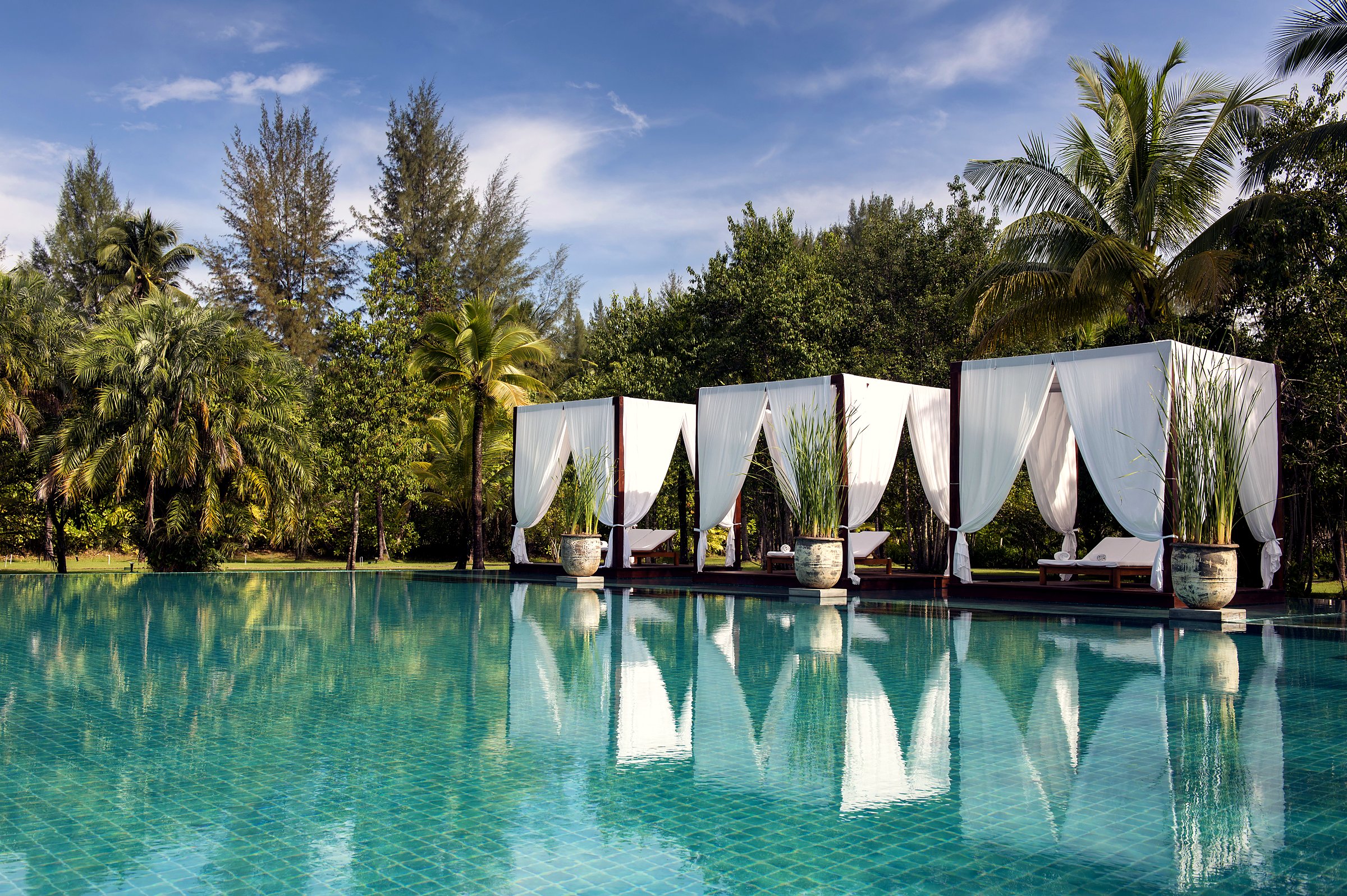
Courtesy of The Sarojin
On an 11-kilometre sweep of Andaman sand north of Phuket, a husband-and-wife-owned resort of just 56 residences pairs barefoot romance with one of Thai hospitality’s most moving stories of resilience, and holds Two MICHELIN Keys.
The setting
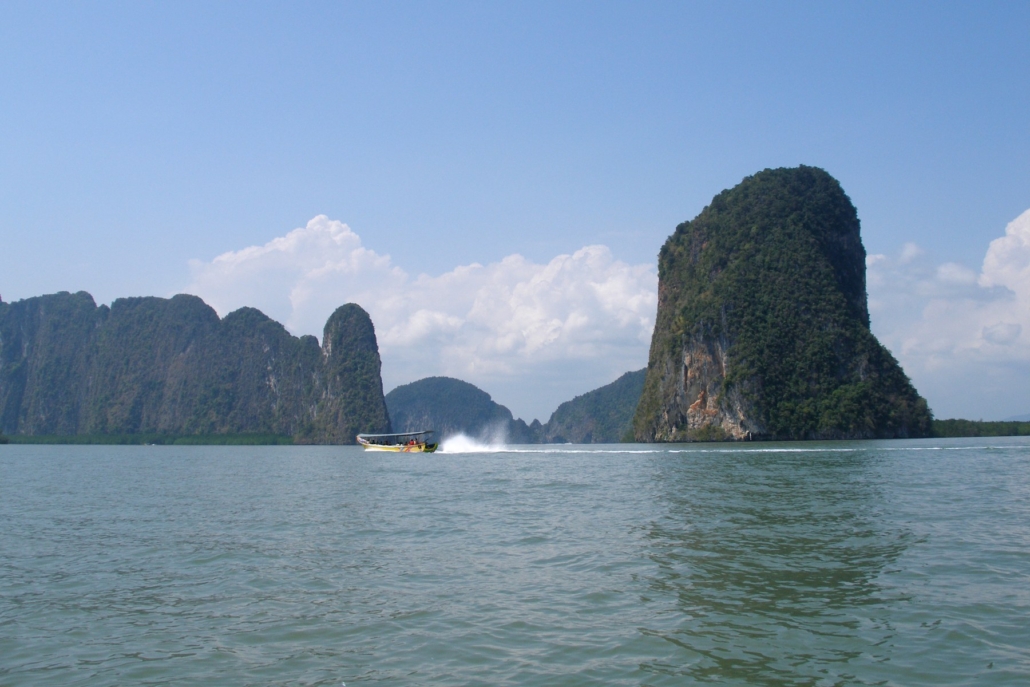
Khao Lak feels like Thailand’s Andaman coast before the crowds arrived. The Sarojin sits in 10 acres of tropical gardens with direct access to an 11-kilometre stretch of white sand. Pakarang Cape, a coral headland, shelters the beach and makes swimming possible year-round. Five national parks surround the area, and the dive sites of the Similan and Surin Islands and the limestone drama of Phang Nga Bay are within reach.
The resort’s story is what lingers. Its owners, Kate and Andrew Kemp, chose Khao Lak for its local culture, its people and its undisturbed landscape, at a time when some thought it too unknown for a luxury hotel. Then, just 10 days before The Sarojin was due to open, the Boxing Day tsunami of 2004 devastated the region. According to the resort, the Kemps promised their staff they would rebuild and guaranteed their jobs. The Sarojin was the first employer in the area to bring back its 100 staff. When it finally opened in October 2005, the Kemps named a guest residence after each of the 53 team members who had been with them before and after the disaster.
That spirit lives on in the Sarojin Khao Lak Community Fund, set up in December 2004, which passes 100 per cent of its money to local projects. They range from prosthetic limbs and school classrooms to rebuilding the fishing fleet. Monthly “Sarojin Cares” days bring the team and guests together for clean-ups, restoration work and educational support, and the resort offers hotel trainee placements to older students from a local orphanage.
When it finally opened in October 2005, the Kemps named a guest residence after each of the 53 team members who had been with them before and after the disaster.
The rooms & villas
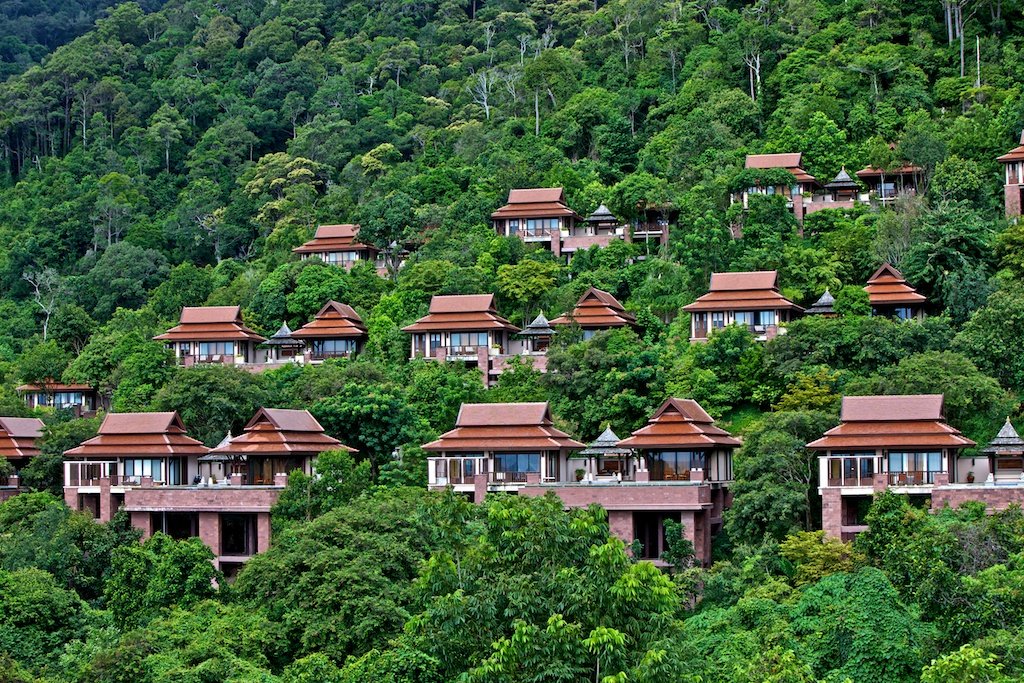
There are just 56 residences, set in seven two-storey buildings around tropical gardens and an ancient ficus tree. Each is reached by crossing a stream and a garden terrace, so arriving home feels like a small ritual.
The 28 Garden Residences (95 square metres) sit on the ground floor, each with its own shaded Thai garden sala and a generous couples’ bathroom. The 14 Pool Residences (120 square metres) take the ground-floor corners and add a private pool. Upstairs, 14 Suites of 150 square metres come with a heated outdoor whirlpool pavilion on a sun terrace overlooking the gardens. For families or friends, a 2-Bedroom Pool Residence of 215 square metres joins a Garden Residence and a Pool Residence with a connecting door.
Breakfast is a highlight: a gourmet à la carte menu with sparkling wine, served well into the afternoon.
Eat & drink
The Sarojin’s dining philosophy can be summed up in one question it likes to ask guests: “Where would you like your table set today?” Dishes can be tailored to vegetarian, vegan, plant-based, gluten-free and halal diets.
Ficus is the refined option, serving contemporary Mediterranean cuisine beneath the hanging roots of the ancient ficus tree beside the Lotus Pond. The Edge is breezy and rustic-chic, an open-air timber pavilion facing the sea, serving Thai and South-East Asian dishes. The beach bar offers loungers, beanbags, cocktails, seafood baskets and Thai bites with sand-and-sea views. The award-winning wine cellar holds 200 wines, with 20 wines and Champagnes by the glass.
Then there is private dining, the resort’s signature. Tables can be set in your own sala, on a secluded stretch of beach, or by a candlelit jungle waterfall. Weekly Culinary Journey evenings bring open kitchens and cooking demonstrations into the gardens or onto the beach. Cooking classes start at the local market and can end on the beach or beneath that waterfall. There is even a “Catch, Cook and Dine” day, where you fish for your lunch and eat it safari-style.
Wellness
The spa, Pathways, floats over the resort’s estuary, with views through a coconut grove to the sea, and is reached along a meandering boardwalk. There are four open-air double treatment pavilions with rain showers, two of them with couples’ baths, plus an air-conditioned facial room and an open-air relaxation lounge.
Yoga sessions can be tailored to the individual, and weekly Yoga for the Community classes support the resort’s community fund. So does a pickleball court, with social sessions three times a week. There is also a fitness centre.
Beyond the resort
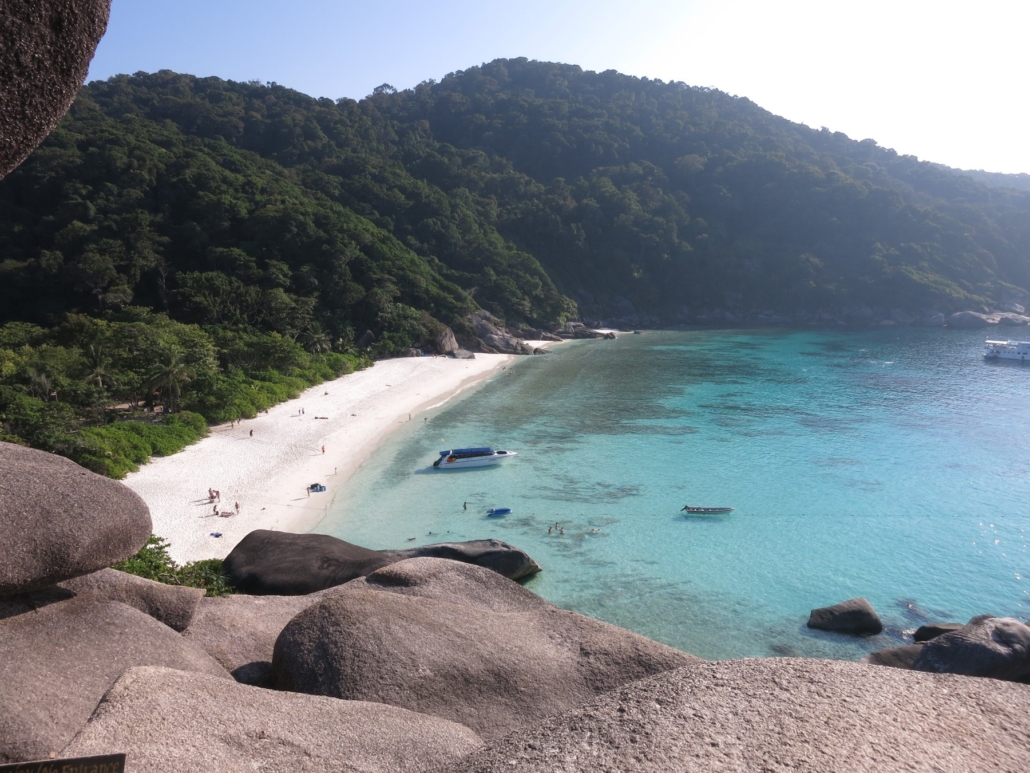
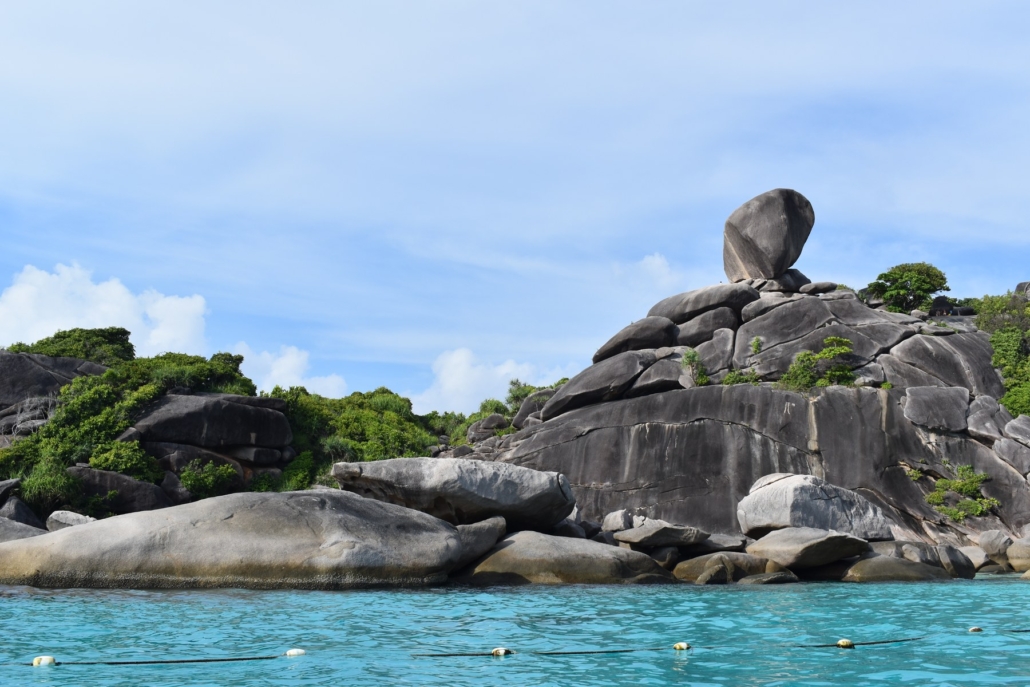
The resort’s own boat, the Lady Sarojin, is the key to the Andaman. From November to early May she is moored off the beach and runs to the Similan and Surin Islands, where reefs begin just metres from the sand. From May to October she moves to Yacht Haven Marina in Phuket for days out to Phang Nga Bay and Phi Phi.
On land, a personal “imagineer” designs tailor-made excursions into the surrounding national parks. There are three 18-hole golf courses within an hour, bikes and picnics for slow exploring, and complimentary transfers to visit the community projects the resort supports. Through its One Booking One Tree initiative, launched in 2022, the resort plants a tree for every booking, and guests can join the planting.
When to go
Khao Lak’s seasons are sharply defined. The dry months, roughly November to April, bring sunshine, calm water and the clearest conditions offshore, and they fill up early. From about May to October, the south-west monsoon delivers rain, stronger waves on the long beach and a lush, peaceful green season. For Khao Lak, that timing matters especially, because the Similan Islands National Park, the area’s great dive and snorkelling draw, closes each year during the monsoon, roughly from mid-May to mid-October.
Who it’s for
The Sarojin is made for romance: honeymooners, couples marking an anniversary, and travellers who measure luxury in privacy, unhurried breakfasts and dinners set somewhere unexpected. It also suits travellers who want their holiday to do some good, with a community story that runs through every part of the stay.
It is not built for young families, as the resort welcomes children aged 10 and over. And it is not for anyone wanting nightlife. Khao Lak’s charm is its quiet.
This guide was researched independently from published sources; Cosmopolitan Courier was not compensated.