Photo: Hưng Hồ Bá / Wikimedia Commons, CC BY 2.0
On a five-kilometre sweep of white sand facing a lighthouse built under French rule more than a century ago, the hotelier who founded Aman has created a calm, sand-and-stone retreat of 57 suites and villas, awarded One MICHELIN Key.
The setting
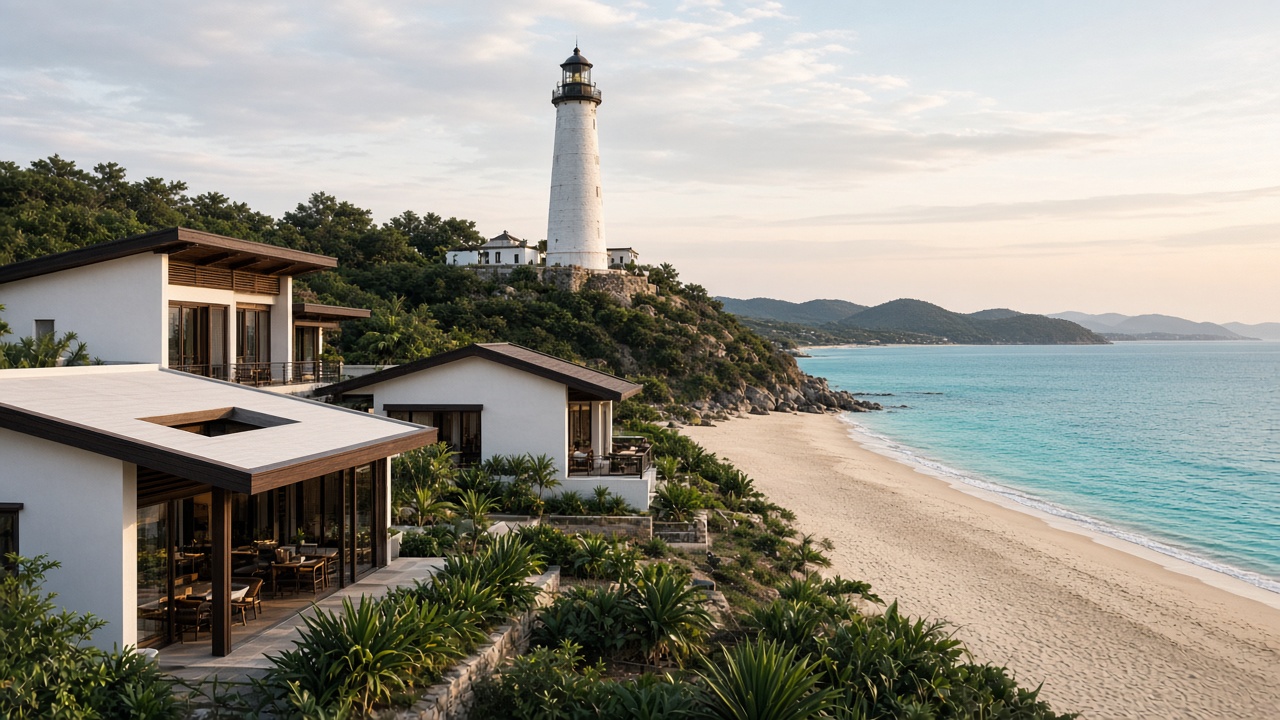
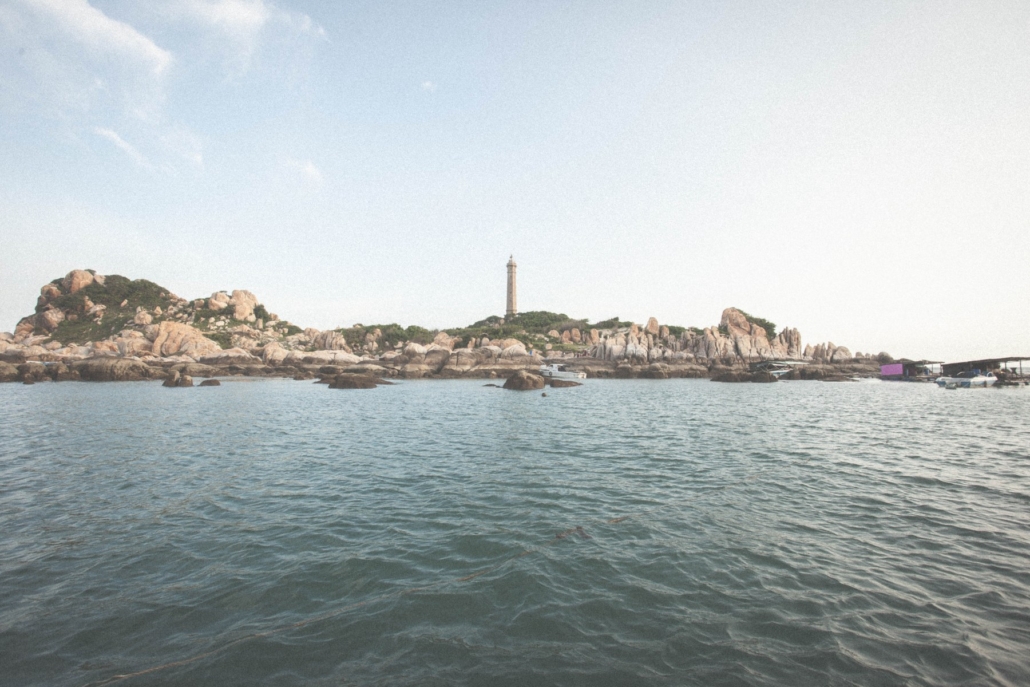
Few beach resorts come with a better view to wake up to. Azerai Ke Ga Bay sits in 4.5 hectares of gardens on a sweeping five-kilometre white-sand beach. On one side, a small island carries the historic Ke Ga lighthouse, built under French colonial rule at the turn of the 20th century. On the other, sand dunes rise towards the sun. Banyan trees, palms, heliconia and ginger fill the grounds, and the palette inside and out takes its cue from local sand and granite.
The resort is the work of Adrian Zecha, the hotelier who founded Aman Resorts with Amanpuri in 1988. He named Azerai after his own initials and a Persian word, and launched it as a small Vietnamese brand built on “simple elegance” and immersion in place. Ke Ga Bay opened on the site of an earlier resort after an extensive renovation, and became the brand’s first beach property. Zecha has said it offers “a location that’s close enough to be easily accessible but far enough away to offer real privacy and escape”. Zecha has described the appeal simply: “panoramic ocean views, lush ginger gardens with tropical trees and flowers, and a location that’s close enough to be easily accessible but far enough away to offer real privacy and escape.” The MICHELIN Guide awarded it One Key in 2025 and renewed it in 2026.
The rooms & villas
Rooms are pavilions that open onto garden terraces, in muted whites and granite tones warmed by rich timber, designed to give every guest a degree of privacy. The 36 Deluxe Suites, all 65 square metres, look over the gardens or, in 16 cases, over the pools. Banyan trees, ginger and heliconia frame the views.
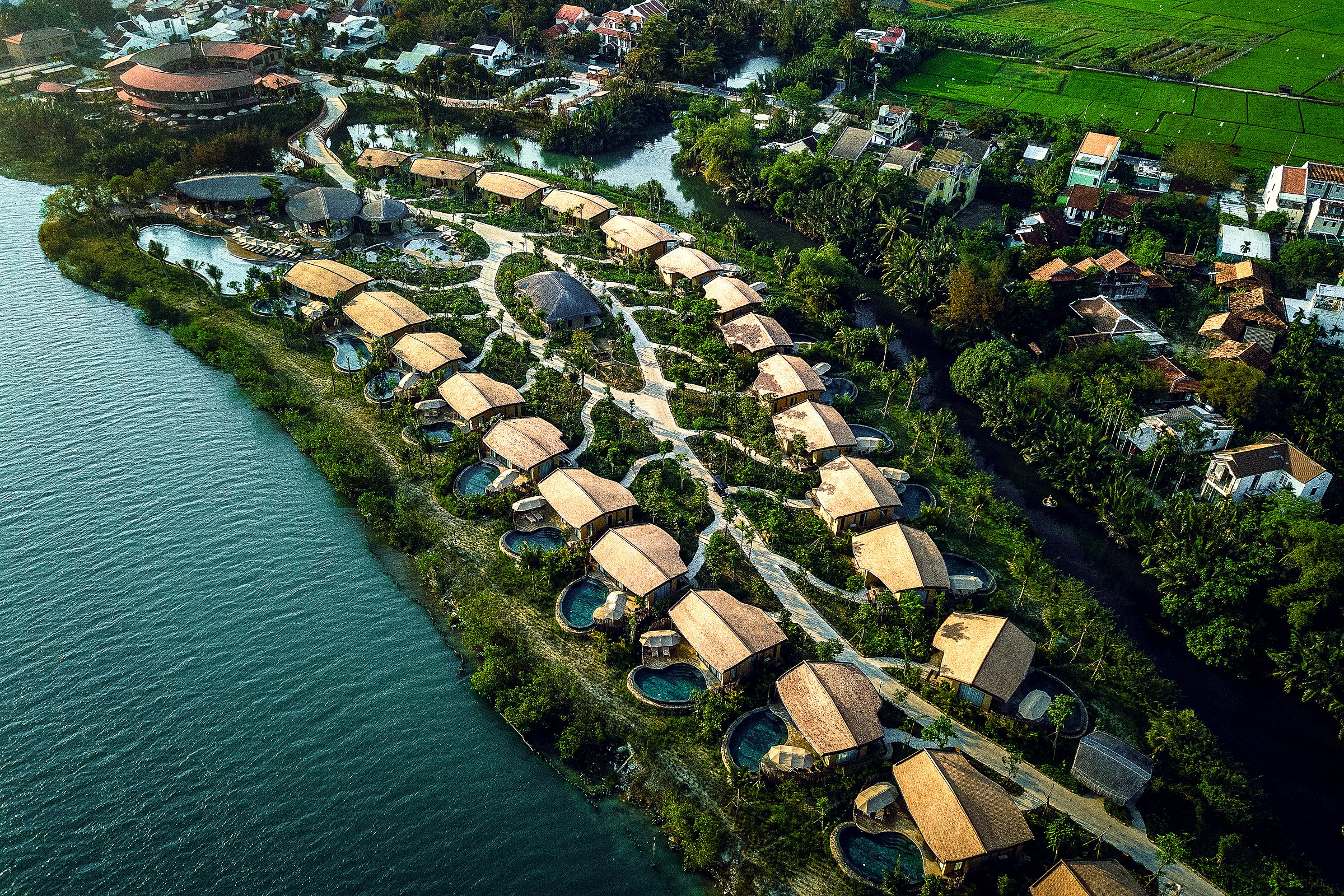
For more space and privacy, the villas come with pools in private courtyards. The 15 Pool Villas measure 130 square metres, and the three Pool Deluxe Villas 145 square metres; both have a soaking tub in a large bathroom. At the top of the range, three two-storey Ke Ga Bay Villas of 185 square metres have an eight-by-four-metre private pool, a master bedroom upstairs with glimpses of the ocean, and a second bedroom below.
The pools set the mood across the resort. The Oceanfront infinity pool runs to the horizon and has an ocean-facing sunken lounge for sundowners. The freeform Ginger Pool sits back in the gardens, and the two Frangipani Pools lie in a mirrored courtyard among the guest pavilions.
Eat & drink
The kitchen leans on the sea and on local ingredients. Every menu item is clearly labelled with dietary information, a thoughtful touch for anyone with allergies or preferences.
The Terrace is the favourite, an open-air restaurant facing Ke Ga Bay, with the lighthouse to one side and the sunset to the other. It serves breakfast, lunch and dinner, from traditional Southern Vietnamese dishes to familiar international plates. The Dining Room is the more formal, air-conditioned option, with contemporary timber interiors and menus built on fresh, locally sourced ingredients. The Living Room houses the cocktail bar. It is a relaxed space with sofas, tables for two and board games handcrafted by Vietnamese artisans, and it doubles as a cool retreat from the midday sun. Before dinner, the sunken lounge by the Oceanfront pool is the place for a drink.
The Terrace is the favourite, an open-air restaurant facing Ke Ga Bay, with the lighthouse to one side and the sunset to the other.
Wellness
The spa’s interiors are modern, but its treatments are grounded in Vietnamese healing techniques passed down through generations. Therapists consult with each guest before a treatment. The menu runs from deep-tissue to gentle massages, stone therapy, body scrubs and wraps (some using local green tea and rice), facials, hair treatments and hand and foot therapies. A steam room and sauna are complimentary, as are regular yoga and wellness sessions. There is also a gym.
Beyond the resort
The sea is the playground: basket boats, kayaks, a catamaran and paddleboards, plus beach volleyball, frisbee and sand soccer on the shore. Golfers can play the nearby PGA NovaWorld Phan Thiet course, where the fairways run close to the sea. Back at the resort, a boutique and a meeting room round out the facilities.
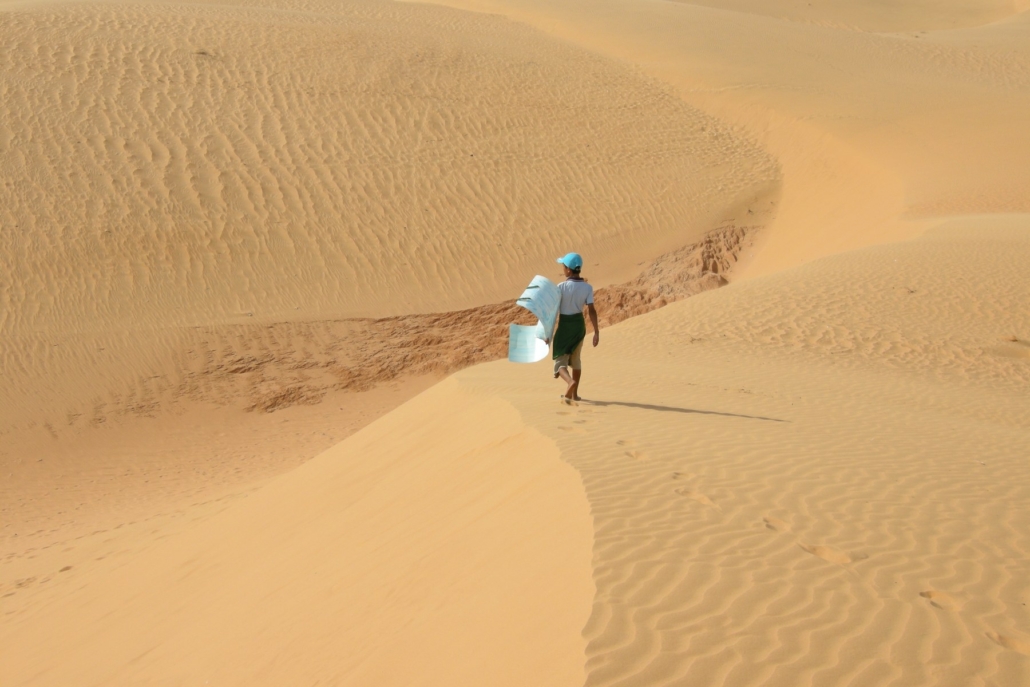
The resort’s tours lean into local life. The “Ke Ga Sunrise” experience visits a local fishing village at dawn. Others take in dragon fruit farms, salt fields and sand painting, or the reclining Buddha on Ta Cu Mountain, reached on foot or by cable car. Cooking classes and a chance to fish like a local are also on offer. Further up the coast, beyond the fishing town of Phan Thiet, Mui Ne is known for its sweeping sand dunes and its kitesurfing, and makes an easy half-day outing.
When to go
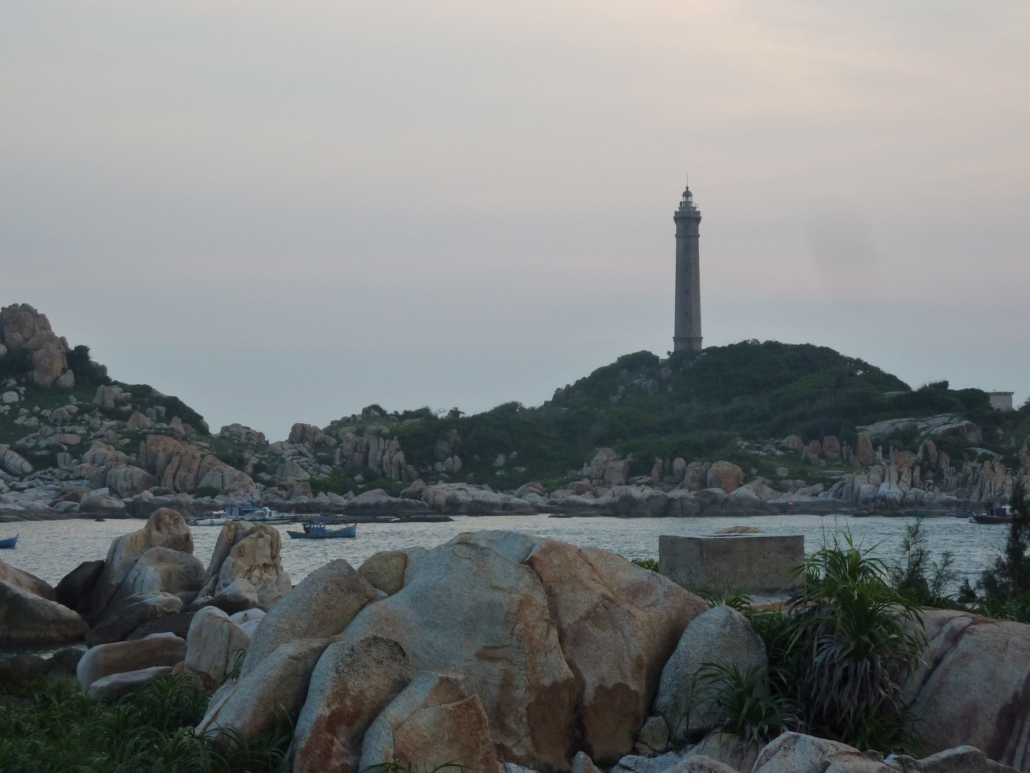
This stretch of coast is among the drier parts of Vietnam. The dry season runs roughly from December to April, bringing reliable sunshine and the clearest skies over Ke Ga’s lighthouse. From about November to March, steady winds sweep this coast, which is why nearby Mui Ne is popular with kitesurfers. The rainy season, roughly May to October, typically brings short tropical downpours rather than days of rain, and it is quieter and greener. Tet, the Lunar New Year in late January or February, is festive but one of the busiest travel periods in Vietnam, so book early.
Who it’s for
Azerai Ke Ga Bay is for travellers who want a beach that feels unhurried: couples, friends travelling together and families who appreciate space, a junior zone for children, and dining that never feels showy. It works especially well as a coastal coda to Ho Chi Minh City, close enough to reach by road in an afternoon.
It is not a party beach, and there is little within walking distance beyond the bay itself. For the kind of guest who packs a stack of novels, that is the attraction.
This guide was researched independently from published sources; Cosmopolitan Courier was not compensated.