The signal is clear through the noise: Tesla is moving faster on software and pricing than on product variety, while its charging strategy looks less settled than it once did. If you buy vehicles for work, run a fleet, own property with chargers or partner in energy, the next year is about timing, hedging and paperwork more than hype.
The latest shifts
Pricing gets tactical
List prices and promotions have been changing frequently across key models. That kind of movement supports volume but plays havoc with residuals. If you bought recently, the used value picture likely softened. If you are about to buy, you have leverage but also uncertainty about where the floor sits.
Software takes the front seat
Tesla is pushing driver-assistance as a software product with more frequent updates and a bigger pitch for subscriptions. The company continues to lean on cameras and neural networks rather than mixing sensors. Expect capability to ebb and flow with updates and regulatory direction, not just hardware releases.
Charging strategy looks unsettled
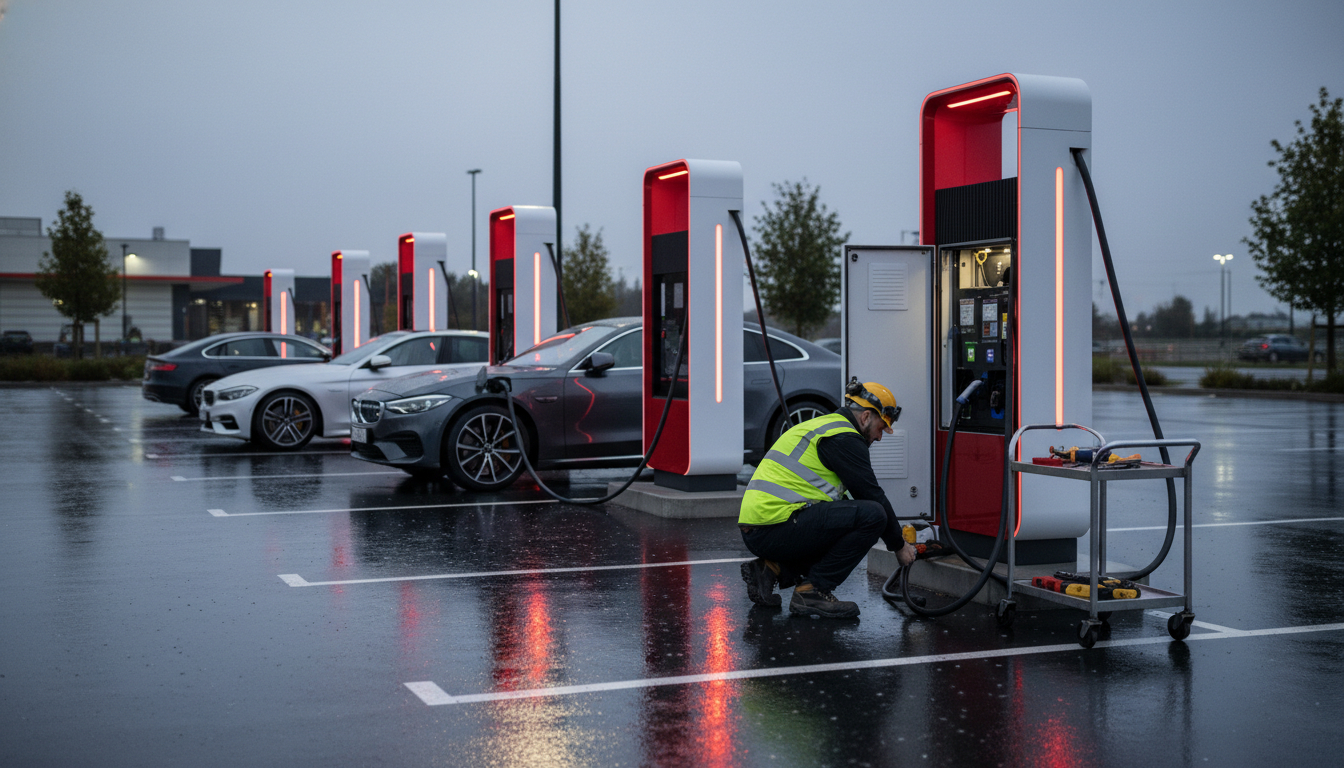
The Supercharger network remains an asset, yet staffing changes and shifting plans have created doubt about rollout pace and third-party access. In some regions, non-Tesla access has expanded. In others, timelines feel opaque. If your operation depends on public fast charging, you should plan for variability, not certainty, over the next cycle.
What this means for buyers and fleets
The headline attraction remains: strong efficiency, broad service coverage in major metros, and over-the-air updates that reduce workshop time. The risks are around price volatility, residuals and feature stability.
- Budget for depreciation shocks. Rapid price moves can drag used values. Structure leases with realistic residuals and review them more often than you would for ICE vehicles.
- Lock contracts, not promises. Push for written price protection between order and delivery, and confirm what happens if the list price falls before handover.
- Treat autonomy as software. Separate the driver-assistance package from the vehicle in your approval process. Trial it on a subset of drivers, track incident reports and productivity gains, then scale if the data justifies it.
- Manage driver expectations. Features can change after an update. Bake update windows into usage schedules and communicate what might shift.
- Double-check service logistics. Map where your vehicles will actually live and work, then confirm mobile service and workshop lead times in those postcodes.
Implications for property and infrastructure
If you own or operate sites, your charging plan needs flexibility. Connector standards are consolidating in some markets and diverging in others. Public fast-charging availability is uneven. Power costs are rising in many areas at peak times.
- Install dual-standard or easily swappable connector hardware where possible. Avoid tying an entire site to a single ecosystem.
- Prioritise load management. Choose chargers that integrate with building energy systems and can throttle by tariff, demand response or solar output.
- Design for queueing, not just kilowatts. Good lighting, marked bays and clear sightlines reduce friction at busy periods.
- Have a maintenance plan. Budget for routine checks, spare parts and remote monitoring. Public confidence drops fast if stalls are down.
For investors and partners
Tesla’s narrative is tilting toward software and energy. Vehicle margins will continue to feel the effects of pricing moves. The energy storage and virtual power angles are gaining attention as grid volatility and peak pricing spread.
- Expect uneven quarters. Delivery swings and recall headlines can whipsaw sentiment. Focus on execution signals rather than social noise.
- Watch the charging business model. Third-party access terms, site ownership and revenue share will shape the network’s economics.
- Track regulatory posture on driver assistance. Language matters. A supportive tone enables faster feature rollout. A cautious tone slows it and shifts liability.
Practical moves to make this quarter
- Reprice your EV fleet plan. Re-run total cost of ownership with softer residuals and current electricity tariffs, not last year’s assumptions.
- Negotiate update clauses. In procurement agreements, add language on feature changes, data access and notice periods for material software alterations.
- Pilot autonomy on defined routes. Choose predictable corridors, document baseline driver time and fatigue, then measure if the software moves the needle.
- Hedge your charging. Split between home, depot and public fast charging. Secure overnight capacity first. Treat public fast charging as overflow, not the backbone.
- Strengthen driver onboarding. Short, repeatable modules on charging etiquette, range planning and update prompts reduce support tickets.
Key signals to watch next
- Quarterly deliveries and any change in model mix. It shows where demand is firming or softening.
- Recall cadence and software patch notes. They reveal the maturity of driver-assistance features and the company’s regulatory relationship.
- Clarity on Supercharger access and expansion. Look for firm site commitments, not just targets.
- Used EV pricing trends. If wholesale prices stabilise, procurement risk eases.
- Policy shifts on incentives and road-user charges in your state. Small changes can swing whole-life cost.
The takeaway is simple. Treat Tesla like a fast-moving software-led manufacturer. Buy with flexible terms, separate hardware from software in your budgeting, and keep your charging plan adaptable. The rewards are still there for disciplined operators who manage timing and risk with a cool head.