
Posts

Wool’s Renaissance: From Farm to Fashion and Beyond

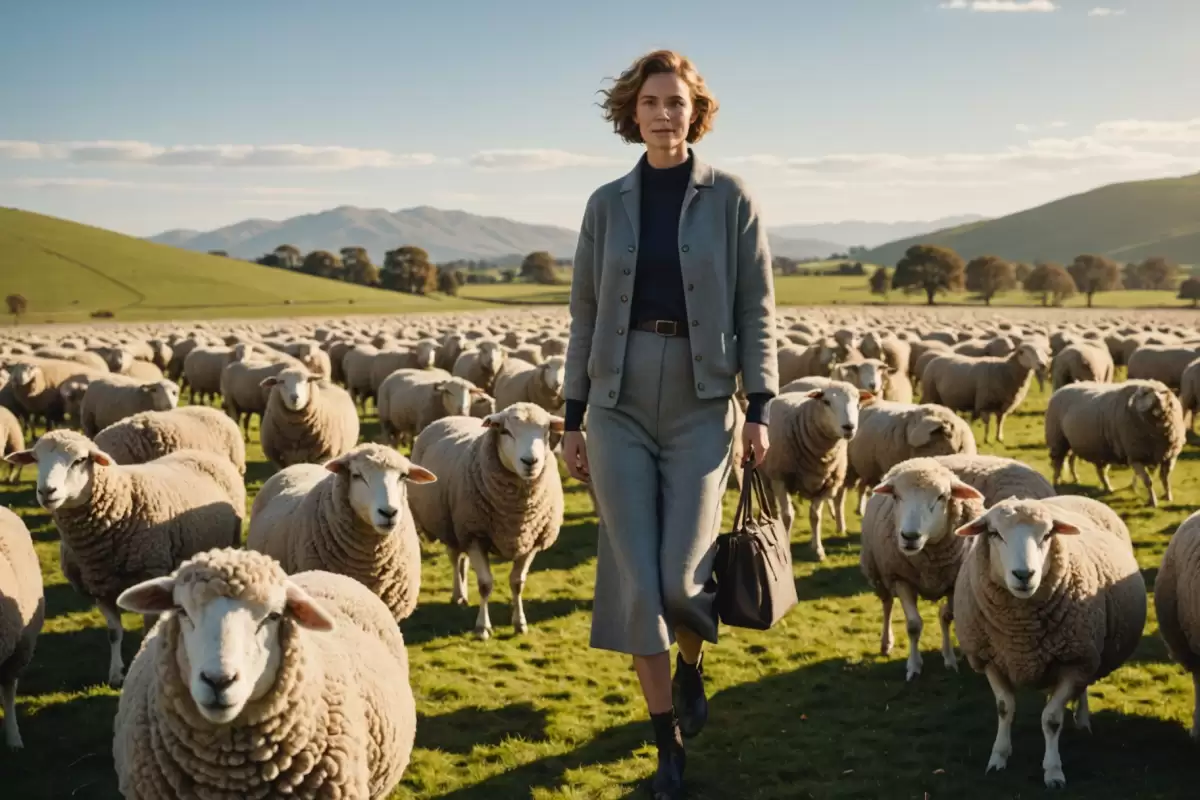
Wool, the timeless fabric that has clothed humanity for centuries, is experiencing a renaissance. From the runways of Paris to the streets of Sydney, this versatile material is making a bold statement. But behind every luxurious wool garment lies a meticulous process that transforms raw fleece into the elegant pieces we adore. Ever wondered what it takes to ensure that the wool in your favorite sweater meets the highest standards? Let’s unravel the journey of wool from farm to fashion, and discover how innovation and tradition are weaving a new narrative for this age-old industry.

The Art of Wool Selection

Selecting the right wool is akin to choosing the perfect wine; it requires a discerning eye and a deep understanding of quality. Wool growers are the unsung heroes in this story, dedicating their lives to nurturing sheep that produce the finest fleece. The process begins with identifying sheep breeds known for their superior wool, such as Merino, which is prized for its softness and durability. But it’s not just about the breed; environmental factors, nutrition, and care all play pivotal roles in determining wool quality. Growers must balance these elements, ensuring their flocks are healthy and their fleece is flawless.

From Fleece to Fabric: The Transformation

Once the wool is shorn, the transformation begins. This is where the magic happens—turning raw fleece into a material that designers covet. The wool undergoes several stages of processing, including washing, carding, and spinning. Each step is crucial in maintaining the integrity of the fibers. Modern technology has revolutionized this process, allowing for greater precision and efficiency. Yet, there remains a touch of artistry in how the wool is handled, ensuring that each strand retains its natural luster and strength.

Embracing Sustainability in Wool Production

In today’s eco-conscious world, sustainability isn’t just a buzzword; it’s a necessity. The wool industry is no exception. From reducing water usage in processing to adopting ethical farming practices, there’s a concerted effort to minimize environmental impact. Innovative techniques, such as regenerative agriculture, are being employed to enhance soil health and biodiversity. This not only benefits the planet but also improves the quality of the wool. By choosing sustainable practices, the wool industry is setting a standard for other sectors to follow.

The Role of Innovation in Wool Fashion

Fashion is ever-evolving, and wool is at the forefront of this evolution. Designers are pushing the boundaries, experimenting with new textures, colors, and blends. The result? Wool garments that are not only stylish but also functional. Think lightweight wool suits that breathe in summer or waterproof wool coats that shield against winter’s chill. This fusion of innovation and tradition is what makes wool a perennial favorite in the fashion world.

Connecting Tradition with Modernity

For those intrigued by the intricacies of wool preparation, Lana’s blog post, Wool Clip Preparation Guide for Australian Wool Growers, offers a deep dive into the traditional methods and modern techniques used by Australian wool growers. It’s a fascinating read that complements our exploration of wool’s journey, providing practical insights for those interested in the behind-the-scenes work that goes into creating high-quality wool products.

The Future of Wool: A Fabric for All Seasons

As we look to the future, wool’s versatility ensures it will remain a staple in our wardrobes. With advancements in technology and a commitment to sustainability, the possibilities are endless. Whether it’s a cozy sweater for a winter evening or a chic dress for a summer outing, wool continues to adapt and inspire. So next time you slip into a wool garment, take a moment to appreciate the journey it has taken—from the pastoral landscapes of Australia to the bustling streets of the fashion capitals.

For those eager to learn more about sustainable practices in the wool industry, the IWTO’s website offers a wealth of information on how wool is leading the charge in eco-friendly fashion.
Weaving Innovation: The Wool Industry’s Blend of Tradition, Technology, and Sustainability

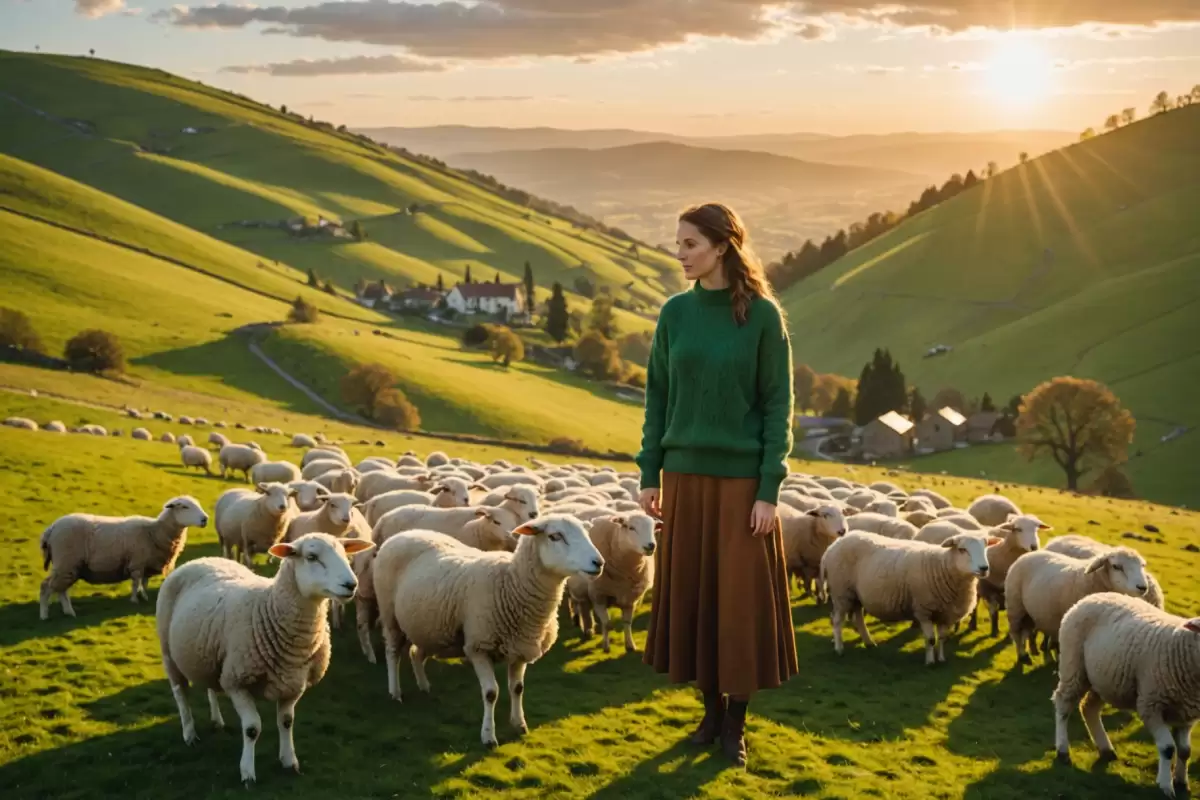
The wool industry, often overshadowed by flashier sectors, is a treasure trove of innovation and tradition. It’s a world where ancient practices meet cutting-edge technology, and the result is nothing short of fascinating. Imagine a realm where the gentle bleat of sheep echoes across vast landscapes, and the soft, luxurious feel of wool is just the beginning of a journey that blends art, science, and sustainability. Whether you’re a fashionista with an eye for eco-friendly textiles or a business guru looking for a niche market, the wool industry offers a myriad of opportunities that are as diverse as they are rewarding.

The Art of Wool: From Tradition to Innovation

Wool has been a staple of human civilization for centuries, but the industry is anything but outdated. Today, it’s a dynamic sector that marries tradition with innovation. The art of wool is not just about producing yarn; it’s about crafting a story. From the meticulous breeding of sheep to the sophisticated techniques used in processing, every step is a testament to human ingenuity and dedication. The industry is constantly evolving, with new technologies and methods being developed to enhance the quality and sustainability of wool products. It’s a dance between the past and the future, where artisans and scientists work hand in hand to create something truly extraordinary.

The Role of Technology in Modern Wool Production

In an era where technology is king, the wool industry is no exception. Advanced machinery and digital tools have revolutionized the way wool is produced and processed. From automated shearing machines that ensure the safety and comfort of sheep to sophisticated software that tracks and analyzes market trends, technology is at the forefront of modern wool production. This not only increases efficiency but also opens up new career paths for tech-savvy individuals who are eager to make their mark in a traditional industry. It’s a perfect blend of old-world charm and modern innovation, offering a unique and exciting career landscape.

Sustainability: The Heart of the Wool Industry

Sustainability is more than just a buzzword in the wool industry; it’s a way of life. As consumers become more conscious of their environmental footprint, the demand for sustainable products has skyrocketed. The wool industry has risen to the challenge, implementing eco-friendly practices at every stage of production. From ethical farming techniques that prioritize animal welfare to processing methods that minimize environmental impact, sustainability is woven into the very fabric of the industry. It’s a movement that not only benefits the planet but also resonates with consumers who value transparency and responsibility.

The Human Element: Building Connections in the Wool Industry

At its core, the wool industry is about people. It’s about the relationships that are built between farmers, processors, designers, and consumers. These connections are the lifeblood of the industry, fostering collaboration and innovation. Whether it’s a farmer working closely with a designer to create a new line of sustainable fashion or a marketer engaging with consumers to educate them about the benefits of wool, the human element is what makes the industry thrive. It’s a community that values trust, respect, and shared goals, creating a supportive environment where everyone can succeed.

For those intrigued by the diverse opportunities within the wool industry, Lana’s insightful article, Exploring Diverse Careers in the Wool Industry: From Farm to Fashion, offers a deeper dive into the myriad roles available. From hands-on positions like shearing and wool classing to technical roles in processing and quality control, the article highlights the essential contributions each role makes in bringing high-quality wool products to market. It’s a must-read for anyone considering a career in this dynamic sector.

Overcoming Challenges: The Future of the Wool Industry

Like any industry, the wool sector faces its share of challenges. Market fluctuations, climate change, and shifting consumer demands all pose significant hurdles. However, these challenges also present opportunities for growth and innovation. The industry is constantly adapting, finding new ways to overcome obstacles and seize opportunities. It’s a testament to the resilience and creativity of those who work in the wool industry, proving that with the right mindset and a little ingenuity, anything is possible.

In conclusion, the wool industry is a vibrant and dynamic field that offers a wealth of opportunities for those willing to explore its depths. Whether you’re drawn to the artistry of wool production, the cutting-edge technology, or the commitment to sustainability, there’s a place for you in this fascinating sector. For more insights into sustainable practices in the wool industry, check out the International Wool Textile Organisation for additional reading.

From Sheep to Chic: The Sustainable Journey of Australian Wool in Fashion

Imagine walking into a bustling marketplace, where the air is filled with the rich scent of freshly spun wool, and the vibrant colors of textiles dazzle the eye. This is not just any marketplace—this is the heart of the Australian wool industry, a world where tradition meets innovation, and sustainability is no longer just a buzzword but a way of life. As fashion and lifestyle enthusiasts, we often overlook the journey of the materials that make up our beloved garments. But understanding this journey can transform the way we perceive fashion, adding depth to our appreciation of the craft. So, let’s embark on a journey through the wool supply chain, exploring how this humble fiber becomes a cornerstone of luxury fashion.

The Journey from Sheep to Chic

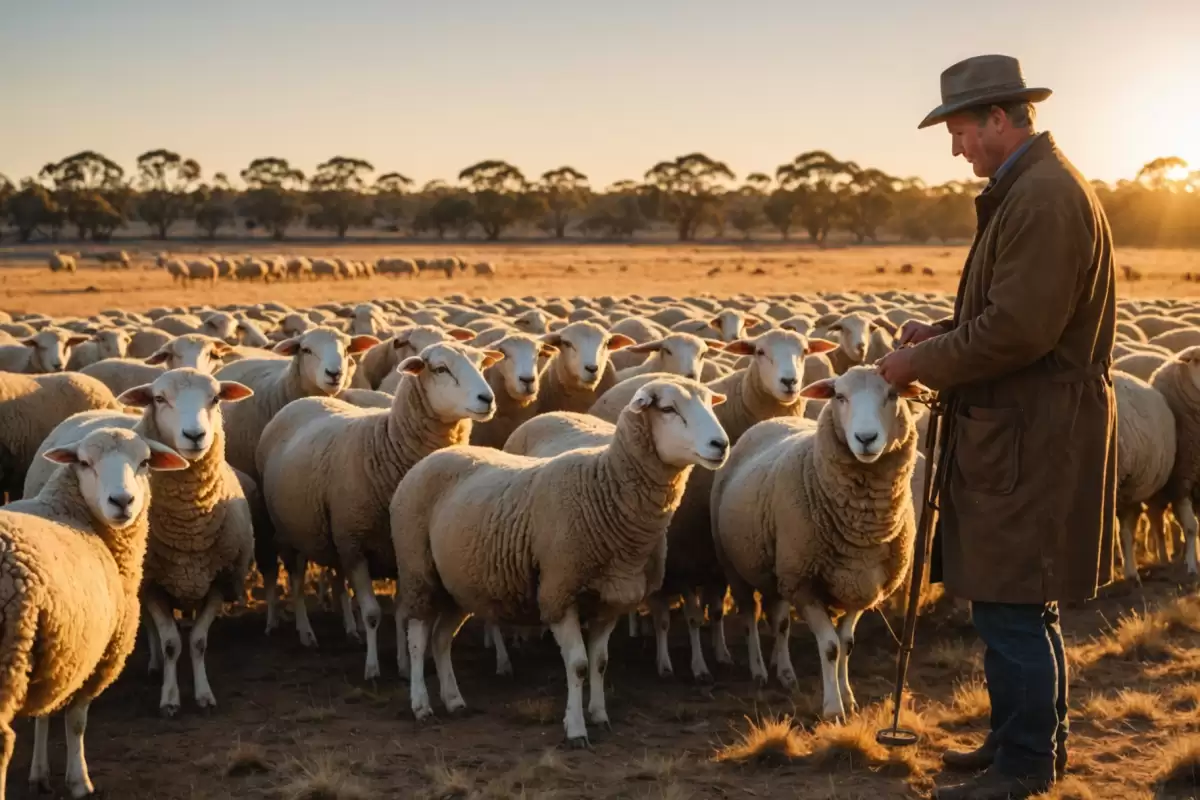
The story of Australian wool begins in the vast, open landscapes of the Outback, where Merino sheep graze under the watchful eyes of dedicated farmers. These sheep are the unsung heroes of the fashion world, producing wool that is both incredibly soft and remarkably durable. But how does this raw material transform into the luxurious fabrics we adore? It’s a process that involves meticulous care and expertise, from shearing to spinning, and finally, weaving into the textiles that grace the runways.

The Art of Shearing

Shearing is the first critical step in the wool supply chain. It’s an art form that requires skill and precision, ensuring the sheep are unharmed and the wool remains intact. This annual ritual is not just about harvesting wool; it’s about maintaining the health and well-being of the sheep. The wool is then sorted and graded based on its quality, setting the stage for its transformation.

Spinning and Weaving: Crafting the Fabric

Once sorted, the wool undergoes a series of processes to become yarn. Spinning is where the magic happens, turning raw fibers into threads that are ready to be woven into fabric. Weaving, in turn, is a dance of threads, creating patterns and textures that are as diverse as the landscapes from which they originate. It’s here that the wool’s journey from the pastoral fields to the fashion capitals of the world truly takes shape.

Sustainability: The New Standard in Wool Production

In today’s world, sustainability is more than a trend—it’s a necessity. The wool industry in Australia is leading the charge, embracing practices that protect the environment and ensure the welfare of animals. From responsible land management to ethical shearing practices, sustainability is woven into the very fabric of wool production. This commitment not only preserves the planet but also enhances the quality of the wool, making it a preferred choice for eco-conscious designers and consumers alike.

Embracing Ethical Practices

Sustainable wool production is about more than just environmental impact; it’s also about ethical treatment. Australian wool growers are increasingly adopting practices that prioritize animal welfare, ensuring that sheep are treated with care and respect. This ethical approach resonates with consumers who seek transparency and integrity in the products they purchase.

The Future of Wool in Fashion

As we look to the future, wool continues to play a pivotal role in fashion. Its versatility and sustainability make it an ideal choice for designers who are pushing the boundaries of creativity. From high-fashion runways to everyday wear, wool’s adaptability ensures it remains a staple in wardrobes around the world.

Innovations in Wool Technology

Innovation is driving the wool industry forward, with new technologies enhancing the fiber’s natural properties. From moisture-wicking capabilities to advanced dyeing techniques, these innovations are expanding the possibilities for wool in fashion. It’s an exciting time for designers and consumers alike, as wool continues to evolve and inspire.

For those intrigued by the intricacies of sourcing this luxurious fiber, Lana’s blog post, Australian Wool Suppliers: Navigating the Market for Your Mill’s Success, offers a deep dive into the complexities of the wool market. It’s a must-read for anyone interested in understanding how to find the right partners in this thriving industry.

In the world of fashion, the journey of a garment is as important as the garment itself. By embracing the stories behind the materials, we enrich our connection to the clothes we wear. For more insights into sustainable fashion practices and the future of textiles, check out Fashion Revolution, a global movement advocating for greater transparency in the fashion industry.