Posts

Sustainable Wool: Fashion’s Timeless Revolution for a Greener Future

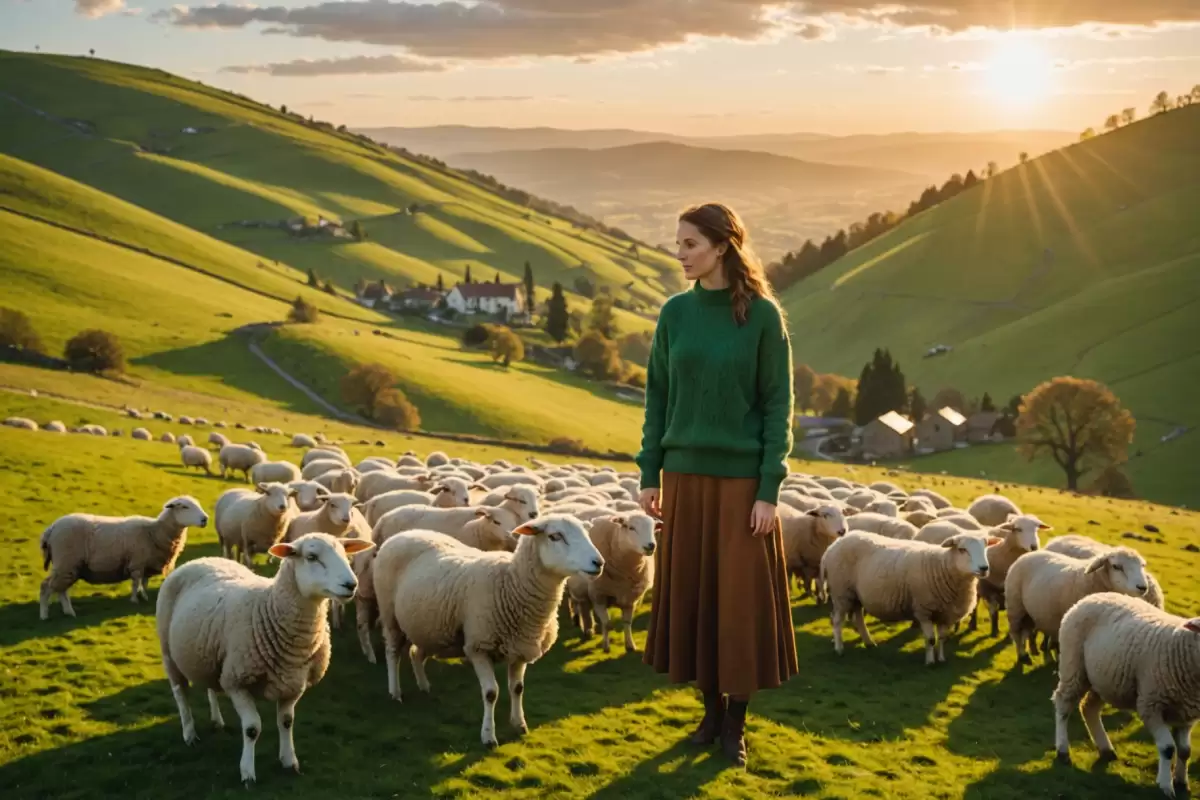
In the bustling world of fashion, where trends come and go faster than you can say “haute couture,” there’s a quiet revolution taking place. It’s not about the latest color palette or the must-have accessory of the season. Instead, it’s about something far more enduring: sustainability. And at the heart of this movement is a material as old as time itself—wool. But not just any wool; we’re talking about sustainable wool, a game-changer for Australia’s textile industry and beyond. So, why should you care? Because this isn’t just about fashion; it’s about the future of our planet and how we can dress it up in style.

The Timeless Appeal of Wool

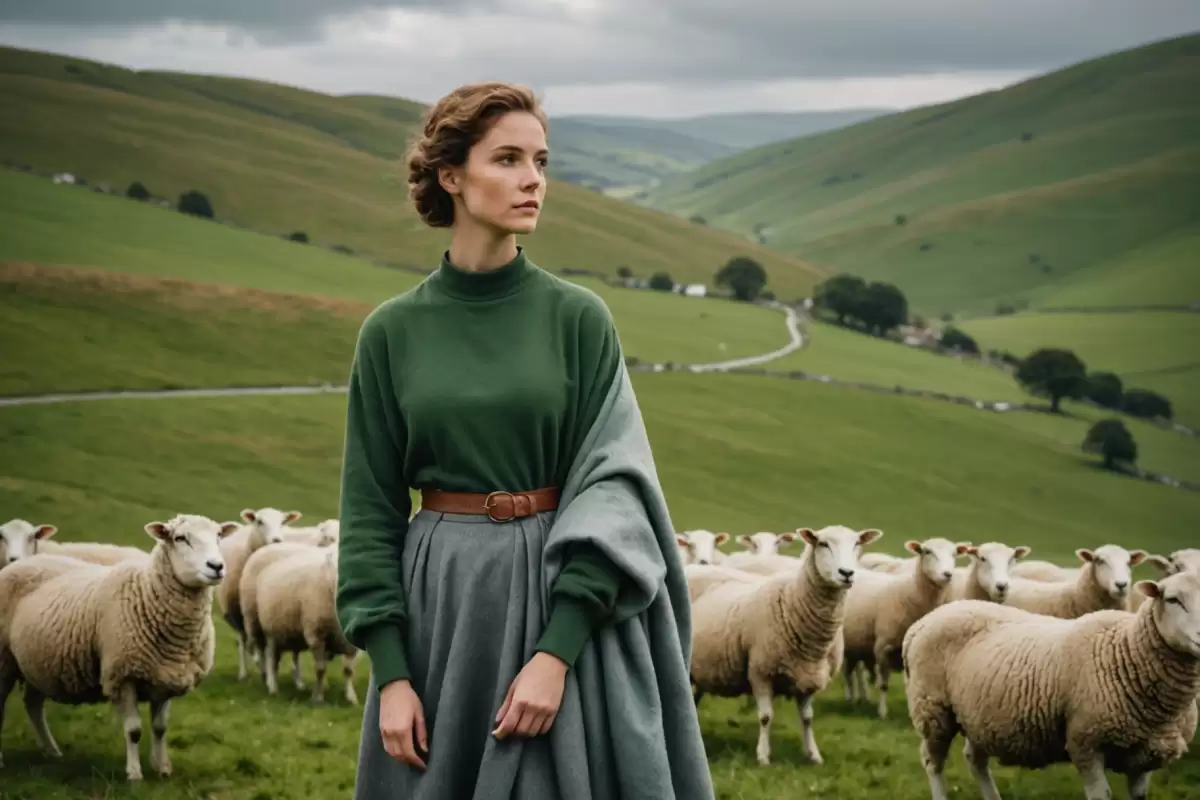
Wool has been a staple in the textile industry for centuries. Its natural properties—breathability, durability, and warmth—make it a favorite among designers and consumers alike. But as we become more conscious of our environmental footprint, the way we produce and consume wool is under the spotlight. Enter sustainable wool, which promises all the benefits of traditional wool, but with a much lighter impact on our planet. It’s like your favorite sweater, but with a conscience.

From Farm to Fashion

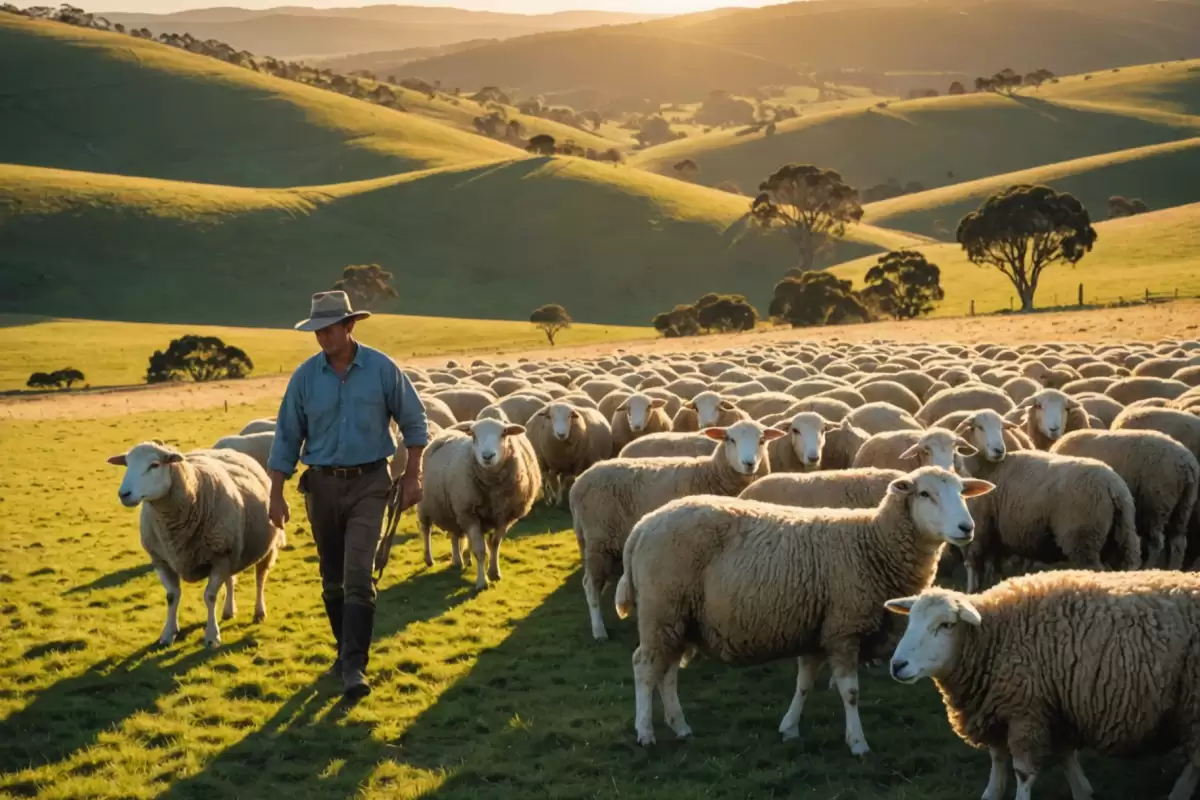
The journey of sustainable wool begins on the farm, where sheep are raised with care and respect. This means no harmful chemicals, no overgrazing, and a commitment to animal welfare. It’s about creating a harmonious relationship between the land, the animals, and the people who tend to them. And the best part? This approach doesn’t just benefit the environment; it also results in higher-quality wool. It’s a win-win situation that proves you don’t have to sacrifice ethics for excellence.

The Role of Innovation

Innovation is at the core of the sustainable wool movement. From advanced farming techniques that reduce water usage to cutting-edge processing methods that minimize waste, the industry is constantly evolving. And it’s not just about technology; it’s about rethinking our approach to fashion. By embracing a circular economy, where materials are reused and recycled, we can create a more sustainable future. It’s about turning the old adage “out with the old, in with the new” on its head.

A New Era for Designers

For designers, sustainable wool offers a wealth of opportunities. It’s a chance to create collections that are not only beautiful but also meaningful. By choosing sustainable materials, designers can tell a story that resonates with consumers who are increasingly looking for products that align with their values. It’s about creating fashion with a purpose, where every piece has a story to tell.

The Consumer Connection

As consumers, we hold the power to drive change. By choosing sustainable wool products, we can support ethical practices and contribute to a more sustainable future. It’s about making informed choices and understanding the impact of our purchases. And let’s be honest, who doesn’t love the idea of wearing something that looks good and does good?

The Power of Partnership

Collaboration is key to the success of the sustainable wool industry. By working together, farmers, processors, designers, and consumers can create a more sustainable future. It’s about building partnerships based on trust, transparency, and shared values. And isn’t it more fun to be part of a community that shares your vision for a better world?

Exploring Further

If you’re intrigued by the potential of sustainable wool and want to explore how it’s transforming Australia’s textile industry, you might want to check out Lana’s insightful blog post on the topic. They delve into the specifics of how sustainable practices are reshaping the industry and offer practical advice for those looking to make a difference. It’s a must-read for anyone passionate about fashion and sustainability. Read more about how sustainable wool is transforming Australia’s textile industry for a greener future.

A Call to Action

So, what’s next? It’s time to take action. Whether you’re a designer, a consumer, or just someone who loves a good wool sweater, there’s a role for you in this movement. Let’s embrace sustainable practices and create a future where fashion and the environment go hand in hand. And for those keen to dive deeper into the world of sustainable fashion, the Fashion Revolution website offers a wealth of resources and inspiration. Let’s make a difference, one woolly step at a time.
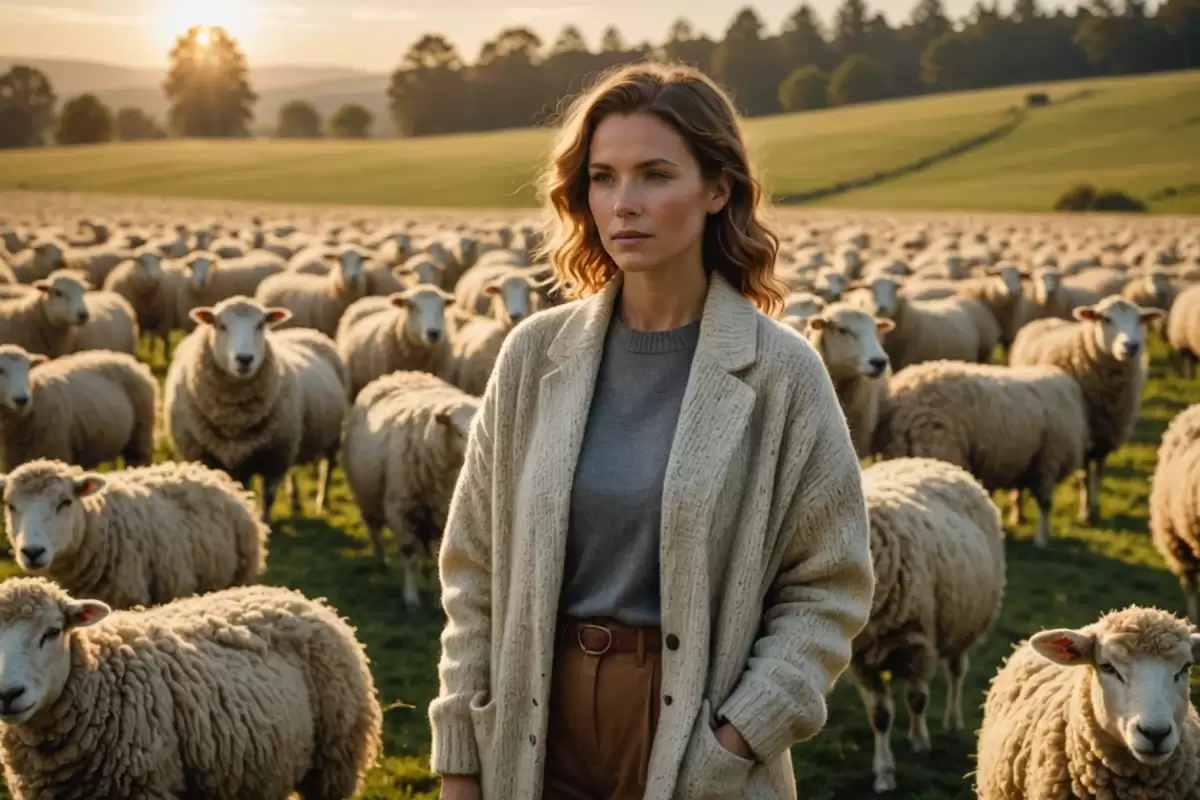
Wool’s Renaissance: From Farm to Fashion and Beyond

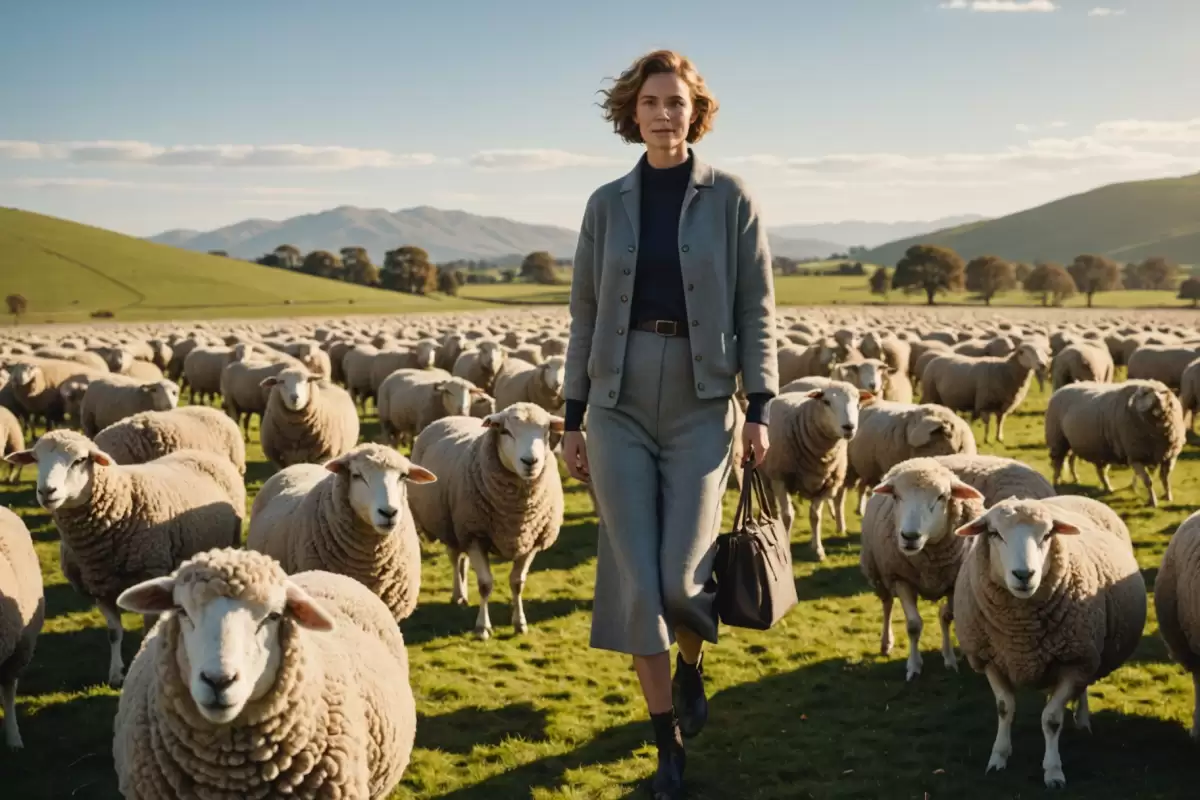
Wool, the timeless fabric that has clothed humanity for centuries, is experiencing a renaissance. From the runways of Paris to the streets of Sydney, this versatile material is making a bold statement. But behind every luxurious wool garment lies a meticulous process that transforms raw fleece into the elegant pieces we adore. Ever wondered what it takes to ensure that the wool in your favorite sweater meets the highest standards? Let’s unravel the journey of wool from farm to fashion, and discover how innovation and tradition are weaving a new narrative for this age-old industry.

The Art of Wool Selection

Selecting the right wool is akin to choosing the perfect wine; it requires a discerning eye and a deep understanding of quality. Wool growers are the unsung heroes in this story, dedicating their lives to nurturing sheep that produce the finest fleece. The process begins with identifying sheep breeds known for their superior wool, such as Merino, which is prized for its softness and durability. But it’s not just about the breed; environmental factors, nutrition, and care all play pivotal roles in determining wool quality. Growers must balance these elements, ensuring their flocks are healthy and their fleece is flawless.

From Fleece to Fabric: The Transformation

Once the wool is shorn, the transformation begins. This is where the magic happens—turning raw fleece into a material that designers covet. The wool undergoes several stages of processing, including washing, carding, and spinning. Each step is crucial in maintaining the integrity of the fibers. Modern technology has revolutionized this process, allowing for greater precision and efficiency. Yet, there remains a touch of artistry in how the wool is handled, ensuring that each strand retains its natural luster and strength.

Embracing Sustainability in Wool Production

In today’s eco-conscious world, sustainability isn’t just a buzzword; it’s a necessity. The wool industry is no exception. From reducing water usage in processing to adopting ethical farming practices, there’s a concerted effort to minimize environmental impact. Innovative techniques, such as regenerative agriculture, are being employed to enhance soil health and biodiversity. This not only benefits the planet but also improves the quality of the wool. By choosing sustainable practices, the wool industry is setting a standard for other sectors to follow.

The Role of Innovation in Wool Fashion

Fashion is ever-evolving, and wool is at the forefront of this evolution. Designers are pushing the boundaries, experimenting with new textures, colors, and blends. The result? Wool garments that are not only stylish but also functional. Think lightweight wool suits that breathe in summer or waterproof wool coats that shield against winter’s chill. This fusion of innovation and tradition is what makes wool a perennial favorite in the fashion world.

Connecting Tradition with Modernity

For those intrigued by the intricacies of wool preparation, Lana’s blog post, Wool Clip Preparation Guide for Australian Wool Growers, offers a deep dive into the traditional methods and modern techniques used by Australian wool growers. It’s a fascinating read that complements our exploration of wool’s journey, providing practical insights for those interested in the behind-the-scenes work that goes into creating high-quality wool products.

The Future of Wool: A Fabric for All Seasons

As we look to the future, wool’s versatility ensures it will remain a staple in our wardrobes. With advancements in technology and a commitment to sustainability, the possibilities are endless. Whether it’s a cozy sweater for a winter evening or a chic dress for a summer outing, wool continues to adapt and inspire. So next time you slip into a wool garment, take a moment to appreciate the journey it has taken—from the pastoral landscapes of Australia to the bustling streets of the fashion capitals.

For those eager to learn more about sustainable practices in the wool industry, the IWTO’s website offers a wealth of information on how wool is leading the charge in eco-friendly fashion.

Weaving Innovation and Sustainability: The Future of Wool

In the ever-evolving world of fashion and textiles, where trends shift with the seasons and consumer demands are as unpredictable as the weather, one thing remains constant: the need for stability. For those in the wool industry, this stability often comes in the form of forward-thinking strategies that ensure both quality and consistency. But what if I told you that the future of wool isn’t just about securing prices or managing risks? It’s about weaving a tapestry of innovation, sustainability, and collaboration that could redefine the industry as we know it. Intrigued? Let’s unravel this yarn together.

The Art of Sustainable Wool Production

Sustainability isn’t just a buzzword; it’s a necessity. The fashion industry, notorious for its environmental impact, is undergoing a transformation, and wool is at the forefront. Wool, a natural and biodegradable fiber, offers a sustainable alternative to synthetic materials. But the journey to sustainable wool production is more than just about the end product—it’s about the process.

Embracing Regenerative Agriculture

Regenerative agriculture is the new darling of sustainable farming practices, and it’s making waves in the wool industry. This method focuses on restoring soil health, increasing biodiversity, and improving water cycles. By adopting regenerative practices, wool growers are not only producing high-quality wool but also contributing to the health of the planet. Imagine a world where your favorite wool sweater is not just a fashion statement but a testament to environmental stewardship.

The Role of Technology in Wool Production

In an industry as traditional as wool, technology might seem like an unlikely ally. However, innovations like blockchain and AI are revolutionizing the way wool is tracked and traded. Blockchain, for instance, offers transparency and traceability, ensuring that every step of the wool production process is documented and verifiable. This level of transparency builds trust with consumers who are increasingly demanding to know the origins of their products.

Building Collaborative Networks

The wool industry thrives on relationships. From growers to processors to fashion designers, each link in the chain is crucial. But how do you foster these relationships in a way that benefits everyone involved?

Creating Synergistic Partnerships

Partnerships in the wool industry are evolving beyond mere transactions. They’re becoming synergistic collaborations where each party brings something valuable to the table. By working closely together, growers and processors can innovate, share resources, and ultimately produce a superior product. It’s about creating a win-win situation where everyone benefits, including the environment.

The Power of Community Engagement

Community engagement is another key aspect of building strong networks. Wool growers are increasingly engaging with local communities, sharing knowledge, and promoting sustainable practices. This not only strengthens local economies but also fosters a sense of community and shared purpose. After all, isn’t it more rewarding to wear a piece of clothing that tells a story of collaboration and community?

The Future of Wool: A New Narrative

As we look to the future, the narrative around wool is changing. It’s no longer just about producing a commodity; it’s about crafting a story of sustainability, innovation, and collaboration. This is where forward wool contracts come into play. These contracts, as detailed in Lana’s insightful blog post, offer a way to secure prices and manage risks, providing a foundation for long-term partnerships. Check out Lana’s blog post to explore how these contracts can benefit your business and help you build a sustainable future in the wool industry.

Conclusion: Weaving a Brighter Future

The wool industry stands at a crossroads, with the potential to lead the way in sustainable and innovative practices. By embracing regenerative agriculture, leveraging technology, and fostering collaborative networks, the industry can weave a brighter future for all. And if you’re curious to learn more about the intersection of fashion and sustainability, this resource offers a wealth of information and inspiration. So, next time you wrap yourself in a cozy wool scarf, remember the journey it took to get there—a journey of innovation, collaboration, and a commitment to a better world.

Weaving Innovation: The Wool Industry’s Blend of Tradition, Technology, and Sustainability

The wool industry, often overshadowed by flashier sectors, is a treasure trove of innovation and tradition. It’s a world where ancient practices meet cutting-edge technology, and the result is nothing short of fascinating. Imagine a realm where the gentle bleat of sheep echoes across vast landscapes, and the soft, luxurious feel of wool is just the beginning of a journey that blends art, science, and sustainability. Whether you’re a fashionista with an eye for eco-friendly textiles or a business guru looking for a niche market, the wool industry offers a myriad of opportunities that are as diverse as they are rewarding.

The Art of Wool: From Tradition to Innovation

Wool has been a staple of human civilization for centuries, but the industry is anything but outdated. Today, it’s a dynamic sector that marries tradition with innovation. The art of wool is not just about producing yarn; it’s about crafting a story. From the meticulous breeding of sheep to the sophisticated techniques used in processing, every step is a testament to human ingenuity and dedication. The industry is constantly evolving, with new technologies and methods being developed to enhance the quality and sustainability of wool products. It’s a dance between the past and the future, where artisans and scientists work hand in hand to create something truly extraordinary.

The Role of Technology in Modern Wool Production

In an era where technology is king, the wool industry is no exception. Advanced machinery and digital tools have revolutionized the way wool is produced and processed. From automated shearing machines that ensure the safety and comfort of sheep to sophisticated software that tracks and analyzes market trends, technology is at the forefront of modern wool production. This not only increases efficiency but also opens up new career paths for tech-savvy individuals who are eager to make their mark in a traditional industry. It’s a perfect blend of old-world charm and modern innovation, offering a unique and exciting career landscape.

Sustainability: The Heart of the Wool Industry

Sustainability is more than just a buzzword in the wool industry; it’s a way of life. As consumers become more conscious of their environmental footprint, the demand for sustainable products has skyrocketed. The wool industry has risen to the challenge, implementing eco-friendly practices at every stage of production. From ethical farming techniques that prioritize animal welfare to processing methods that minimize environmental impact, sustainability is woven into the very fabric of the industry. It’s a movement that not only benefits the planet but also resonates with consumers who value transparency and responsibility.

The Human Element: Building Connections in the Wool Industry

At its core, the wool industry is about people. It’s about the relationships that are built between farmers, processors, designers, and consumers. These connections are the lifeblood of the industry, fostering collaboration and innovation. Whether it’s a farmer working closely with a designer to create a new line of sustainable fashion or a marketer engaging with consumers to educate them about the benefits of wool, the human element is what makes the industry thrive. It’s a community that values trust, respect, and shared goals, creating a supportive environment where everyone can succeed.

For those intrigued by the diverse opportunities within the wool industry, Lana’s insightful article, Exploring Diverse Careers in the Wool Industry: From Farm to Fashion, offers a deeper dive into the myriad roles available. From hands-on positions like shearing and wool classing to technical roles in processing and quality control, the article highlights the essential contributions each role makes in bringing high-quality wool products to market. It’s a must-read for anyone considering a career in this dynamic sector.

Overcoming Challenges: The Future of the Wool Industry

Like any industry, the wool sector faces its share of challenges. Market fluctuations, climate change, and shifting consumer demands all pose significant hurdles. However, these challenges also present opportunities for growth and innovation. The industry is constantly adapting, finding new ways to overcome obstacles and seize opportunities. It’s a testament to the resilience and creativity of those who work in the wool industry, proving that with the right mindset and a little ingenuity, anything is possible.

In conclusion, the wool industry is a vibrant and dynamic field that offers a wealth of opportunities for those willing to explore its depths. Whether you’re drawn to the artistry of wool production, the cutting-edge technology, or the commitment to sustainability, there’s a place for you in this fascinating sector. For more insights into sustainable practices in the wool industry, check out the International Wool Textile Organisation for additional reading.

Wool’s Renaissance: Timeless Elegance Meets Sustainable Fashion

Imagine wrapping yourself in a garment that feels like a gentle embrace from nature itself. This isn’t just clothing; it’s a testament to centuries of craftsmanship and a commitment to sustainability. Wool, a fabric that has clothed humanity for millennia, is experiencing a renaissance in the luxury fashion world. But what is it about this timeless material that continues to captivate designers and consumers alike? It’s not just the warmth or the texture—it’s the story woven into every fiber, a narrative of tradition, innovation, and ethical responsibility. Let’s unravel the threads of why wool remains a cornerstone of luxury fashion, and how its journey from farm to runway is redefining what it means to wear a piece of history.

The Timeless Allure of Wool

Wool’s appeal lies in its paradoxical nature—it’s both ancient and modern, traditional yet innovative. This natural fiber has been cherished for its unique properties: it’s breathable, moisture-wicking, and surprisingly durable. But beyond its practical benefits, wool carries a rich cultural heritage. For centuries, it has been a symbol of elegance and sophistication, gracing the shoulders of royalty and the runways of fashion capitals. Today, as we navigate an era of fast fashion and fleeting trends, wool stands as a reminder of the enduring value of quality and craftsmanship.

A Canvas for Creativity

For designers, wool is more than just a fabric; it’s a canvas for creativity. Its versatility allows for endless experimentation, whether it’s crafting a lightweight summer dress or a luxurious winter coat. Wool can be dyed in a spectrum of colors, woven into intricate patterns, and tailored into silhouettes that flatter every figure. This adaptability is why top designers continue to choose wool for their collections, pushing the boundaries of fashion while staying rooted in tradition. Ever tried on a wool garment that felt like it was made just for you? That’s the magic of a material that adapts to both the wearer and the designer’s vision.

Sustainability: Fashion's New Frontier

In a world increasingly conscious of its environmental footprint, wool is leading the charge towards sustainable fashion. Unlike synthetic fibers, wool is biodegradable and renewable, making it a natural choice for eco-conscious designers and consumers. But sustainability in wool production goes beyond the material itself. It encompasses ethical farming practices, animal welfare, and transparent supply chains. By choosing wool, brands are not only making a fashion statement but a commitment to a more sustainable future.

The Role of Ethical Wool Producers

Ethical wool producers are at the forefront of this movement, championing practices that prioritize the well-being of both animals and the environment. These producers are redefining what it means to be a responsible member of the fashion industry, setting new standards for transparency and accountability. By partnering with these producers, luxury brands can assure their customers that their purchases are not only stylish but also ethically sound. Ever wondered where your favorite wool sweater comes from? Knowing its origin adds a layer of connection and responsibility to your wardrobe choices.

The Human Touch: Craftsmanship in Every Stitch

Wool’s journey from farm to fashion is a testament to the human touch. Each step of the process, from shearing to spinning to weaving, requires skill and dedication. This craftsmanship is what sets luxury wool garments apart, infusing them with a sense of artistry and authenticity. When you wear wool, you’re not just wearing a piece of clothing; you’re wearing the culmination of countless hours of labor and love. It’s a reminder of the artisans who have honed their craft over generations, preserving techniques that have stood the test of time.

Building Bridges: The Connection Between Producers and Brands

The relationship between wool producers and luxury brands is a partnership built on trust and mutual respect. It’s about more than just transactions; it’s about collaboration and shared values. Brands that choose to work with ethical wool suppliers are investing in long-term relationships that prioritize quality and sustainability. This synergy results in products that not only look good but feel good, knowing they’re part of a larger story of responsible fashion.

For those intrigued by the intricate world of luxury wool, Lana offers an insightful exploration into why top brands choose Australian wool suppliers. Their blog post delves into the unique qualities of Australian wool and the sustainable practices that make it a preferred choice for luxury fashion. Curious to learn more about the Australian wool advantage? Check out Lana’s blog post for a deeper dive into this fascinating topic.

In the ever-evolving landscape of fashion, wool stands as a beacon of tradition and innovation. Its journey from the past to the present is a story of resilience and reinvention, one that continues to inspire designers and consumers alike. As we look to the future, wool reminds us of the importance of quality, sustainability, and the human touch in fashion. For further reading on the sustainable practices shaping the future of fashion, explore Fashion Revolution, a movement dedicated to creating a more transparent and fair industry.

Weaving the Future: Navigating the Intricacies of the Australian Wool Industry

The Australian wool industry is a tapestry of tradition, innovation, and economic intricacies. For those who appreciate the finer things in life, wool is more than just a fabric—it’s a story woven through generations. But how does one navigate this complex market to ensure they’re getting the best quality at a fair price? Let’s unravel the threads of this industry and explore the art of wool buying with a fresh perspective.

The Art of Wool Selection

When it comes to selecting wool, it’s not just about the price tag. It’s about understanding the nuances of quality, sustainability, and market trends. Buyers today are more discerning than ever, seeking not only the softest fibres but also those that align with their values. The art of wool selection involves a delicate balance of these elements, ensuring that every purchase is a conscious decision towards quality and ethics.

Quality Beyond the Micron

While fibre diameter is a key determinant of wool quality, it’s not the only factor. The length, strength, and even the colour of the wool can significantly affect its value. Imagine a world where wool is not just measured by its softness but by its story—where it came from, how it was produced, and the hands that crafted it. This holistic approach to quality is what sets apart the true connoisseurs of wool from the casual buyers.

The Global Dance of Wool Economics

The wool market is a global stage where economic conditions play a pivotal role in shaping prices. But beyond the numbers, there’s a fascinating interplay of cultural and economic factors that influence the market. From the bustling auctions in Australia to the fashion runways of Paris, wool is a commodity that transcends borders and cultures.

The Influence of Fashion Trends

Fashion is a powerful driver of wool demand. As trends shift towards sustainable and natural fibres, wool is experiencing a renaissance. Designers are embracing its versatility and sustainability, creating collections that celebrate its natural beauty. This resurgence in demand is not just about aesthetics; it’s a reflection of a broader societal shift towards conscious consumerism.

Currency Fluctuations and Market Dynamics

Currency exchange rates add another layer of complexity to the wool market. A stronger Australian dollar can make wool more expensive for international buyers, while a weaker currency can boost demand. For buyers, understanding these dynamics is crucial to making informed purchasing decisions. It’s like playing a game of chess where every move counts.

Sustainability: The New Luxury

In today’s world, luxury is no longer just about exclusivity; it’s about sustainability. Consumers are increasingly looking for products that are not only high-quality but also ethically produced. This shift is reshaping the wool industry, with sustainability becoming a key factor in pricing and demand.

Ethical Production and Consumer Trust

Brands that prioritize ethical production are gaining consumer trust and loyalty. This is not just a trend; it’s a movement towards a more transparent and accountable industry. For buyers, choosing ethically produced wool is a way to support sustainable practices and contribute to a better world.

The Environmental Cost of Wool

While wool is a natural and renewable resource, its production can have environmental impacts. From water usage to chemical inputs, the industry is under pressure to adopt more sustainable practices. This push towards sustainability is not just about reducing costs; it’s about preserving the planet for future generations.

Navigating the Wool Market with Confidence

For those looking to dive deeper into the intricacies of the wool market, Lana’s blog post on Australian wool market prices offers a comprehensive guide. It’s a treasure trove of insights on how to secure top-quality fibres and navigate the market with confidence. Whether you’re a seasoned buyer or just starting out, this guide is an invaluable resource that complements the broader discussion on wool.

The Future of Wool: A Tapestry of Possibilities

As we look to the future, the wool industry is poised for exciting developments. From technological innovations in production to new markets emerging in Asia, the possibilities are endless. The key to success lies in staying informed and adaptable, ready to embrace the changes that lie ahead.

For those eager to explore more about the fascinating world of wool, the International Wool Textile Organisation offers an extensive range of resources and insights into the global wool industry. Dive in and discover the rich tapestry of stories and innovations that make wool a timeless treasure.