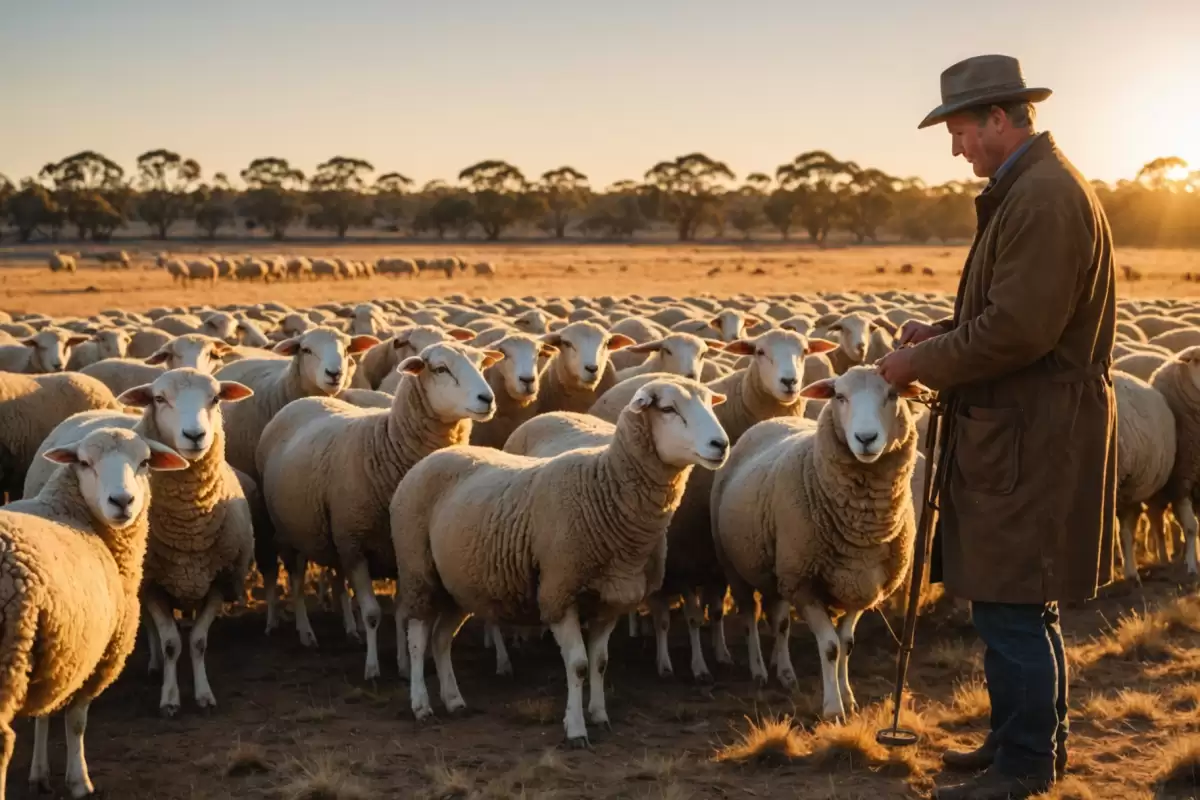
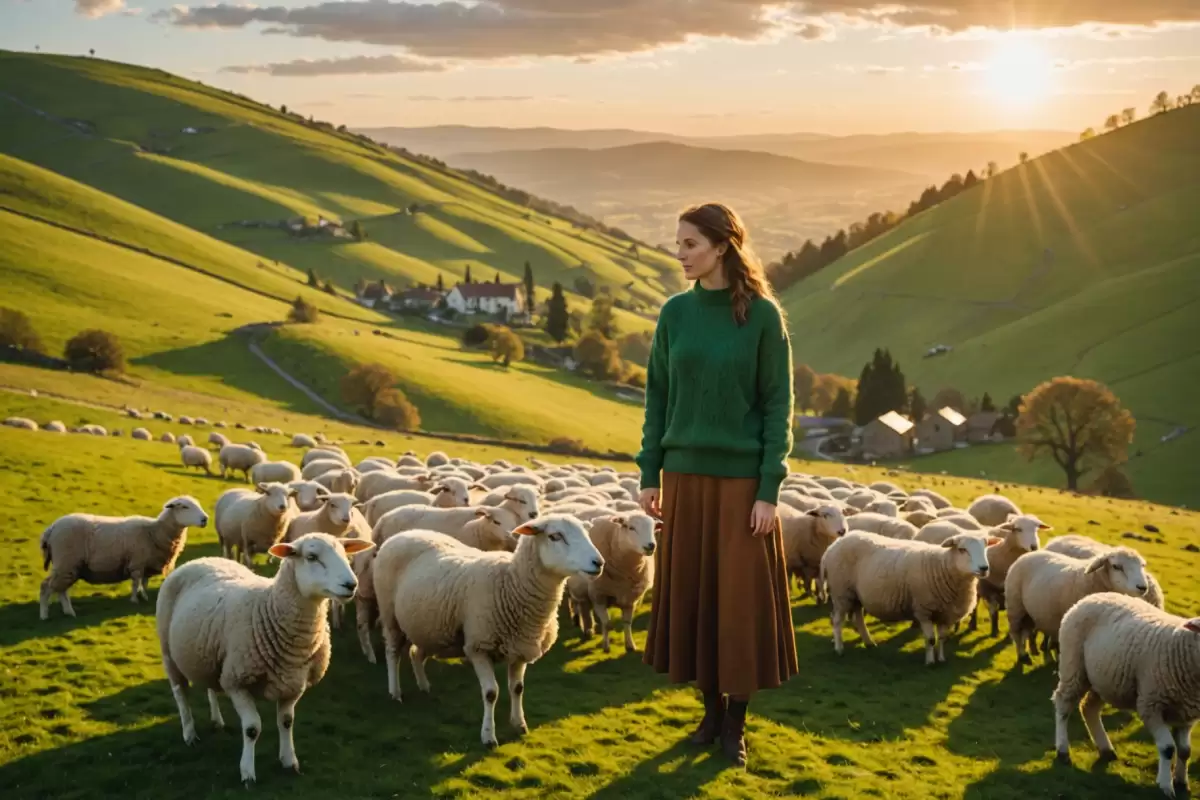
The wool industry, often overshadowed by flashier sectors, is a treasure trove of innovation and tradition. It’s a world where ancient practices meet cutting-edge technology, and the result is nothing short of fascinating. Imagine a realm where the gentle bleat of sheep echoes across vast landscapes, and the soft, luxurious feel of wool is just the beginning of a journey that blends art, science, and sustainability. Whether you’re a fashionista with an eye for eco-friendly textiles or a business guru looking for a niche market, the wool industry offers a myriad of opportunities that are as diverse as they are rewarding.
The Art of Wool: From Tradition to Innovation
Wool has been a staple of human civilization for centuries, but the industry is anything but outdated. Today, it’s a dynamic sector that marries tradition with innovation. The art of wool is not just about producing yarn; it’s about crafting a story. From the meticulous breeding of sheep to the sophisticated techniques used in processing, every step is a testament to human ingenuity and dedication. The industry is constantly evolving, with new technologies and methods being developed to enhance the quality and sustainability of wool products. It’s a dance between the past and the future, where artisans and scientists work hand in hand to create something truly extraordinary.
The Role of Technology in Modern Wool Production
In an era where technology is king, the wool industry is no exception. Advanced machinery and digital tools have revolutionized the way wool is produced and processed. From automated shearing machines that ensure the safety and comfort of sheep to sophisticated software that tracks and analyzes market trends, technology is at the forefront of modern wool production. This not only increases efficiency but also opens up new career paths for tech-savvy individuals who are eager to make their mark in a traditional industry. It’s a perfect blend of old-world charm and modern innovation, offering a unique and exciting career landscape.
Sustainability: The Heart of the Wool Industry
Sustainability is more than just a buzzword in the wool industry; it’s a way of life. As consumers become more conscious of their environmental footprint, the demand for sustainable products has skyrocketed. The wool industry has risen to the challenge, implementing eco-friendly practices at every stage of production. From ethical farming techniques that prioritize animal welfare to processing methods that minimize environmental impact, sustainability is woven into the very fabric of the industry. It’s a movement that not only benefits the planet but also resonates with consumers who value transparency and responsibility.
The Human Element: Building Connections in the Wool Industry
At its core, the wool industry is about people. It’s about the relationships that are built between farmers, processors, designers, and consumers. These connections are the lifeblood of the industry, fostering collaboration and innovation. Whether it’s a farmer working closely with a designer to create a new line of sustainable fashion or a marketer engaging with consumers to educate them about the benefits of wool, the human element is what makes the industry thrive. It’s a community that values trust, respect, and shared goals, creating a supportive environment where everyone can succeed.
For those intrigued by the diverse opportunities within the wool industry, Lana’s insightful article, Exploring Diverse Careers in the Wool Industry: From Farm to Fashion, offers a deeper dive into the myriad roles available. From hands-on positions like shearing and wool classing to technical roles in processing and quality control, the article highlights the essential contributions each role makes in bringing high-quality wool products to market. It’s a must-read for anyone considering a career in this dynamic sector.
Overcoming Challenges: The Future of the Wool Industry
Like any industry, the wool sector faces its share of challenges. Market fluctuations, climate change, and shifting consumer demands all pose significant hurdles. However, these challenges also present opportunities for growth and innovation. The industry is constantly adapting, finding new ways to overcome obstacles and seize opportunities. It’s a testament to the resilience and creativity of those who work in the wool industry, proving that with the right mindset and a little ingenuity, anything is possible.
In conclusion, the wool industry is a vibrant and dynamic field that offers a wealth of opportunities for those willing to explore its depths. Whether you’re drawn to the artistry of wool production, the cutting-edge technology, or the commitment to sustainability, there’s a place for you in this fascinating sector. For more insights into sustainable practices in the wool industry, check out the International Wool Textile Organisation for additional reading.