
Posts

Weaving Change: How Ethical Wool is Transforming Fashion

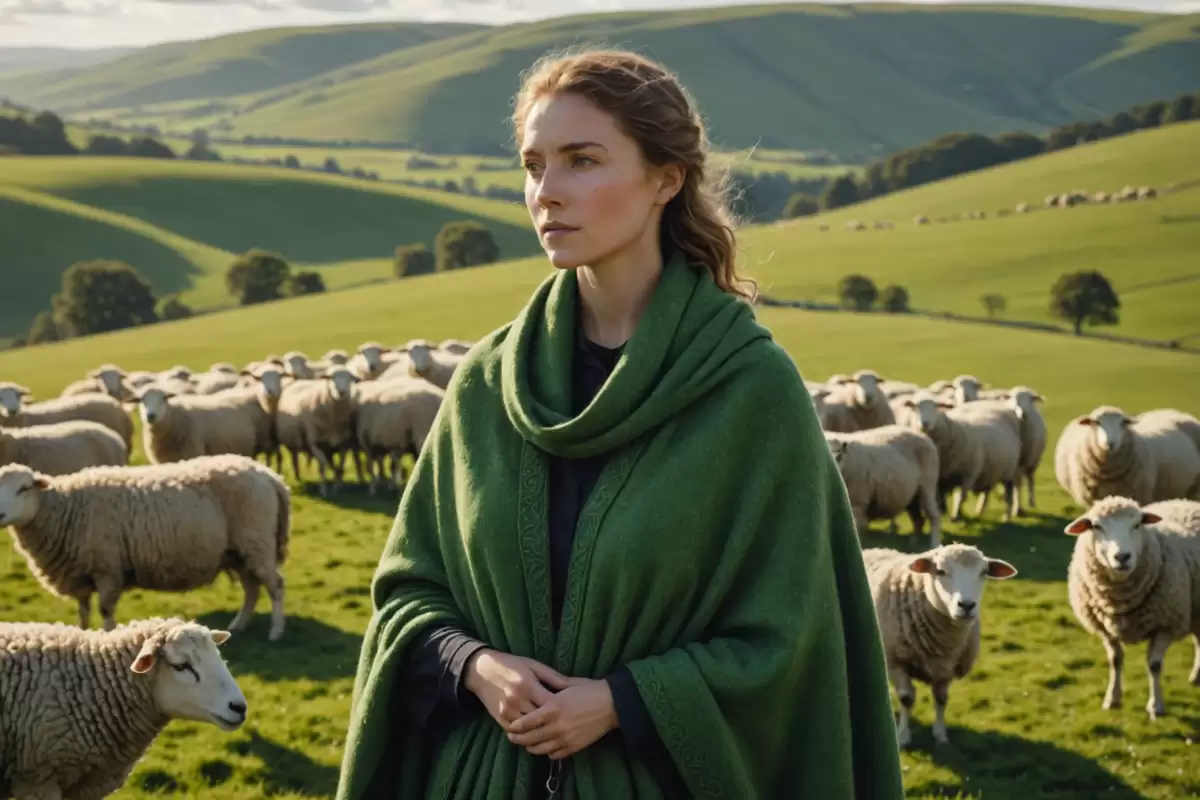
Imagine wrapping yourself in a cozy wool sweater on a chilly evening, knowing that every fiber tells a story of care, sustainability, and respect. This isn’t just any wool; it’s ethical wool, a concept that’s weaving its way into the fabric of conscious consumerism. But what if we took this idea a step further? What if ethical wool was just the beginning of a broader movement towards a more sustainable fashion industry? Let’s dive into the ripple effect of ethical wool and explore how it can inspire a revolution in how we think about fashion.

The Ripple Effect: Beyond Ethical Wool

Ethical wool is more than a feel-good choice; it’s a catalyst for change. By prioritizing animal welfare and sustainable farming, ethical wool sets a precedent that other sectors of the fashion industry can follow. Imagine a world where every garment tells a story of ethical practices—from the cotton fields to the dyeing process. Ethical wool is the starting point, but the potential for transformation is limitless.

A New Era of Transparency

Transparency is the new black in the fashion world. Consumers are no longer satisfied with vague promises; they want to know the journey their clothes have taken. Ethical wool producers are leading the charge by opening their doors and sharing their processes. This transparency builds trust and encourages other brands to follow suit, creating a ripple effect across the industry. Ever wondered where your favorite brands stand on transparency? It might be time to dig a little deeper.

The Beauty of Slow Fashion

In a world obsessed with fast fashion, ethical wool champions the beauty of slow fashion. It’s about cherishing quality over quantity and investing in pieces that last. Slow fashion isn’t just a trend; it’s a lifestyle choice that encourages us to appreciate the craftsmanship and stories behind our clothes. By choosing ethical wool, you’re not just buying a product; you’re supporting a movement that values sustainability and artistry.

Cultivating a Conscious Closet

Building a conscious closet is like curating a personal art collection. It’s about selecting pieces that reflect your values and style. Ethical wool fits seamlessly into this narrative, offering timeless elegance and durability. When you choose ethical wool, you’re making a statement about who you are and what you stand for. Have you ever considered the impact of your wardrobe choices on the planet? It’s a conversation worth having.

Community and Connection

Ethical wool isn’t just about the environment; it’s about people too. By supporting ethical wool producers, you’re investing in communities that prioritize fair trade and economic growth. These communities are the backbone of the ethical wool movement, and their stories are woven into every fiber. It’s a reminder that fashion is about connection—connecting with the people who make our clothes and the planet that provides the resources.

The Power of Collective Action

The fashion industry is at a crossroads, and collective action is the way forward. By choosing ethical wool, you’re joining a community of like-minded individuals who believe in a more sustainable future. It’s a powerful reminder that our choices matter and that together, we can drive meaningful change. Ever felt like your voice doesn’t matter? Think again. Every purchase is a vote for the kind of world you want to live in.

If you’re intrigued by the potential of ethical wool and want to explore how it can transform your brand and the planet, check out Lana’s insightful article on what ethical wool really means. It’s a deep dive into the standards and practices that make ethical wool a game-changer in the fashion industry.

As we wrap up this exploration of ethical wool, remember that every choice you make has the power to shape the future. For more on how you can contribute to a more sustainable fashion industry, check out the Fashion Revolution website. It’s packed with resources and inspiration to help you make informed, impactful decisions.
Wool’s Renaissance: From Farm to Fashion and Beyond

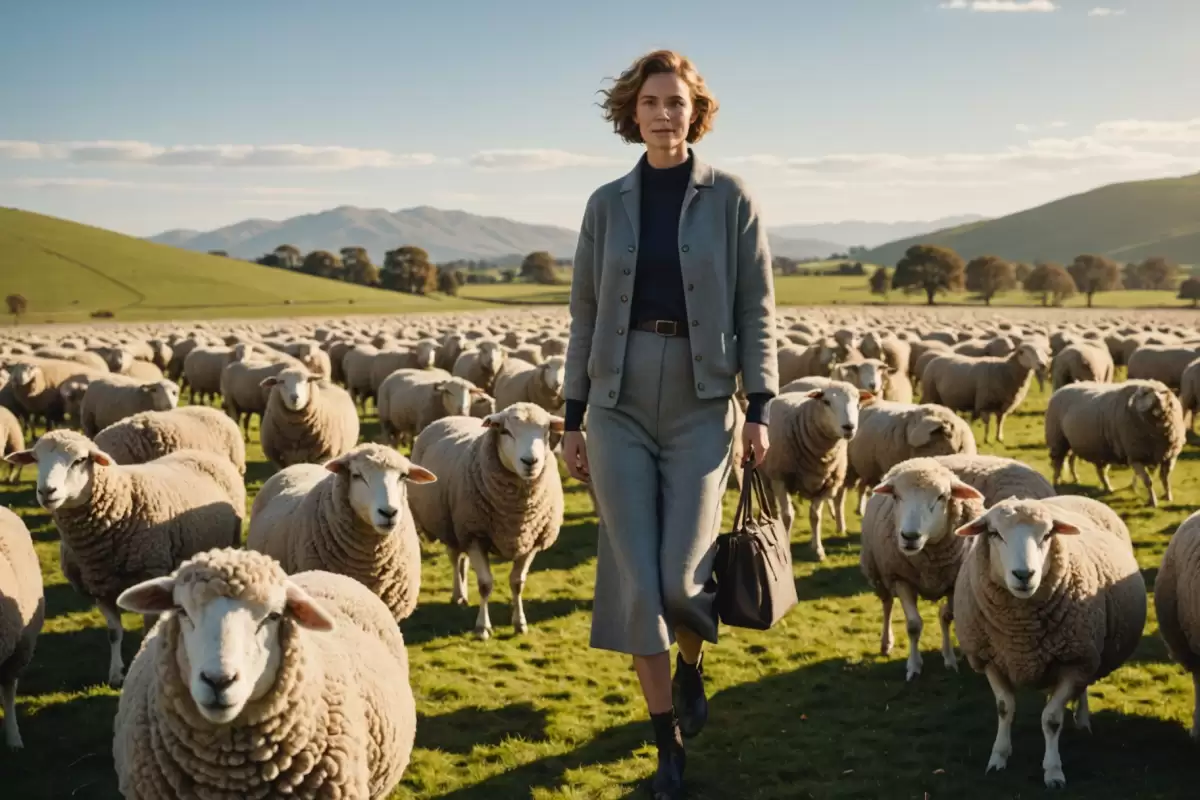
Wool, the timeless fabric that has clothed humanity for centuries, is experiencing a renaissance. From the runways of Paris to the streets of Sydney, this versatile material is making a bold statement. But behind every luxurious wool garment lies a meticulous process that transforms raw fleece into the elegant pieces we adore. Ever wondered what it takes to ensure that the wool in your favorite sweater meets the highest standards? Let’s unravel the journey of wool from farm to fashion, and discover how innovation and tradition are weaving a new narrative for this age-old industry.

The Art of Wool Selection

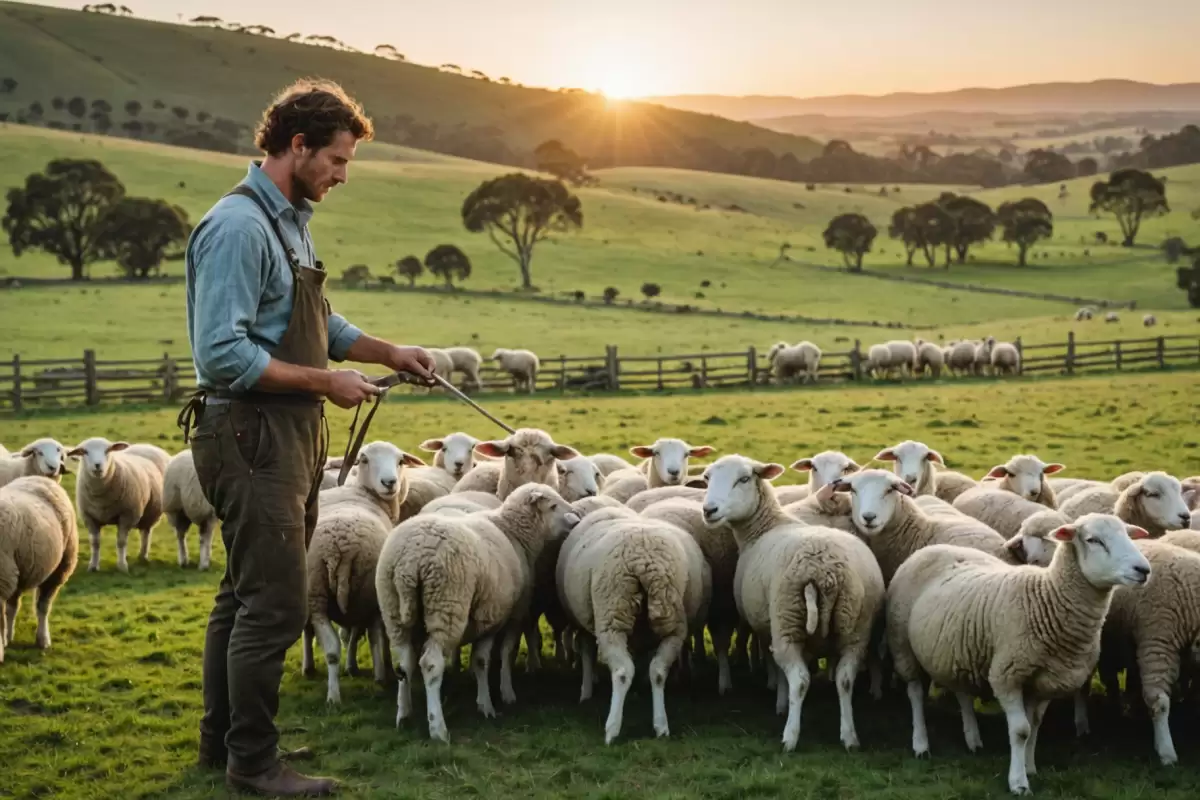
Selecting the right wool is akin to choosing the perfect wine; it requires a discerning eye and a deep understanding of quality. Wool growers are the unsung heroes in this story, dedicating their lives to nurturing sheep that produce the finest fleece. The process begins with identifying sheep breeds known for their superior wool, such as Merino, which is prized for its softness and durability. But it’s not just about the breed; environmental factors, nutrition, and care all play pivotal roles in determining wool quality. Growers must balance these elements, ensuring their flocks are healthy and their fleece is flawless.

From Fleece to Fabric: The Transformation

Once the wool is shorn, the transformation begins. This is where the magic happens—turning raw fleece into a material that designers covet. The wool undergoes several stages of processing, including washing, carding, and spinning. Each step is crucial in maintaining the integrity of the fibers. Modern technology has revolutionized this process, allowing for greater precision and efficiency. Yet, there remains a touch of artistry in how the wool is handled, ensuring that each strand retains its natural luster and strength.

Embracing Sustainability in Wool Production

In today’s eco-conscious world, sustainability isn’t just a buzzword; it’s a necessity. The wool industry is no exception. From reducing water usage in processing to adopting ethical farming practices, there’s a concerted effort to minimize environmental impact. Innovative techniques, such as regenerative agriculture, are being employed to enhance soil health and biodiversity. This not only benefits the planet but also improves the quality of the wool. By choosing sustainable practices, the wool industry is setting a standard for other sectors to follow.

The Role of Innovation in Wool Fashion

Fashion is ever-evolving, and wool is at the forefront of this evolution. Designers are pushing the boundaries, experimenting with new textures, colors, and blends. The result? Wool garments that are not only stylish but also functional. Think lightweight wool suits that breathe in summer or waterproof wool coats that shield against winter’s chill. This fusion of innovation and tradition is what makes wool a perennial favorite in the fashion world.

Connecting Tradition with Modernity

For those intrigued by the intricacies of wool preparation, Lana’s blog post, Wool Clip Preparation Guide for Australian Wool Growers, offers a deep dive into the traditional methods and modern techniques used by Australian wool growers. It’s a fascinating read that complements our exploration of wool’s journey, providing practical insights for those interested in the behind-the-scenes work that goes into creating high-quality wool products.

The Future of Wool: A Fabric for All Seasons

As we look to the future, wool’s versatility ensures it will remain a staple in our wardrobes. With advancements in technology and a commitment to sustainability, the possibilities are endless. Whether it’s a cozy sweater for a winter evening or a chic dress for a summer outing, wool continues to adapt and inspire. So next time you slip into a wool garment, take a moment to appreciate the journey it has taken—from the pastoral landscapes of Australia to the bustling streets of the fashion capitals.

For those eager to learn more about sustainable practices in the wool industry, the IWTO’s website offers a wealth of information on how wool is leading the charge in eco-friendly fashion.

Unraveling Wool: The Art, Strategy, and Innovation Behind Fashion’s Timeless Fabric

In the bustling world of fashion and lifestyle, where trends shift faster than a Sydney breeze, the wool industry stands as a testament to timeless elegance and sustainability. But beyond the runway and the glossy pages of magazines, there’s an intricate dance of negotiation and strategy that goes into every bale of wool. This isn’t just about fashion; it’s about understanding the art of the deal, the nuances of market dynamics, and the power of relationships. Ever wondered how that luxurious wool sweater made its way from an Australian farm to your favorite boutique? Let’s unravel the threads of this fascinating journey.

The Art of Storytelling in Wool Trading

Wool trading is as much about storytelling as it is about commerce. Each wool clip has a narrative woven into its fibers, from the pastoral landscapes of Australia to the hands that shear and shape it. Growers who can articulate this story often find themselves at an advantage. Why? Because in today’s market, consumers crave authenticity. They want to know the origins of their products, the sustainability practices behind them, and the human touch involved in their creation. By crafting a compelling narrative around their wool, growers can elevate its perceived value, making it more than just a commodity.

Crafting Your Wool Narrative

To begin, understand what makes your wool unique. Is it the heritage of your farm, the sustainable practices you employ, or perhaps the rare breed of sheep you raise? Highlight these aspects in your marketing materials. Use social media to share behind-the-scenes glimpses of life on your farm. Engage with your audience by sharing stories of your daily challenges and triumphs. Remember, in a world saturated with choices, a strong narrative can be your most powerful differentiator.

Building a Brand Beyond the Bale

In the competitive landscape of wool trading, establishing a brand identity is crucial. It’s not just about selling wool; it’s about selling a lifestyle, a set of values, and a promise of quality. Successful growers understand that their brand is a living entity that needs nurturing and evolution.

The Role of Innovation

Innovation plays a pivotal role in brand building. Whether it’s adopting new shearing techniques, experimenting with eco-friendly dyes, or exploring partnerships with fashion designers, innovation keeps your brand fresh and relevant. It signals to buyers that you’re not just resting on your laurels but actively seeking ways to improve and adapt.

The Power of Partnerships

In the wool industry, as in life, it’s often who you know that counts. Building strong partnerships with buyers, brokers, and even other growers can open doors to new opportunities. Collaboration can lead to the sharing of resources, insights, and networks, all of which can enhance your market position.

Networking Tips for Growers

Attend industry events, participate in online forums, and don’t shy away from reaching out to potential partners. Be proactive in your communication, and always follow up on meetings with a thank-you note or a quick call. These small gestures can leave a lasting impression and pave the way for fruitful collaborations.

Embracing the Digital Revolution

The digital age has transformed every industry, and wool trading is no exception. From online marketplaces to virtual auctions, technology offers new avenues for reaching buyers and expanding your market reach. Embrace these tools to streamline your operations and enhance your visibility.

Leveraging Social Media

Platforms like Instagram and Facebook aren’t just for selfies and food pics; they’re powerful tools for showcasing your wool and connecting with a global audience. Use them to share your brand’s story, engage with followers, and even conduct market research. Ever tried hosting a live Q&A session about your wool? It’s a game-changer!

Discover More About Wool Trading

If you’re eager to dive deeper into the world of wool trading negotiation, the blog post by Lana offers a wealth of insights specifically tailored for Australian growers. It’s a treasure trove of strategies and tips that can help you navigate the complexities of the market and secure the best deals for your wool. Check it out here.

Final Thoughts

Wool trading is a multifaceted journey that blends tradition with innovation, storytelling with strategy. By embracing these elements, growers can not only enhance the value of their wool but also contribute to a more sustainable and ethical industry. Ready to explore more about sustainable practices in the wool industry? Dive into this comprehensive guide that offers valuable insights and practical tips for making a positive impact.