
Posts

Wool’s Renaissance: From Farm to Fashion and Beyond

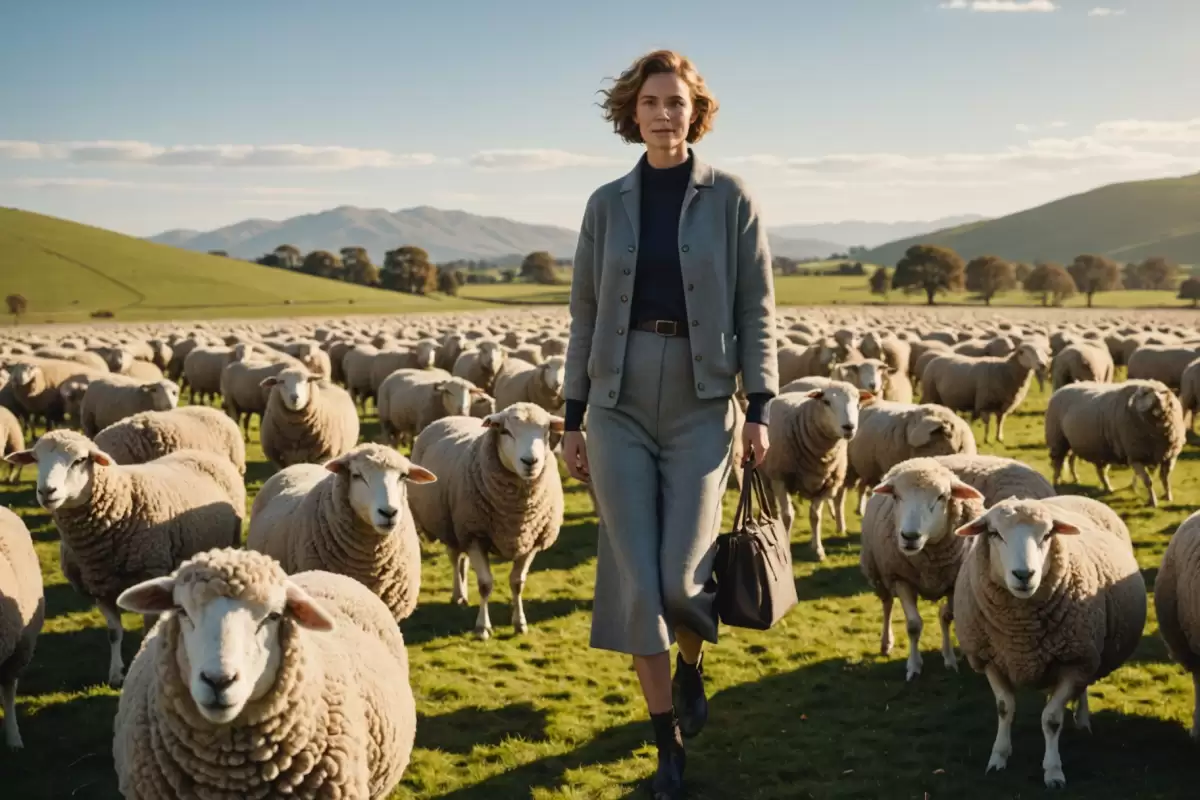
Wool, the timeless fabric that has clothed humanity for centuries, is experiencing a renaissance. From the runways of Paris to the streets of Sydney, this versatile material is making a bold statement. But behind every luxurious wool garment lies a meticulous process that transforms raw fleece into the elegant pieces we adore. Ever wondered what it takes to ensure that the wool in your favorite sweater meets the highest standards? Let’s unravel the journey of wool from farm to fashion, and discover how innovation and tradition are weaving a new narrative for this age-old industry.

The Art of Wool Selection

Selecting the right wool is akin to choosing the perfect wine; it requires a discerning eye and a deep understanding of quality. Wool growers are the unsung heroes in this story, dedicating their lives to nurturing sheep that produce the finest fleece. The process begins with identifying sheep breeds known for their superior wool, such as Merino, which is prized for its softness and durability. But it’s not just about the breed; environmental factors, nutrition, and care all play pivotal roles in determining wool quality. Growers must balance these elements, ensuring their flocks are healthy and their fleece is flawless.

From Fleece to Fabric: The Transformation

Once the wool is shorn, the transformation begins. This is where the magic happens—turning raw fleece into a material that designers covet. The wool undergoes several stages of processing, including washing, carding, and spinning. Each step is crucial in maintaining the integrity of the fibers. Modern technology has revolutionized this process, allowing for greater precision and efficiency. Yet, there remains a touch of artistry in how the wool is handled, ensuring that each strand retains its natural luster and strength.

Embracing Sustainability in Wool Production

In today’s eco-conscious world, sustainability isn’t just a buzzword; it’s a necessity. The wool industry is no exception. From reducing water usage in processing to adopting ethical farming practices, there’s a concerted effort to minimize environmental impact. Innovative techniques, such as regenerative agriculture, are being employed to enhance soil health and biodiversity. This not only benefits the planet but also improves the quality of the wool. By choosing sustainable practices, the wool industry is setting a standard for other sectors to follow.

The Role of Innovation in Wool Fashion

Fashion is ever-evolving, and wool is at the forefront of this evolution. Designers are pushing the boundaries, experimenting with new textures, colors, and blends. The result? Wool garments that are not only stylish but also functional. Think lightweight wool suits that breathe in summer or waterproof wool coats that shield against winter’s chill. This fusion of innovation and tradition is what makes wool a perennial favorite in the fashion world.

Connecting Tradition with Modernity

For those intrigued by the intricacies of wool preparation, Lana’s blog post, Wool Clip Preparation Guide for Australian Wool Growers, offers a deep dive into the traditional methods and modern techniques used by Australian wool growers. It’s a fascinating read that complements our exploration of wool’s journey, providing practical insights for those interested in the behind-the-scenes work that goes into creating high-quality wool products.

The Future of Wool: A Fabric for All Seasons

As we look to the future, wool’s versatility ensures it will remain a staple in our wardrobes. With advancements in technology and a commitment to sustainability, the possibilities are endless. Whether it’s a cozy sweater for a winter evening or a chic dress for a summer outing, wool continues to adapt and inspire. So next time you slip into a wool garment, take a moment to appreciate the journey it has taken—from the pastoral landscapes of Australia to the bustling streets of the fashion capitals.

For those eager to learn more about sustainable practices in the wool industry, the IWTO’s website offers a wealth of information on how wool is leading the charge in eco-friendly fashion.

Weaving Innovation and Sustainability: The Future of Wool

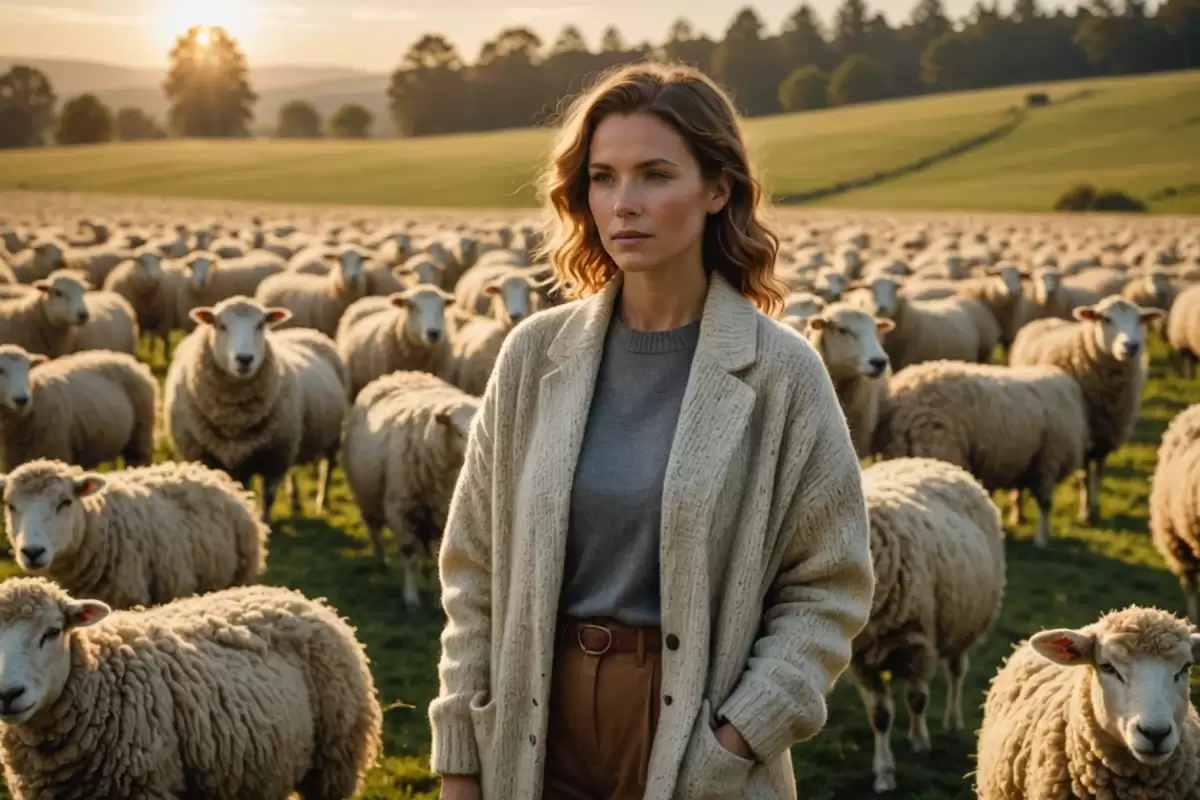
In the ever-evolving world of fashion and textiles, where trends shift with the seasons and consumer demands are as unpredictable as the weather, one thing remains constant: the need for stability. For those in the wool industry, this stability often comes in the form of forward-thinking strategies that ensure both quality and consistency. But what if I told you that the future of wool isn’t just about securing prices or managing risks? It’s about weaving a tapestry of innovation, sustainability, and collaboration that could redefine the industry as we know it. Intrigued? Let’s unravel this yarn together.

The Art of Sustainable Wool Production

Sustainability isn’t just a buzzword; it’s a necessity. The fashion industry, notorious for its environmental impact, is undergoing a transformation, and wool is at the forefront. Wool, a natural and biodegradable fiber, offers a sustainable alternative to synthetic materials. But the journey to sustainable wool production is more than just about the end product—it’s about the process.

Embracing Regenerative Agriculture

Regenerative agriculture is the new darling of sustainable farming practices, and it’s making waves in the wool industry. This method focuses on restoring soil health, increasing biodiversity, and improving water cycles. By adopting regenerative practices, wool growers are not only producing high-quality wool but also contributing to the health of the planet. Imagine a world where your favorite wool sweater is not just a fashion statement but a testament to environmental stewardship.

The Role of Technology in Wool Production

In an industry as traditional as wool, technology might seem like an unlikely ally. However, innovations like blockchain and AI are revolutionizing the way wool is tracked and traded. Blockchain, for instance, offers transparency and traceability, ensuring that every step of the wool production process is documented and verifiable. This level of transparency builds trust with consumers who are increasingly demanding to know the origins of their products.

Building Collaborative Networks

The wool industry thrives on relationships. From growers to processors to fashion designers, each link in the chain is crucial. But how do you foster these relationships in a way that benefits everyone involved?

Creating Synergistic Partnerships

Partnerships in the wool industry are evolving beyond mere transactions. They’re becoming synergistic collaborations where each party brings something valuable to the table. By working closely together, growers and processors can innovate, share resources, and ultimately produce a superior product. It’s about creating a win-win situation where everyone benefits, including the environment.

The Power of Community Engagement

Community engagement is another key aspect of building strong networks. Wool growers are increasingly engaging with local communities, sharing knowledge, and promoting sustainable practices. This not only strengthens local economies but also fosters a sense of community and shared purpose. After all, isn’t it more rewarding to wear a piece of clothing that tells a story of collaboration and community?

The Future of Wool: A New Narrative

As we look to the future, the narrative around wool is changing. It’s no longer just about producing a commodity; it’s about crafting a story of sustainability, innovation, and collaboration. This is where forward wool contracts come into play. These contracts, as detailed in Lana’s insightful blog post, offer a way to secure prices and manage risks, providing a foundation for long-term partnerships. Check out Lana’s blog post to explore how these contracts can benefit your business and help you build a sustainable future in the wool industry.

Conclusion: Weaving a Brighter Future

The wool industry stands at a crossroads, with the potential to lead the way in sustainable and innovative practices. By embracing regenerative agriculture, leveraging technology, and fostering collaborative networks, the industry can weave a brighter future for all. And if you’re curious to learn more about the intersection of fashion and sustainability, this resource offers a wealth of information and inspiration. So, next time you wrap yourself in a cozy wool scarf, remember the journey it took to get there—a journey of innovation, collaboration, and a commitment to a better world.