
Posts

Embracing Nature: The Sustainable Elegance of Merino Wool

Imagine wrapping yourself in a fabric that feels like a gentle embrace from Mother Nature herself. That’s the magic of Merino wool—a material that’s as much about feeling good as it is about doing good. In a world where fast fashion often steals the spotlight, Merino wool stands as a testament to the elegance of sustainability. But what if I told you that the story of Merino wool is more than just about the fibre? It’s a tale of innovation, community, and a deep-rooted respect for our planet. Let’s dive into the lesser-known facets of this luxurious fibre and discover why it’s capturing the hearts of fashion-forward individuals worldwide.

The Innovation Behind the Fibre

Beyond Traditional Techniques

While Merino wool has been cherished for centuries, the modern approach to its production is nothing short of revolutionary. Today, technology and tradition blend seamlessly to enhance the fibre’s natural properties. Ever heard of smart textiles? These are fabrics that can adapt to your body’s needs, and Merino wool is at the forefront of this innovation. By integrating microcapsules that respond to temperature changes, Merino wool garments can keep you warm in the winter and cool in the summer. It’s like having a personal climate control system woven into your clothes.

A Community Effort

What makes Merino wool truly special is the community that supports it. From the dedicated farmers who nurture the sheep to the skilled artisans who craft the final product, every piece of Merino wool clothing is a labour of love. This sense of community extends to consumers as well. By choosing Merino wool, you’re not just buying a product; you’re supporting a network of individuals committed to ethical and sustainable practices. It’s fashion with a conscience.

The Environmental Impact

A Sustainable Choice

In an era where environmental concerns are at the forefront, Merino wool offers a sustainable alternative to synthetic fibres. Unlike polyester or nylon, Merino wool is biodegradable, meaning it won’t contribute to the growing problem of microplastic pollution. Moreover, the production process itself is designed to minimise environmental impact. From water-efficient dyeing techniques to energy-saving manufacturing processes, every step is taken with the planet in mind.

The Role of Regenerative Agriculture

At the heart of sustainable Merino wool production is regenerative agriculture—a holistic approach to farming that focuses on restoring soil health and biodiversity. By employing practices like rotational grazing and cover cropping, farmers can create a more resilient ecosystem. This not only improves the quality of the wool but also helps combat climate change by sequestering carbon in the soil. It’s a win-win for the environment and the fashion industry.

The Future of Fashion

Embracing Circularity

As we look to the future, the concept of circular fashion is gaining traction. This involves designing products with their entire lifecycle in mind, from production to disposal. Merino wool is uniquely suited to this approach, thanks to its durability and versatility. Garments made from Merino wool are designed to last, reducing the need for frequent replacements. And when they do reach the end of their life, they can be recycled or composted, closing the loop on waste.

A Call to Action

So, why should you care about Merino wool? Because it represents a shift towards a more thoughtful and sustainable fashion industry. By choosing Merino wool, you’re making a statement about your values and supporting a movement that prioritises quality over quantity. If you’re curious to learn more about the journey of sustainable Merino wool, from farm to fashion, check out Lana’s insightful article here. It’s a fascinating read that delves deeper into the practices and philosophies that make this fibre so special.

Discover More

For those who want to dive even deeper into the world of sustainable fashion, the Fashion Revolution website is a treasure trove of information. It’s a global movement that advocates for greater transparency and ethics in the fashion industry. Whether you’re a seasoned fashionista or just starting to explore sustainable options, there’s something for everyone. After all, isn’t it time we all became a little more conscious about what we wear?
Embracing Nature: The Sustainable Elegance of Merino Wool

Imagine wrapping yourself in a fabric that feels like a gentle embrace from Mother Nature herself. That’s the magic of Merino wool—a material that’s as much about feeling good as it is about doing good. In a world where fast fashion often steals the spotlight, Merino wool stands as a testament to the elegance of sustainability. But what if I told you that the story of Merino wool is more than just about the fibre? It’s a tale of innovation, community, and a deep-rooted respect for our planet. Let’s dive into the lesser-known facets of this luxurious fibre and discover why it’s capturing the hearts of fashion-forward individuals worldwide.

The Innovation Behind the Fibre

Beyond Traditional Techniques

While Merino wool has been cherished for centuries, the modern approach to its production is nothing short of revolutionary. Today, technology and tradition blend seamlessly to enhance the fibre’s natural properties. Ever heard of smart textiles? These are fabrics that can adapt to your body’s needs, and Merino wool is at the forefront of this innovation. By integrating microcapsules that respond to temperature changes, Merino wool garments can keep you warm in the winter and cool in the summer. It’s like having a personal climate control system woven into your clothes.

A Community Effort

What makes Merino wool truly special is the community that supports it. From the dedicated farmers who nurture the sheep to the skilled artisans who craft the final product, every piece of Merino wool clothing is a labour of love. This sense of community extends to consumers as well. By choosing Merino wool, you’re not just buying a product; you’re supporting a network of individuals committed to ethical and sustainable practices. It’s fashion with a conscience.

The Environmental Impact

A Sustainable Choice

In an era where environmental concerns are at the forefront, Merino wool offers a sustainable alternative to synthetic fibres. Unlike polyester or nylon, Merino wool is biodegradable, meaning it won’t contribute to the growing problem of microplastic pollution. Moreover, the production process itself is designed to minimise environmental impact. From water-efficient dyeing techniques to energy-saving manufacturing processes, every step is taken with the planet in mind.

The Role of Regenerative Agriculture

At the heart of sustainable Merino wool production is regenerative agriculture—a holistic approach to farming that focuses on restoring soil health and biodiversity. By employing practices like rotational grazing and cover cropping, farmers can create a more resilient ecosystem. This not only improves the quality of the wool but also helps combat climate change by sequestering carbon in the soil. It’s a win-win for the environment and the fashion industry.

The Future of Fashion

Embracing Circularity

As we look to the future, the concept of circular fashion is gaining traction. This involves designing products with their entire lifecycle in mind, from production to disposal. Merino wool is uniquely suited to this approach, thanks to its durability and versatility. Garments made from Merino wool are designed to last, reducing the need for frequent replacements. And when they do reach the end of their life, they can be recycled or composted, closing the loop on waste.

A Call to Action

So, why should you care about Merino wool? Because it represents a shift towards a more thoughtful and sustainable fashion industry. By choosing Merino wool, you’re making a statement about your values and supporting a movement that prioritises quality over quantity. If you’re curious to learn more about the journey of sustainable Merino wool, from farm to fashion, check out Lana’s insightful article here. It’s a fascinating read that delves deeper into the practices and philosophies that make this fibre so special.

Discover More

For those who want to dive even deeper into the world of sustainable fashion, the Fashion Revolution website is a treasure trove of information. It’s a global movement that advocates for greater transparency and ethics in the fashion industry. Whether you’re a seasoned fashionista or just starting to explore sustainable options, there’s something for everyone. After all, isn’t it time we all became a little more conscious about what we wear?
Weaving Innovation and Sustainability: The Future of Wool

In the ever-evolving world of fashion and textiles, where trends shift with the seasons and consumer demands are as unpredictable as the weather, one thing remains constant: the need for stability. For those in the wool industry, this stability often comes in the form of forward-thinking strategies that ensure both quality and consistency. But what if I told you that the future of wool isn’t just about securing prices or managing risks? It’s about weaving a tapestry of innovation, sustainability, and collaboration that could redefine the industry as we know it. Intrigued? Let’s unravel this yarn together.

The Art of Sustainable Wool Production

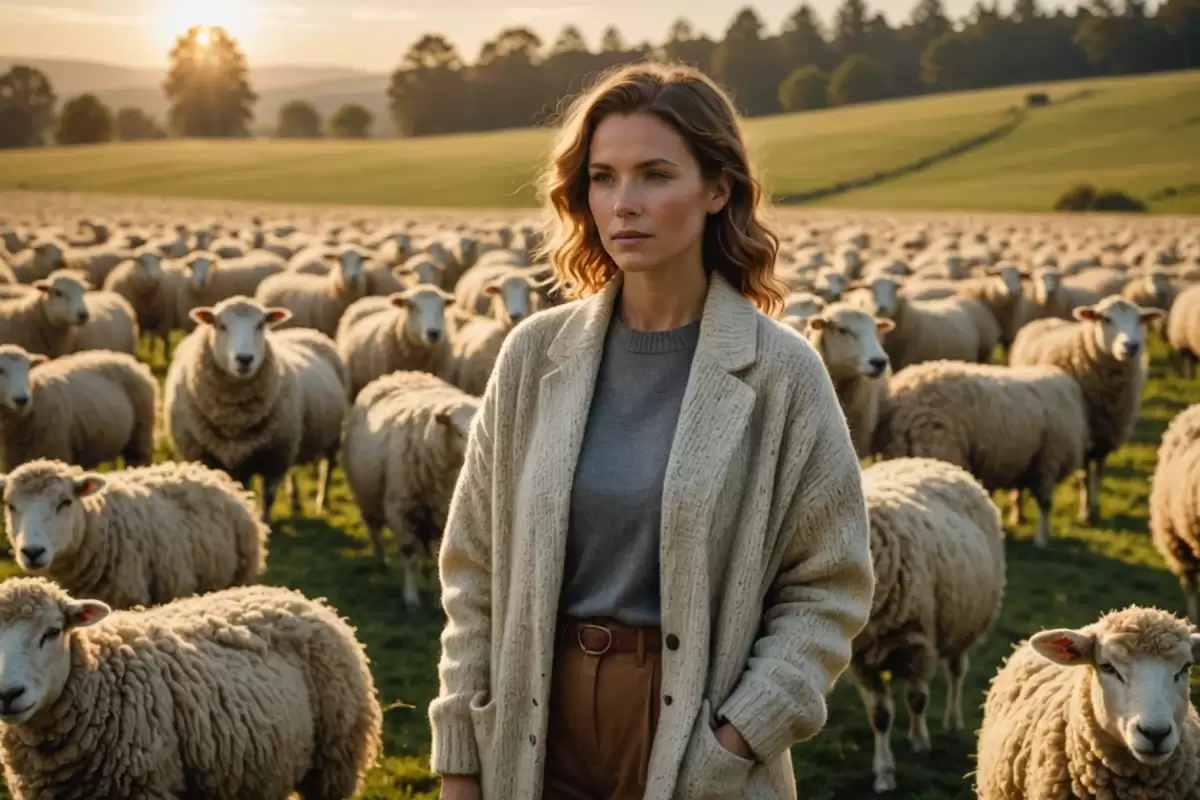
Sustainability isn’t just a buzzword; it’s a necessity. The fashion industry, notorious for its environmental impact, is undergoing a transformation, and wool is at the forefront. Wool, a natural and biodegradable fiber, offers a sustainable alternative to synthetic materials. But the journey to sustainable wool production is more than just about the end product—it’s about the process.

Embracing Regenerative Agriculture

Regenerative agriculture is the new darling of sustainable farming practices, and it’s making waves in the wool industry. This method focuses on restoring soil health, increasing biodiversity, and improving water cycles. By adopting regenerative practices, wool growers are not only producing high-quality wool but also contributing to the health of the planet. Imagine a world where your favorite wool sweater is not just a fashion statement but a testament to environmental stewardship.

The Role of Technology in Wool Production

In an industry as traditional as wool, technology might seem like an unlikely ally. However, innovations like blockchain and AI are revolutionizing the way wool is tracked and traded. Blockchain, for instance, offers transparency and traceability, ensuring that every step of the wool production process is documented and verifiable. This level of transparency builds trust with consumers who are increasingly demanding to know the origins of their products.

Building Collaborative Networks

The wool industry thrives on relationships. From growers to processors to fashion designers, each link in the chain is crucial. But how do you foster these relationships in a way that benefits everyone involved?

Creating Synergistic Partnerships

Partnerships in the wool industry are evolving beyond mere transactions. They’re becoming synergistic collaborations where each party brings something valuable to the table. By working closely together, growers and processors can innovate, share resources, and ultimately produce a superior product. It’s about creating a win-win situation where everyone benefits, including the environment.

The Power of Community Engagement

Community engagement is another key aspect of building strong networks. Wool growers are increasingly engaging with local communities, sharing knowledge, and promoting sustainable practices. This not only strengthens local economies but also fosters a sense of community and shared purpose. After all, isn’t it more rewarding to wear a piece of clothing that tells a story of collaboration and community?

The Future of Wool: A New Narrative

As we look to the future, the narrative around wool is changing. It’s no longer just about producing a commodity; it’s about crafting a story of sustainability, innovation, and collaboration. This is where forward wool contracts come into play. These contracts, as detailed in Lana’s insightful blog post, offer a way to secure prices and manage risks, providing a foundation for long-term partnerships. Check out Lana’s blog post to explore how these contracts can benefit your business and help you build a sustainable future in the wool industry.

Conclusion: Weaving a Brighter Future

The wool industry stands at a crossroads, with the potential to lead the way in sustainable and innovative practices. By embracing regenerative agriculture, leveraging technology, and fostering collaborative networks, the industry can weave a brighter future for all. And if you’re curious to learn more about the intersection of fashion and sustainability, this resource offers a wealth of information and inspiration. So, next time you wrap yourself in a cozy wool scarf, remember the journey it took to get there—a journey of innovation, collaboration, and a commitment to a better world.

Cultivating Harmony: The Fusion of Tradition and Technology in Modern Farming

In the ever-evolving tapestry of modern life, where technology and tradition dance in an intricate ballet, the world of farming is undergoing a transformation that’s as exciting as it is essential. Picture this: a lifestyle where the rhythm of the land harmonizes with the hum of innovation, where farmers can cultivate not just crops but a balanced life. It’s not just a dream; it’s a reality within reach. As the sun rises over fields and pastures, a new era of agriculture beckons—one that promises efficiency, sustainability, and yes, a little more time for that morning coffee on the porch.

The New Age of Farming: Where Tradition Meets Innovation

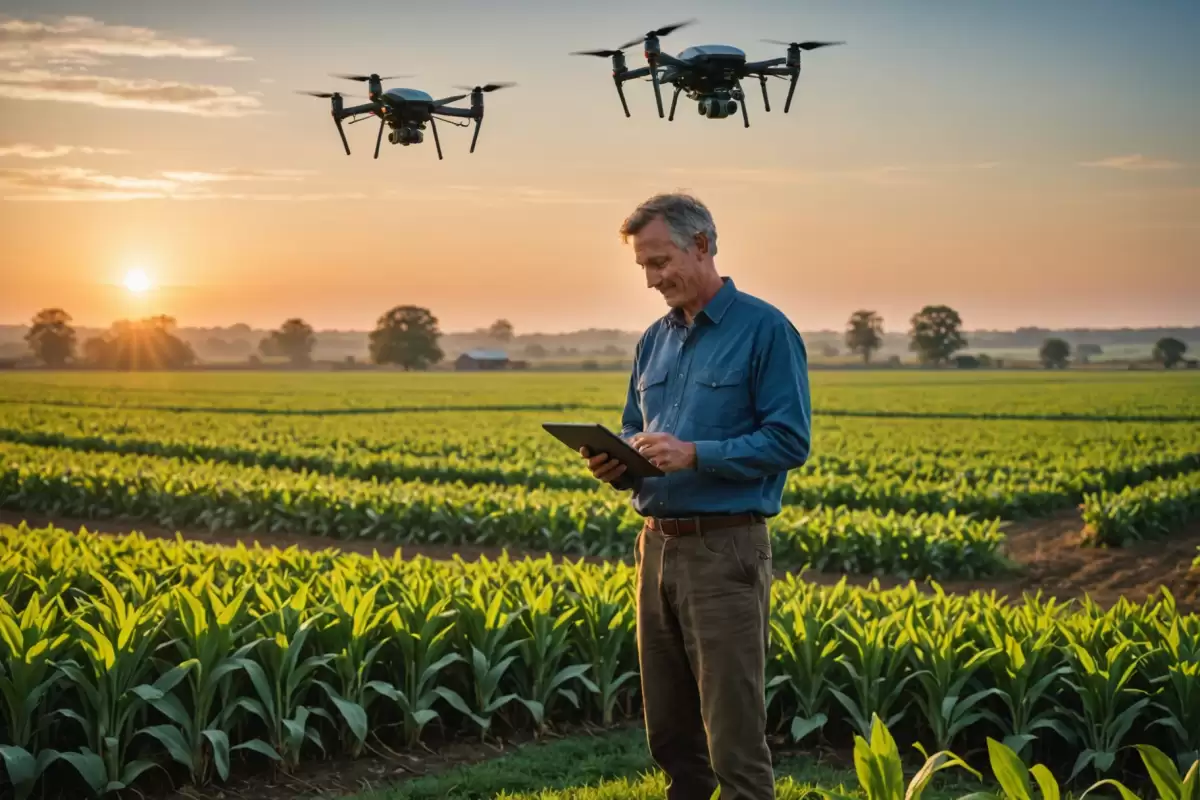
Farming has always been a blend of art and science, of intuition and data. But today, it’s also about embracing technology that can make life easier and more productive. Imagine a world where drones are your eyes in the sky, monitoring crops and livestock with precision. Or where smart sensors in the soil tell you exactly when to water, saving precious resources. It’s not about replacing the farmer’s touch but enhancing it. This is the new age of farming, where tradition meets innovation in the most delightful ways.

Embracing the Tech Revolution

Technology in agriculture isn’t just about gadgets and gizmos; it’s about creating a seamless workflow that integrates with the natural rhythms of the farm. Ever tried using a smartphone app to manage your farm’s irrigation system? It’s like having a personal assistant who never sleeps. These tools offer more than convenience—they offer a way to optimize time and resources, allowing farmers to focus on what they love most: nurturing their land and livestock.

The Human Element: Empowering Farmers and Communities

While technology is a powerful ally, the heart of farming remains its people. The stories of farmers who have embraced new methods while holding onto their roots are inspiring. It’s about empowering not just individuals but entire communities. Training programs and workshops can bridge the gap between traditional practices and modern techniques, ensuring that everyone, from the seasoned farmer to the new entrant, can thrive in this evolving landscape.

Building a Resilient Workforce

A farm is only as strong as its team. By fostering a culture of learning and collaboration, farms can become hubs of innovation and resilience. Imagine a place where ideas flow as freely as the wind through the wheat fields, where every team member feels valued and heard. This isn’t just about productivity; it’s about creating a community that supports each other through the challenges and triumphs of farming life.

Sustainability: The Heartbeat of Modern Agriculture

In the quest for a balanced farming lifestyle, sustainability is the guiding star. It’s about finding ways to work with nature, not against it. From regenerative farming practices that restore soil health to renewable energy solutions that power operations, sustainability is the heartbeat of modern agriculture. It’s about ensuring that the land we love can continue to provide for generations to come.

The Role of Regenerative Practices

Regenerative agriculture isn’t just a buzzword; it’s a movement. By focusing on soil health, biodiversity, and ecosystem balance, farmers can create a self-sustaining cycle that benefits both the environment and their bottom line. It’s about giving back to the land as much as it gives to us, ensuring a future where farming and nature thrive together.

Discover More: A Path to Balanced Farming

If you’re intrigued by the possibilities of optimizing farm operations for a more balanced lifestyle, there’s a treasure trove of insights waiting for you. Enable Ag has crafted an insightful blog post that delves into practical strategies for transforming your farm. From automation to workflow refinement, their guide offers a roadmap to achieving harmony between productivity and peace of mind. Curious to learn more? Check out their article here and start your journey towards a more balanced farming lifestyle today.

For those eager to dive deeper into the world of sustainable agriculture, the Rodale Institute offers a wealth of resources and research on regenerative practices. It’s a great place to explore how you can contribute to a healthier planet while cultivating a thriving farm.