
Posts

The Future of Work: Embracing Flexible, Creative, and Community-Driven Spaces

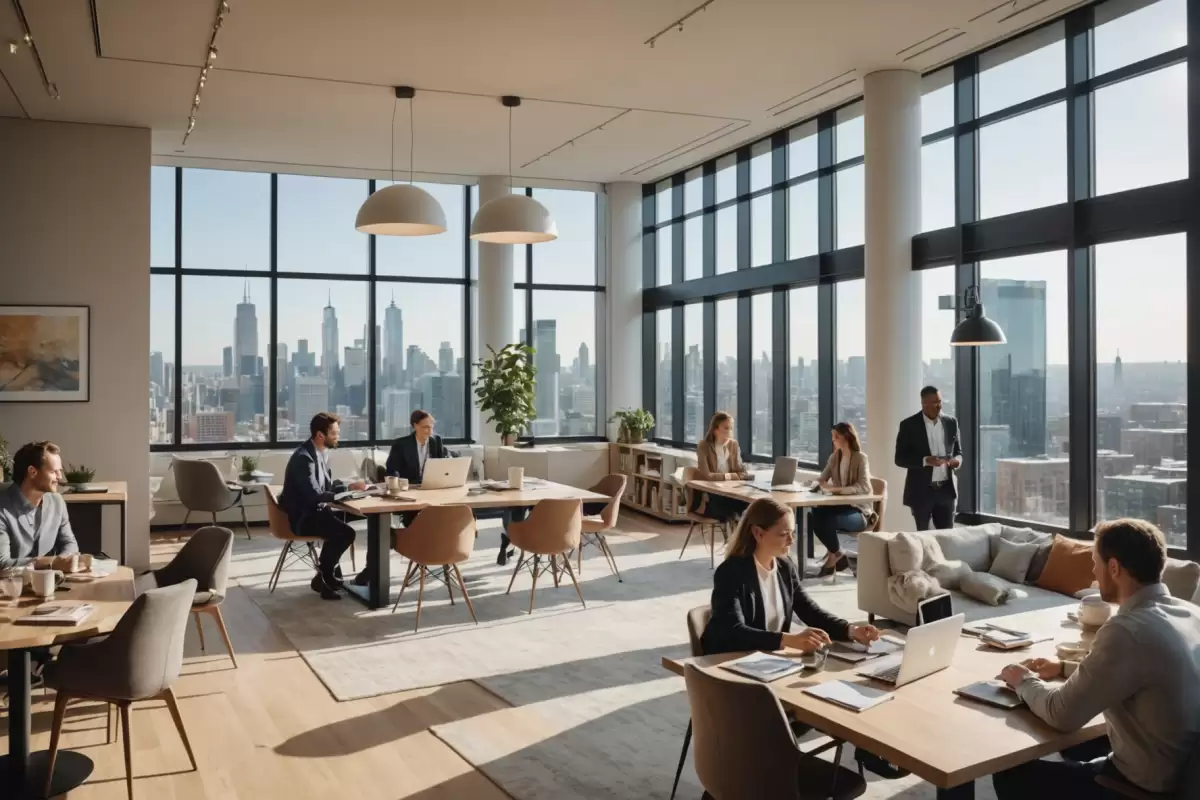
In the bustling world of business, where innovation is the name of the game, the spaces we work in are transforming at lightning speed. Imagine stepping into an office that’s more like a chic café than a cubicle farm. Picture a place where ideas flow as freely as the artisanal coffee. Welcome to the future of workspaces—where flexibility, creativity, and community converge to redefine how we work and live. But what drives this shift, and why are so many businesses and professionals flocking to these dynamic environments?

The Rise of Hybrid Work Models

The traditional nine-to-five grind is slowly becoming a relic of the past. In its place, hybrid work models are taking center stage, offering a blend of remote and in-office work that caters to modern lifestyles. This shift isn’t just about convenience; it’s about creating a work-life balance that enhances productivity and well-being. Flexible office spaces are at the heart of this transformation, providing the infrastructure needed to support a hybrid workforce. These spaces are designed to be adaptable, offering a variety of settings that cater to different work styles and tasks.

The Flexibility Factor

Flexibility is more than just a buzzword; it’s a necessity in today’s fast-paced world. Businesses need to be agile, ready to pivot at a moment’s notice. Flexible office spaces offer this agility, allowing companies to scale up or down without the constraints of long-term leases. This adaptability is particularly appealing to startups and small businesses that are navigating the unpredictable waters of growth. With the ability to choose from a range of workspace options, from hot desks to private offices, businesses can tailor their environment to suit their needs.

Designing for Creativity and Collaboration

Gone are the days of drab, uninspiring office layouts. Today’s workspaces are vibrant, creative hubs designed to inspire innovation and collaboration. The open-plan designs, breakout areas, and communal kitchens found in flexible office spaces encourage spontaneous interactions and idea-sharing. This design philosophy is rooted in the belief that creativity thrives in environments where people feel comfortable and connected. Ever tried brainstorming with a colleague over a cup of coffee in a cozy lounge? It’s a whole new ball game!

The Role of Technology

Technology plays a pivotal role in enabling the modern workspace. High-speed internet, state-of-the-art meeting rooms, and seamless connectivity are just the beginning. Many flexible office spaces are equipped with smart technology that enhances the user experience, from app-based room bookings to virtual collaboration tools. This tech-savvy approach ensures that businesses can operate efficiently and effectively, no matter where their team members are located.

Building a Community of Innovators

One of the most compelling aspects of flexible office spaces is the sense of community they foster. These environments are more than just places to work; they’re ecosystems where like-minded professionals come together to share ideas, collaborate on projects, and support each other’s growth. This community aspect is particularly valuable for freelancers and entrepreneurs who might otherwise feel isolated. By working alongside other driven individuals, they gain access to a network of potential collaborators and mentors.

The Crate: A Hub for Forward-Thinking Professionals

If you’re intrigued by the idea of working in a space that combines flexibility, creativity, and community, look no further than The Crate. Their flexible office space near Cambridge is designed to meet the needs of growth-focused business owners and professionals. With state-of-the-art facilities and a vibrant community, The Crate offers an environment where innovation thrives. To learn more about the benefits of flexible office spaces and why they’re the future of work, check out their insightful blog post here.

Embracing the Future of Work

As we move forward into an era defined by change, the way we work will continue to evolve. Flexible office spaces are more than just a trend; they’re a reflection of the changing nature of work and the needs of today’s professionals. By embracing these dynamic environments, businesses can position themselves for success in an increasingly unpredictable world. So, are you ready to step into the future of work and join a community of innovators?

For further reading on how flexible workspaces are shaping the future, check out this Harvard Business Review article that delves into the evolving landscape of office environments.

Adaptive Workspaces: The Future of Flexibility and Innovation in Business

In the bustling world of modern business, the quest for the perfect workspace is akin to searching for the Holy Grail. We’re all in pursuit of that elusive environment where creativity flows, productivity soars, and inspiration strikes like lightning. But what if the secret to unlocking your business’s potential lies not in the traditional office but in a space that adapts to your needs, nurtures your ideas, and grows with you? Welcome to the era of adaptive workspaces—where flexibility meets innovation, and your office becomes more than just a place to work; it becomes a catalyst for success.

The Evolution of Office Spaces

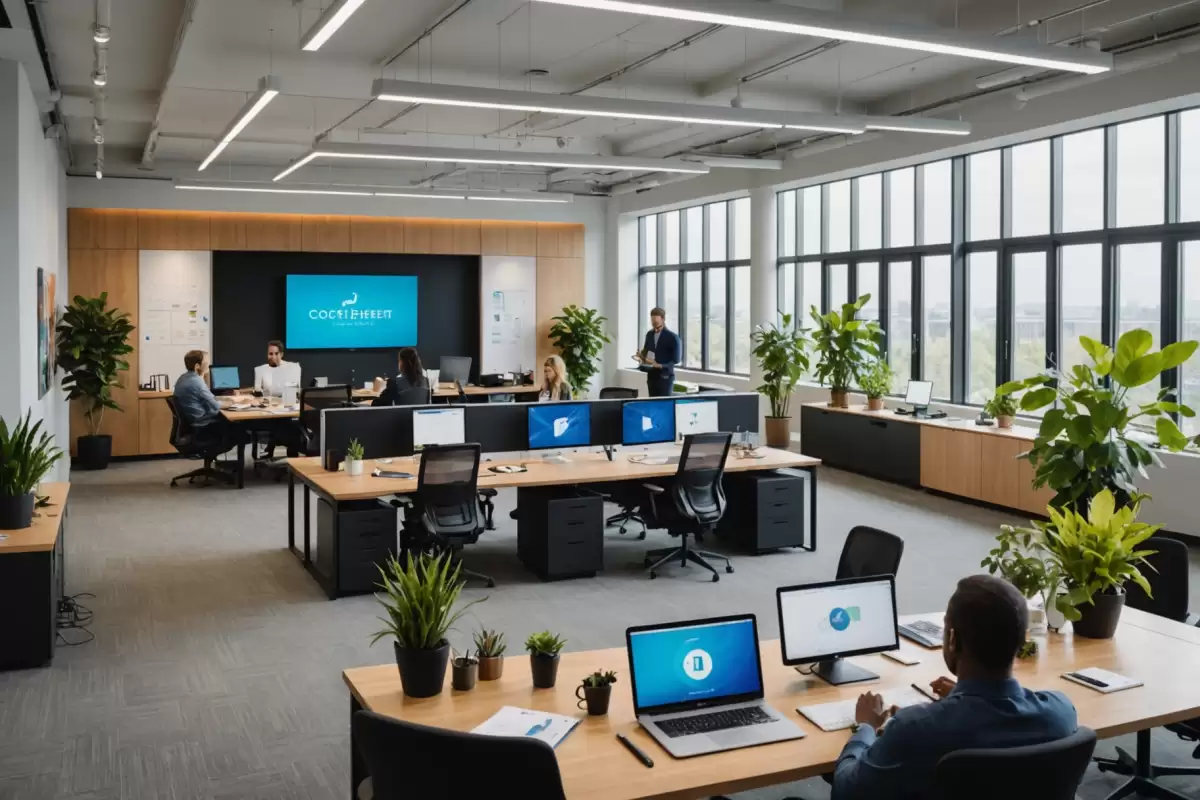
Gone are the days when offices were synonymous with drab cubicles and fluorescent lighting. Today, businesses are embracing a paradigm shift towards adaptive workspaces that prioritize flexibility, creativity, and wellbeing. This evolution is not just about aesthetics; it’s a fundamental change in how we perceive work environments. Adaptive workspaces are designed to cater to the diverse needs of modern professionals, offering a blend of private and collaborative areas that can be reconfigured as required.

The Rise of Hybrid Work Models

The hybrid work model is more than a trend; it’s a revolution. As companies navigate the post-pandemic landscape, the need for flexible work arrangements has never been more apparent. Hybrid models allow employees to split their time between home and the office, creating a balance that fosters productivity and satisfaction. In this context, adaptive workspaces shine, offering the perfect solution for businesses looking to accommodate a dynamic workforce.

Designing for Wellbeing and Productivity

At the heart of adaptive workspaces is a commitment to enhancing employee wellbeing and productivity. These spaces are not just about aesthetics; they’re about creating an environment that supports mental and physical health. From ergonomic furniture to biophilic design elements that bring nature indoors, every detail is crafted to promote a sense of calm and focus.

The Role of Technology

In today’s digital age, technology is a cornerstone of any successful workspace. Adaptive workspaces leverage cutting-edge tech to streamline operations and enhance communication. From smart meeting rooms to integrated collaboration tools, these spaces are equipped to handle the demands of modern business, ensuring that teams can work efficiently and effectively, no matter where they are.

Community and Collaboration: The New Currency

In a world where connections are currency, adaptive workspaces provide a fertile ground for networking and collaboration. These environments are designed to foster interaction, encouraging spontaneous conversations that can lead to groundbreaking ideas. Whether it’s a casual chat over coffee or a structured brainstorming session, the opportunities for collaboration are endless.

The Power of Networking

Networking is no longer confined to formal events; it happens organically in adaptive workspaces. By bringing together professionals from diverse industries, these spaces create a melting pot of ideas and innovation. The result? A thriving community where businesses can grow and succeed together.

A New Perspective on Workspaces

If you’re intrigued by the idea of transforming your workspace into a hub of innovation and growth, you’re not alone. Businesses worldwide are reimagining their office environments, and for good reason. Adaptive workspaces offer a unique blend of flexibility, community, and technology, making them the ideal choice for forward-thinking companies.

For those interested in exploring this concept further, The Crate’s blog post on the benefits of private office suites in Hamilton offers valuable insights. Their approach to flexible office spaces highlights the importance of adaptability in today’s fast-paced business world. You can read more about their innovative solutions here.

Embrace the Future of Work

As we stand on the brink of a new era in office design, it’s clear that adaptive workspaces are more than just a trend—they’re the future. By embracing flexibility, fostering community, and leveraging technology, these spaces are redefining what it means to work. So, why not take the leap and explore the possibilities for yourself? After all, the perfect workspace isn’t just about where you work; it’s about how you work, and more importantly, how it makes you feel.

For an in-depth look at how adaptive workspaces are reshaping the business landscape, check out this comprehensive guide on modern office design. It’s a treasure trove of inspiration and ideas for anyone looking to create a workspace that truly works for them.