
Posts

Embracing Nature: The Sustainable Elegance of Merino Wool

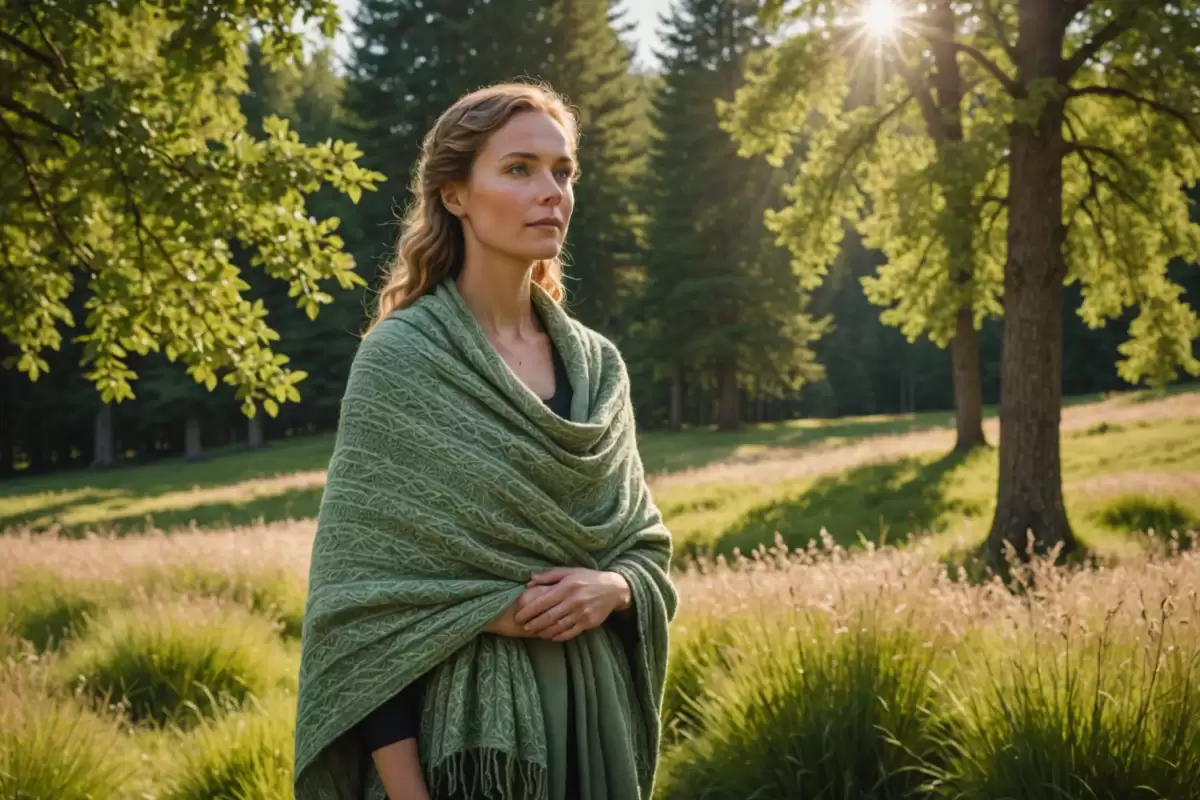
Imagine wrapping yourself in a fabric that feels like a gentle embrace from Mother Nature herself. That’s the magic of Merino wool—a material that’s as much about feeling good as it is about doing good. In a world where fast fashion often steals the spotlight, Merino wool stands as a testament to the elegance of sustainability. But what if I told you that the story of Merino wool is more than just about the fibre? It’s a tale of innovation, community, and a deep-rooted respect for our planet. Let’s dive into the lesser-known facets of this luxurious fibre and discover why it’s capturing the hearts of fashion-forward individuals worldwide.

The Innovation Behind the Fibre

Beyond Traditional Techniques

While Merino wool has been cherished for centuries, the modern approach to its production is nothing short of revolutionary. Today, technology and tradition blend seamlessly to enhance the fibre’s natural properties. Ever heard of smart textiles? These are fabrics that can adapt to your body’s needs, and Merino wool is at the forefront of this innovation. By integrating microcapsules that respond to temperature changes, Merino wool garments can keep you warm in the winter and cool in the summer. It’s like having a personal climate control system woven into your clothes.

A Community Effort

What makes Merino wool truly special is the community that supports it. From the dedicated farmers who nurture the sheep to the skilled artisans who craft the final product, every piece of Merino wool clothing is a labour of love. This sense of community extends to consumers as well. By choosing Merino wool, you’re not just buying a product; you’re supporting a network of individuals committed to ethical and sustainable practices. It’s fashion with a conscience.

The Environmental Impact

A Sustainable Choice

In an era where environmental concerns are at the forefront, Merino wool offers a sustainable alternative to synthetic fibres. Unlike polyester or nylon, Merino wool is biodegradable, meaning it won’t contribute to the growing problem of microplastic pollution. Moreover, the production process itself is designed to minimise environmental impact. From water-efficient dyeing techniques to energy-saving manufacturing processes, every step is taken with the planet in mind.

The Role of Regenerative Agriculture

At the heart of sustainable Merino wool production is regenerative agriculture—a holistic approach to farming that focuses on restoring soil health and biodiversity. By employing practices like rotational grazing and cover cropping, farmers can create a more resilient ecosystem. This not only improves the quality of the wool but also helps combat climate change by sequestering carbon in the soil. It’s a win-win for the environment and the fashion industry.

The Future of Fashion

Embracing Circularity

As we look to the future, the concept of circular fashion is gaining traction. This involves designing products with their entire lifecycle in mind, from production to disposal. Merino wool is uniquely suited to this approach, thanks to its durability and versatility. Garments made from Merino wool are designed to last, reducing the need for frequent replacements. And when they do reach the end of their life, they can be recycled or composted, closing the loop on waste.

A Call to Action

So, why should you care about Merino wool? Because it represents a shift towards a more thoughtful and sustainable fashion industry. By choosing Merino wool, you’re making a statement about your values and supporting a movement that prioritises quality over quantity. If you’re curious to learn more about the journey of sustainable Merino wool, from farm to fashion, check out Lana’s insightful article here. It’s a fascinating read that delves deeper into the practices and philosophies that make this fibre so special.

Discover More

For those who want to dive even deeper into the world of sustainable fashion, the Fashion Revolution website is a treasure trove of information. It’s a global movement that advocates for greater transparency and ethics in the fashion industry. Whether you’re a seasoned fashionista or just starting to explore sustainable options, there’s something for everyone. After all, isn’t it time we all became a little more conscious about what we wear?
Embracing Nature: The Sustainable Elegance of Merino Wool

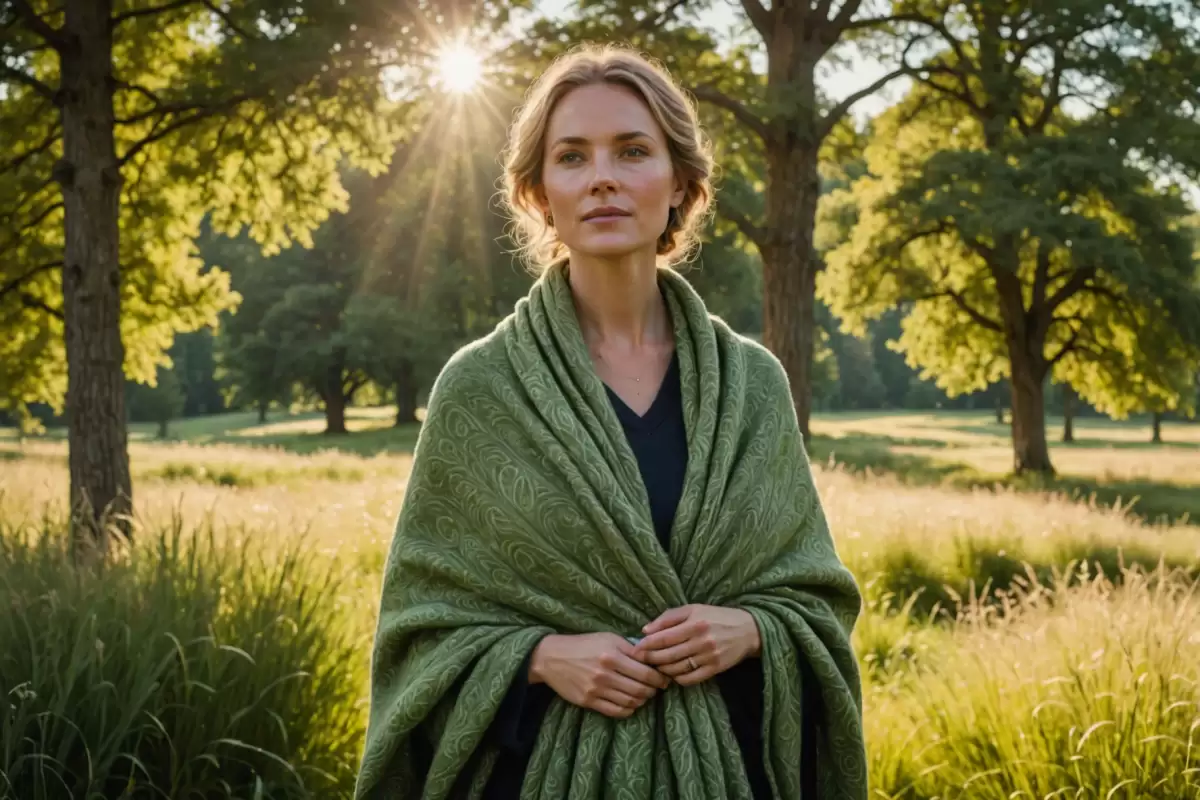
Imagine wrapping yourself in a fabric that feels like a gentle embrace from Mother Nature herself. That’s the magic of Merino wool—a material that’s as much about feeling good as it is about doing good. In a world where fast fashion often steals the spotlight, Merino wool stands as a testament to the elegance of sustainability. But what if I told you that the story of Merino wool is more than just about the fibre? It’s a tale of innovation, community, and a deep-rooted respect for our planet. Let’s dive into the lesser-known facets of this luxurious fibre and discover why it’s capturing the hearts of fashion-forward individuals worldwide.

The Innovation Behind the Fibre

Beyond Traditional Techniques

While Merino wool has been cherished for centuries, the modern approach to its production is nothing short of revolutionary. Today, technology and tradition blend seamlessly to enhance the fibre’s natural properties. Ever heard of smart textiles? These are fabrics that can adapt to your body’s needs, and Merino wool is at the forefront of this innovation. By integrating microcapsules that respond to temperature changes, Merino wool garments can keep you warm in the winter and cool in the summer. It’s like having a personal climate control system woven into your clothes.

A Community Effort

What makes Merino wool truly special is the community that supports it. From the dedicated farmers who nurture the sheep to the skilled artisans who craft the final product, every piece of Merino wool clothing is a labour of love. This sense of community extends to consumers as well. By choosing Merino wool, you’re not just buying a product; you’re supporting a network of individuals committed to ethical and sustainable practices. It’s fashion with a conscience.

The Environmental Impact

A Sustainable Choice

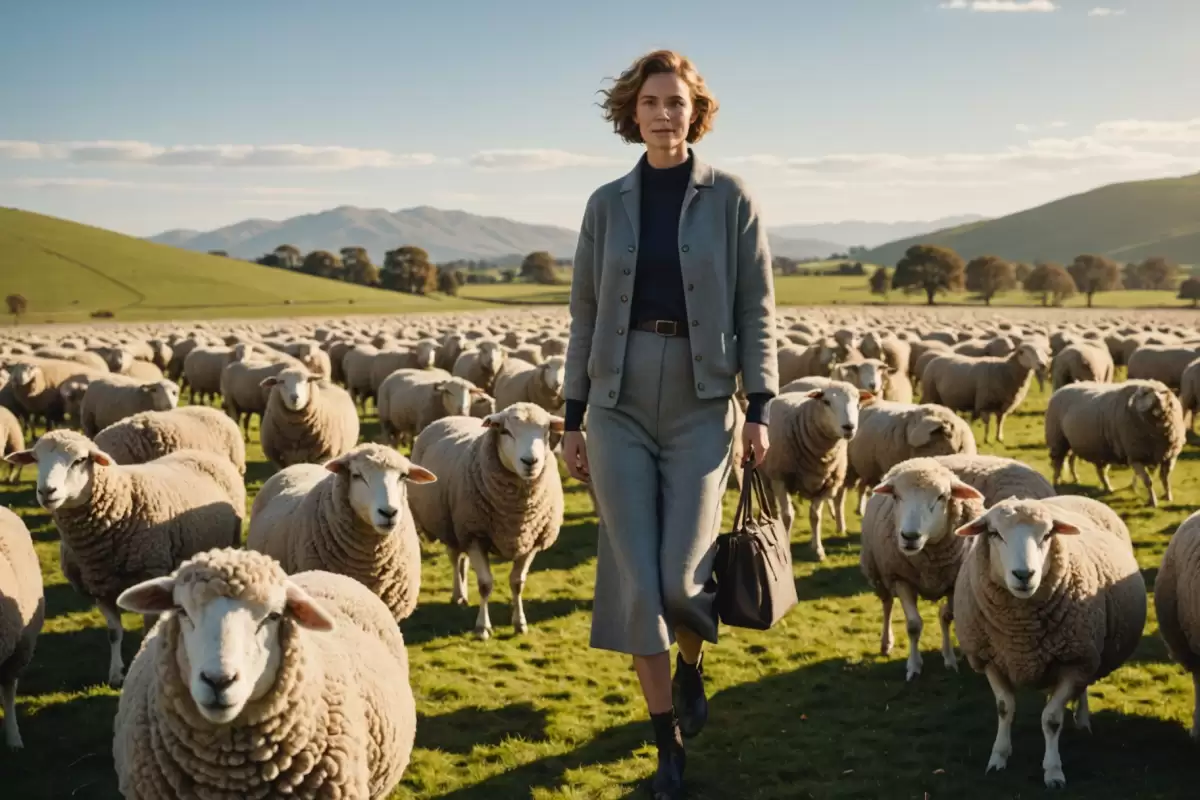
In an era where environmental concerns are at the forefront, Merino wool offers a sustainable alternative to synthetic fibres. Unlike polyester or nylon, Merino wool is biodegradable, meaning it won’t contribute to the growing problem of microplastic pollution. Moreover, the production process itself is designed to minimise environmental impact. From water-efficient dyeing techniques to energy-saving manufacturing processes, every step is taken with the planet in mind.

The Role of Regenerative Agriculture

At the heart of sustainable Merino wool production is regenerative agriculture—a holistic approach to farming that focuses on restoring soil health and biodiversity. By employing practices like rotational grazing and cover cropping, farmers can create a more resilient ecosystem. This not only improves the quality of the wool but also helps combat climate change by sequestering carbon in the soil. It’s a win-win for the environment and the fashion industry.

The Future of Fashion

Embracing Circularity

As we look to the future, the concept of circular fashion is gaining traction. This involves designing products with their entire lifecycle in mind, from production to disposal. Merino wool is uniquely suited to this approach, thanks to its durability and versatility. Garments made from Merino wool are designed to last, reducing the need for frequent replacements. And when they do reach the end of their life, they can be recycled or composted, closing the loop on waste.

A Call to Action

So, why should you care about Merino wool? Because it represents a shift towards a more thoughtful and sustainable fashion industry. By choosing Merino wool, you’re making a statement about your values and supporting a movement that prioritises quality over quantity. If you’re curious to learn more about the journey of sustainable Merino wool, from farm to fashion, check out Lana’s insightful article here. It’s a fascinating read that delves deeper into the practices and philosophies that make this fibre so special.

Discover More

For those who want to dive even deeper into the world of sustainable fashion, the Fashion Revolution website is a treasure trove of information. It’s a global movement that advocates for greater transparency and ethics in the fashion industry. Whether you’re a seasoned fashionista or just starting to explore sustainable options, there’s something for everyone. After all, isn’t it time we all became a little more conscious about what we wear?
Wool’s Renaissance: From Farm to Fashion and Beyond

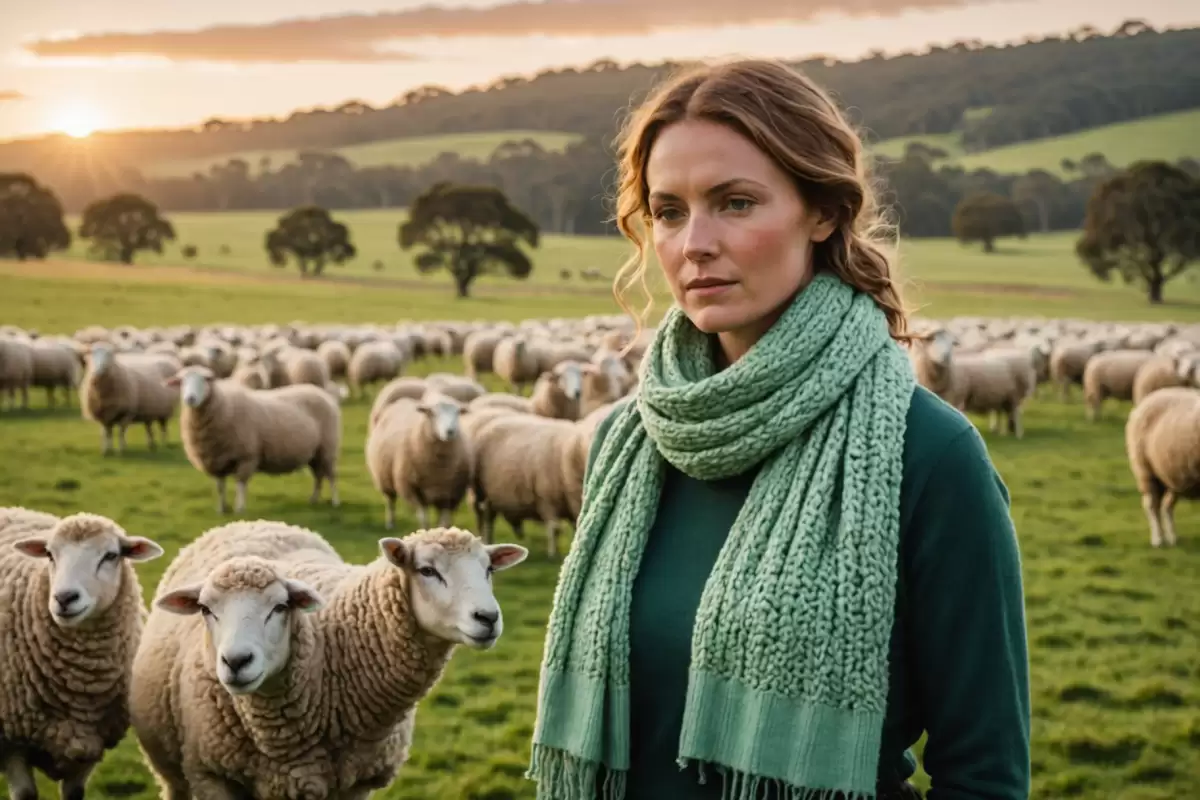
Wool, the timeless fabric that has clothed humanity for centuries, is experiencing a renaissance. From the runways of Paris to the streets of Sydney, this versatile material is making a bold statement. But behind every luxurious wool garment lies a meticulous process that transforms raw fleece into the elegant pieces we adore. Ever wondered what it takes to ensure that the wool in your favorite sweater meets the highest standards? Let’s unravel the journey of wool from farm to fashion, and discover how innovation and tradition are weaving a new narrative for this age-old industry.

The Art of Wool Selection

Selecting the right wool is akin to choosing the perfect wine; it requires a discerning eye and a deep understanding of quality. Wool growers are the unsung heroes in this story, dedicating their lives to nurturing sheep that produce the finest fleece. The process begins with identifying sheep breeds known for their superior wool, such as Merino, which is prized for its softness and durability. But it’s not just about the breed; environmental factors, nutrition, and care all play pivotal roles in determining wool quality. Growers must balance these elements, ensuring their flocks are healthy and their fleece is flawless.

From Fleece to Fabric: The Transformation

Once the wool is shorn, the transformation begins. This is where the magic happens—turning raw fleece into a material that designers covet. The wool undergoes several stages of processing, including washing, carding, and spinning. Each step is crucial in maintaining the integrity of the fibers. Modern technology has revolutionized this process, allowing for greater precision and efficiency. Yet, there remains a touch of artistry in how the wool is handled, ensuring that each strand retains its natural luster and strength.

Embracing Sustainability in Wool Production

In today’s eco-conscious world, sustainability isn’t just a buzzword; it’s a necessity. The wool industry is no exception. From reducing water usage in processing to adopting ethical farming practices, there’s a concerted effort to minimize environmental impact. Innovative techniques, such as regenerative agriculture, are being employed to enhance soil health and biodiversity. This not only benefits the planet but also improves the quality of the wool. By choosing sustainable practices, the wool industry is setting a standard for other sectors to follow.

The Role of Innovation in Wool Fashion

Fashion is ever-evolving, and wool is at the forefront of this evolution. Designers are pushing the boundaries, experimenting with new textures, colors, and blends. The result? Wool garments that are not only stylish but also functional. Think lightweight wool suits that breathe in summer or waterproof wool coats that shield against winter’s chill. This fusion of innovation and tradition is what makes wool a perennial favorite in the fashion world.

Connecting Tradition with Modernity

For those intrigued by the intricacies of wool preparation, Lana’s blog post, Wool Clip Preparation Guide for Australian Wool Growers, offers a deep dive into the traditional methods and modern techniques used by Australian wool growers. It’s a fascinating read that complements our exploration of wool’s journey, providing practical insights for those interested in the behind-the-scenes work that goes into creating high-quality wool products.

The Future of Wool: A Fabric for All Seasons

As we look to the future, wool’s versatility ensures it will remain a staple in our wardrobes. With advancements in technology and a commitment to sustainability, the possibilities are endless. Whether it’s a cozy sweater for a winter evening or a chic dress for a summer outing, wool continues to adapt and inspire. So next time you slip into a wool garment, take a moment to appreciate the journey it has taken—from the pastoral landscapes of Australia to the bustling streets of the fashion capitals.

For those eager to learn more about sustainable practices in the wool industry, the IWTO’s website offers a wealth of information on how wool is leading the charge in eco-friendly fashion.

Merino Wool: The Fabric Revolutionizing Fashion Sustainability and Innovation

Australia’s merino wool is not just a textile; it’s a revolution in the making. Picture this: a fabric so soft and luxurious that it feels like a gentle hug from Mother Nature herself. Now, imagine that this fabric is also a champion of sustainability, a beacon of ethical sourcing, and a testament to the power of innovation. Intrigued? You should be. As the world of fashion continues to evolve, Australian merino wool is at the forefront, reshaping how we think about clothing, comfort, and conscience. Let’s unravel the threads of this fascinating material and discover why it’s capturing the hearts of designers and consumers alike.

The Allure of Merino Wool: More Than Just a Fabric

Merino wool isn’t your average wool. It’s the crème de la crème, the luxury sports car of fabrics. Why? Because it’s incredibly fine, soft, and versatile. Unlike traditional wool, which can be itchy and uncomfortable, merino wool is gentle on the skin, making it perfect for everything from high-end fashion to performance wear. Ever worn a merino wool scarf on a chilly day? It’s like wrapping yourself in a cloud.

But the allure of merino wool goes beyond its physical properties. It’s a fabric that tells a story—a story of heritage, craftsmanship, and innovation. Australian merino wool, in particular, is revered for its superior quality, thanks to the meticulous breeding of merino sheep in the pristine landscapes of Down Under. This dedication to excellence ensures that every fibre is a masterpiece, ready to be woven into garments that are as stylish as they are sustainable.

Sustainability: The New Black in Fashion

In an era where sustainability is more than just a buzzword, Australian merino wool stands out as a shining example of eco-friendly fashion. The wool industry in Australia is committed to practices that respect the environment and the animals that produce this precious fibre. From regenerative farming techniques to ethical animal welfare standards, the journey of merino wool is a testament to the power of conscious consumerism.

This commitment to sustainability is not just a trend; it’s a necessity. As consumers become more aware of the impact of their choices, they’re demanding transparency and accountability from the brands they support. And merino wool delivers on all fronts. It’s biodegradable, renewable, and produced with minimal environmental impact. So, when you choose merino wool, you’re not just choosing a fabric; you’re choosing a future.

The Innovation Behind the Wool

Innovation is the heartbeat of the merino wool industry. As the demand for this luxurious fabric grows, so does the need for continuous improvement and adaptation. The wool industry is investing heavily in research and development, exploring new technologies and techniques to enhance the quality and sustainability of merino wool.

From developing new methods of processing wool to creating innovative blends that enhance its natural properties, the industry is constantly pushing the boundaries of what’s possible. This spirit of innovation ensures that merino wool remains at the cutting edge of fashion, offering consumers a product that is not only beautiful but also groundbreaking.

The Importance of Ethical Sourcing

In a world where fast fashion often takes precedence over quality and ethics, merino wool offers a refreshing alternative. The wool industry in Australia is built on a foundation of trust, transparency, and long-term partnerships. These relationships are crucial in ensuring that the wool is sourced responsibly and ethically.

At Lana, a leader in merino wool sourcing, these values are at the core of their operations. By fostering strong connections with wool growers and processors, Lana ensures that their clients receive the highest quality wool, backed by a transparent and ethical supply chain. If you’re curious about how merino wool is revolutionizing fashion, Lana’s insightful blog post Why Merino Wool Sourcing From Australia Is Revolutionising Fashion offers a deeper dive into this transformative journey.

The Future of Fashion: A Woolly Wonderland

As we look to the future, it’s clear that merino wool is more than just a fabric; it’s a movement. A movement towards a more sustainable, ethical, and innovative fashion industry. With its unparalleled quality, commitment to sustainability, and spirit of innovation, merino wool is setting the standard for what fashion can and should be.

So, the next time you’re shopping for a new sweater or scarf, consider the story behind the fabric. Choose merino wool and be part of a revolution that’s changing the way we think about fashion. For those eager to explore more about sustainable fashion practices, the Fashion Revolution website offers a wealth of information and inspiration. After all, fashion is more than just what we wear; it’s a statement of who we are and what we stand for.