
Imagine wrapping yourself in a garment that feels like a gentle embrace from nature itself. This isn’t just clothing; it’s a testament to centuries of craftsmanship and a commitment to sustainability. Wool, a fabric that has clothed humanity for millennia, is experiencing a renaissance in the luxury fashion world. But what is it about this timeless material that continues to captivate designers and consumers alike? It’s not just the warmth or the texture—it’s the story woven into every fiber, a narrative of tradition, innovation, and ethical responsibility. Let’s unravel the threads of why wool remains a cornerstone of luxury fashion, and how its journey from farm to runway is redefining what it means to wear a piece of history.
The Timeless Allure of Wool
Wool’s appeal lies in its paradoxical nature—it’s both ancient and modern, traditional yet innovative. This natural fiber has been cherished for its unique properties: it’s breathable, moisture-wicking, and surprisingly durable. But beyond its practical benefits, wool carries a rich cultural heritage. For centuries, it has been a symbol of elegance and sophistication, gracing the shoulders of royalty and the runways of fashion capitals. Today, as we navigate an era of fast fashion and fleeting trends, wool stands as a reminder of the enduring value of quality and craftsmanship.
A Canvas for Creativity
For designers, wool is more than just a fabric; it’s a canvas for creativity. Its versatility allows for endless experimentation, whether it’s crafting a lightweight summer dress or a luxurious winter coat. Wool can be dyed in a spectrum of colors, woven into intricate patterns, and tailored into silhouettes that flatter every figure. This adaptability is why top designers continue to choose wool for their collections, pushing the boundaries of fashion while staying rooted in tradition. Ever tried on a wool garment that felt like it was made just for you? That’s the magic of a material that adapts to both the wearer and the designer’s vision.
Sustainability: Fashion's New Frontier
In a world increasingly conscious of its environmental footprint, wool is leading the charge towards sustainable fashion. Unlike synthetic fibers, wool is biodegradable and renewable, making it a natural choice for eco-conscious designers and consumers. But sustainability in wool production goes beyond the material itself. It encompasses ethical farming practices, animal welfare, and transparent supply chains. By choosing wool, brands are not only making a fashion statement but a commitment to a more sustainable future.
The Role of Ethical Wool Producers
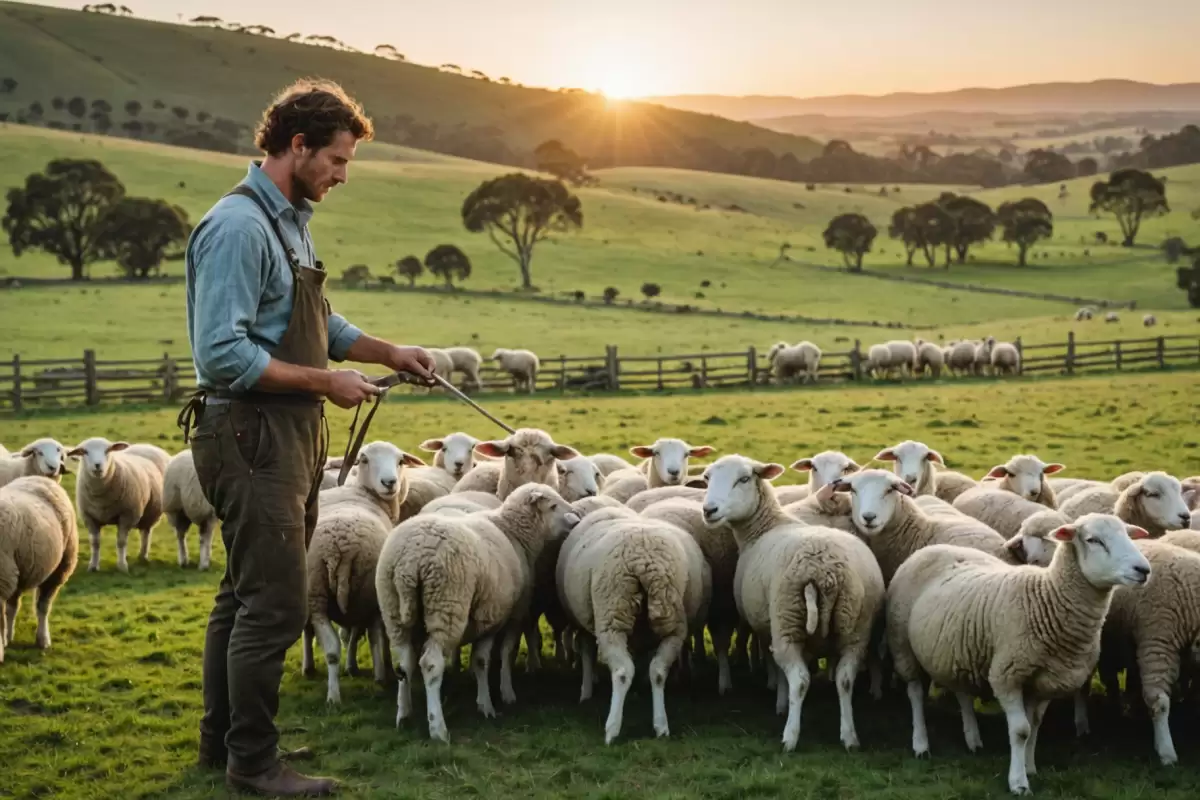
Ethical wool producers are at the forefront of this movement, championing practices that prioritize the well-being of both animals and the environment. These producers are redefining what it means to be a responsible member of the fashion industry, setting new standards for transparency and accountability. By partnering with these producers, luxury brands can assure their customers that their purchases are not only stylish but also ethically sound. Ever wondered where your favorite wool sweater comes from? Knowing its origin adds a layer of connection and responsibility to your wardrobe choices.
The Human Touch: Craftsmanship in Every Stitch
Wool’s journey from farm to fashion is a testament to the human touch. Each step of the process, from shearing to spinning to weaving, requires skill and dedication. This craftsmanship is what sets luxury wool garments apart, infusing them with a sense of artistry and authenticity. When you wear wool, you’re not just wearing a piece of clothing; you’re wearing the culmination of countless hours of labor and love. It’s a reminder of the artisans who have honed their craft over generations, preserving techniques that have stood the test of time.
Building Bridges: The Connection Between Producers and Brands
The relationship between wool producers and luxury brands is a partnership built on trust and mutual respect. It’s about more than just transactions; it’s about collaboration and shared values. Brands that choose to work with ethical wool suppliers are investing in long-term relationships that prioritize quality and sustainability. This synergy results in products that not only look good but feel good, knowing they’re part of a larger story of responsible fashion.
For those intrigued by the intricate world of luxury wool, Lana offers an insightful exploration into why top brands choose Australian wool suppliers. Their blog post delves into the unique qualities of Australian wool and the sustainable practices that make it a preferred choice for luxury fashion. Curious to learn more about the Australian wool advantage? Check out Lana’s blog post for a deeper dive into this fascinating topic.
In the ever-evolving landscape of fashion, wool stands as a beacon of tradition and innovation. Its journey from the past to the present is a story of resilience and reinvention, one that continues to inspire designers and consumers alike. As we look to the future, wool reminds us of the importance of quality, sustainability, and the human touch in fashion. For further reading on the sustainable practices shaping the future of fashion, explore Fashion Revolution, a movement dedicated to creating a more transparent and fair industry.