

Posts

Wool’s Renaissance: Timeless Elegance Meets Sustainable Fashion

Imagine wrapping yourself in a garment that feels like a gentle embrace from nature itself. This isn’t just clothing; it’s a testament to centuries of craftsmanship and a commitment to sustainability. Wool, a fabric that has clothed humanity for millennia, is experiencing a renaissance in the luxury fashion world. But what is it about this timeless material that continues to captivate designers and consumers alike? It’s not just the warmth or the texture—it’s the story woven into every fiber, a narrative of tradition, innovation, and ethical responsibility. Let’s unravel the threads of why wool remains a cornerstone of luxury fashion, and how its journey from farm to runway is redefining what it means to wear a piece of history.

The Timeless Allure of Wool

Wool’s appeal lies in its paradoxical nature—it’s both ancient and modern, traditional yet innovative. This natural fiber has been cherished for its unique properties: it’s breathable, moisture-wicking, and surprisingly durable. But beyond its practical benefits, wool carries a rich cultural heritage. For centuries, it has been a symbol of elegance and sophistication, gracing the shoulders of royalty and the runways of fashion capitals. Today, as we navigate an era of fast fashion and fleeting trends, wool stands as a reminder of the enduring value of quality and craftsmanship.

A Canvas for Creativity

For designers, wool is more than just a fabric; it’s a canvas for creativity. Its versatility allows for endless experimentation, whether it’s crafting a lightweight summer dress or a luxurious winter coat. Wool can be dyed in a spectrum of colors, woven into intricate patterns, and tailored into silhouettes that flatter every figure. This adaptability is why top designers continue to choose wool for their collections, pushing the boundaries of fashion while staying rooted in tradition. Ever tried on a wool garment that felt like it was made just for you? That’s the magic of a material that adapts to both the wearer and the designer’s vision.

Sustainability: Fashion's New Frontier

In a world increasingly conscious of its environmental footprint, wool is leading the charge towards sustainable fashion. Unlike synthetic fibers, wool is biodegradable and renewable, making it a natural choice for eco-conscious designers and consumers. But sustainability in wool production goes beyond the material itself. It encompasses ethical farming practices, animal welfare, and transparent supply chains. By choosing wool, brands are not only making a fashion statement but a commitment to a more sustainable future.

The Role of Ethical Wool Producers

Ethical wool producers are at the forefront of this movement, championing practices that prioritize the well-being of both animals and the environment. These producers are redefining what it means to be a responsible member of the fashion industry, setting new standards for transparency and accountability. By partnering with these producers, luxury brands can assure their customers that their purchases are not only stylish but also ethically sound. Ever wondered where your favorite wool sweater comes from? Knowing its origin adds a layer of connection and responsibility to your wardrobe choices.

The Human Touch: Craftsmanship in Every Stitch

Wool’s journey from farm to fashion is a testament to the human touch. Each step of the process, from shearing to spinning to weaving, requires skill and dedication. This craftsmanship is what sets luxury wool garments apart, infusing them with a sense of artistry and authenticity. When you wear wool, you’re not just wearing a piece of clothing; you’re wearing the culmination of countless hours of labor and love. It’s a reminder of the artisans who have honed their craft over generations, preserving techniques that have stood the test of time.

Building Bridges: The Connection Between Producers and Brands

The relationship between wool producers and luxury brands is a partnership built on trust and mutual respect. It’s about more than just transactions; it’s about collaboration and shared values. Brands that choose to work with ethical wool suppliers are investing in long-term relationships that prioritize quality and sustainability. This synergy results in products that not only look good but feel good, knowing they’re part of a larger story of responsible fashion.

For those intrigued by the intricate world of luxury wool, Lana offers an insightful exploration into why top brands choose Australian wool suppliers. Their blog post delves into the unique qualities of Australian wool and the sustainable practices that make it a preferred choice for luxury fashion. Curious to learn more about the Australian wool advantage? Check out Lana’s blog post for a deeper dive into this fascinating topic.

In the ever-evolving landscape of fashion, wool stands as a beacon of tradition and innovation. Its journey from the past to the present is a story of resilience and reinvention, one that continues to inspire designers and consumers alike. As we look to the future, wool reminds us of the importance of quality, sustainability, and the human touch in fashion. For further reading on the sustainable practices shaping the future of fashion, explore Fashion Revolution, a movement dedicated to creating a more transparent and fair industry.
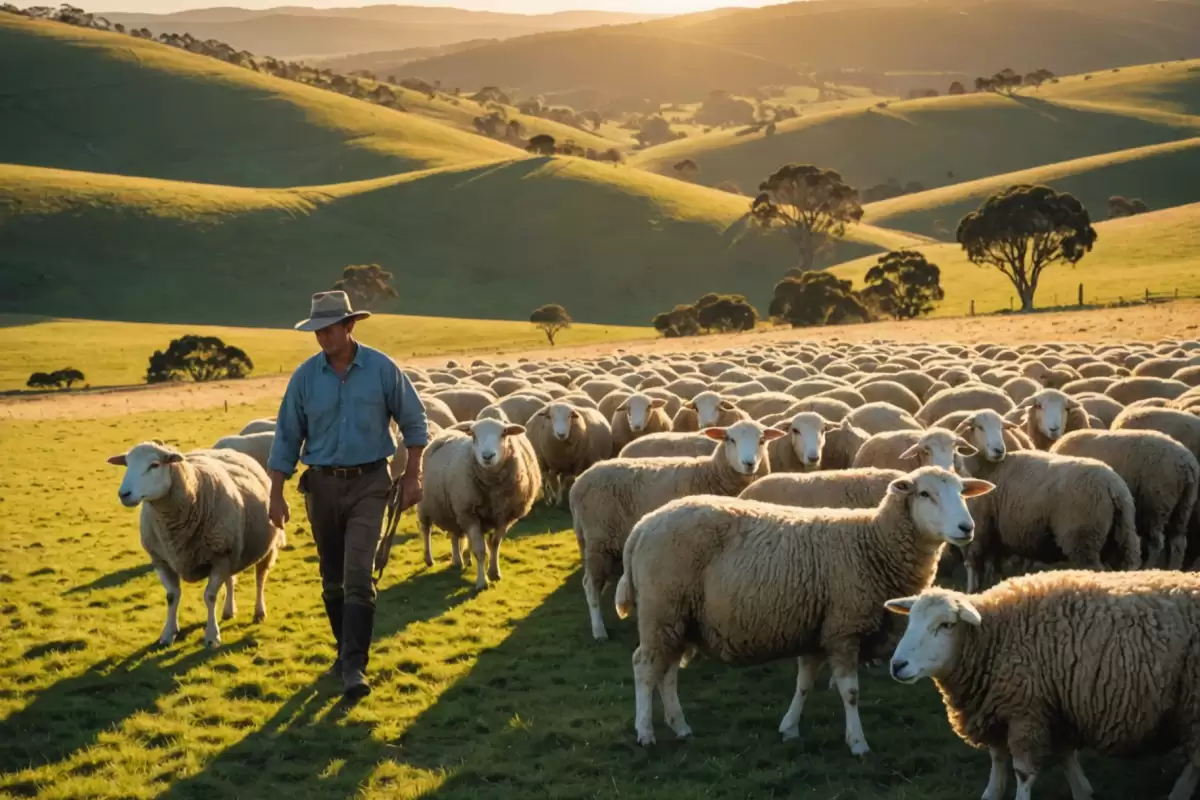
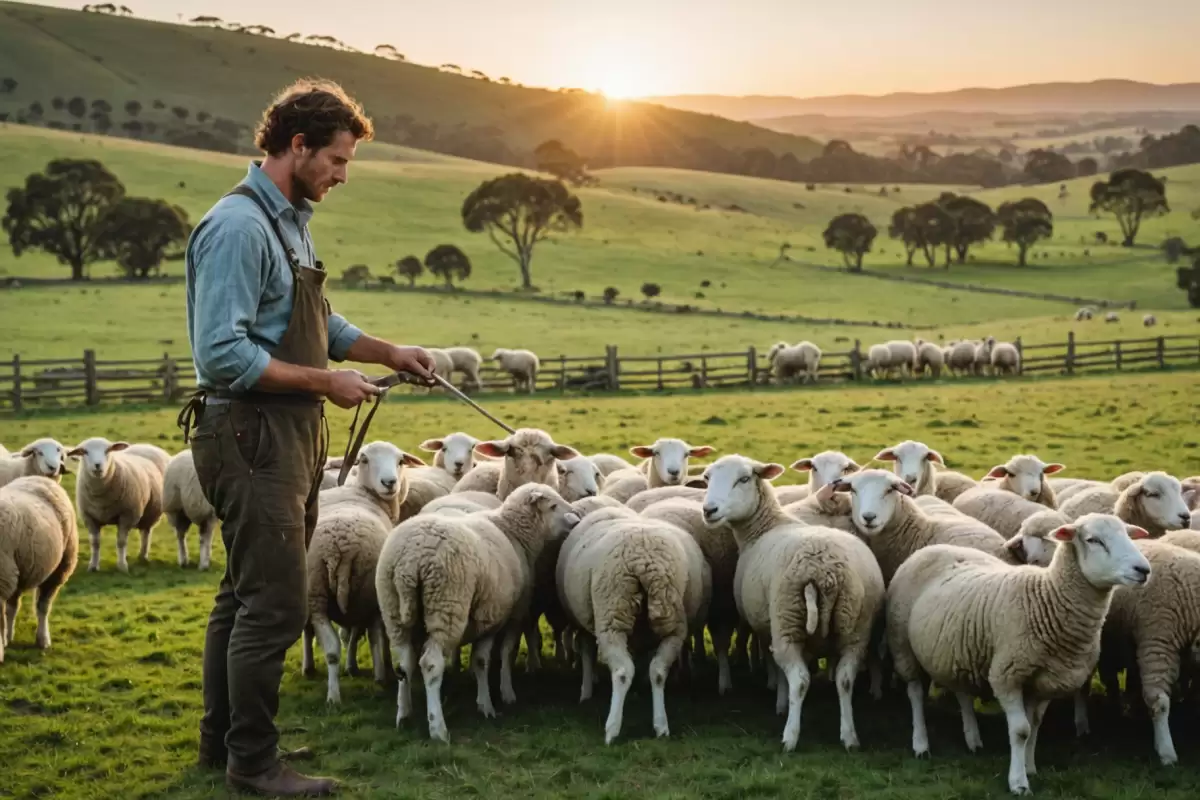
Weaving the Future: Navigating the Intricacies of the Australian Wool Industry

The Australian wool industry is a tapestry of tradition, innovation, and economic intricacies. For those who appreciate the finer things in life, wool is more than just a fabric—it’s a story woven through generations. But how does one navigate this complex market to ensure they’re getting the best quality at a fair price? Let’s unravel the threads of this industry and explore the art of wool buying with a fresh perspective.

The Art of Wool Selection

When it comes to selecting wool, it’s not just about the price tag. It’s about understanding the nuances of quality, sustainability, and market trends. Buyers today are more discerning than ever, seeking not only the softest fibres but also those that align with their values. The art of wool selection involves a delicate balance of these elements, ensuring that every purchase is a conscious decision towards quality and ethics.

Quality Beyond the Micron

While fibre diameter is a key determinant of wool quality, it’s not the only factor. The length, strength, and even the colour of the wool can significantly affect its value. Imagine a world where wool is not just measured by its softness but by its story—where it came from, how it was produced, and the hands that crafted it. This holistic approach to quality is what sets apart the true connoisseurs of wool from the casual buyers.

The Global Dance of Wool Economics

The wool market is a global stage where economic conditions play a pivotal role in shaping prices. But beyond the numbers, there’s a fascinating interplay of cultural and economic factors that influence the market. From the bustling auctions in Australia to the fashion runways of Paris, wool is a commodity that transcends borders and cultures.

The Influence of Fashion Trends

Fashion is a powerful driver of wool demand. As trends shift towards sustainable and natural fibres, wool is experiencing a renaissance. Designers are embracing its versatility and sustainability, creating collections that celebrate its natural beauty. This resurgence in demand is not just about aesthetics; it’s a reflection of a broader societal shift towards conscious consumerism.

Currency Fluctuations and Market Dynamics

Currency exchange rates add another layer of complexity to the wool market. A stronger Australian dollar can make wool more expensive for international buyers, while a weaker currency can boost demand. For buyers, understanding these dynamics is crucial to making informed purchasing decisions. It’s like playing a game of chess where every move counts.

Sustainability: The New Luxury

In today’s world, luxury is no longer just about exclusivity; it’s about sustainability. Consumers are increasingly looking for products that are not only high-quality but also ethically produced. This shift is reshaping the wool industry, with sustainability becoming a key factor in pricing and demand.

Ethical Production and Consumer Trust

Brands that prioritize ethical production are gaining consumer trust and loyalty. This is not just a trend; it’s a movement towards a more transparent and accountable industry. For buyers, choosing ethically produced wool is a way to support sustainable practices and contribute to a better world.

The Environmental Cost of Wool

While wool is a natural and renewable resource, its production can have environmental impacts. From water usage to chemical inputs, the industry is under pressure to adopt more sustainable practices. This push towards sustainability is not just about reducing costs; it’s about preserving the planet for future generations.

Navigating the Wool Market with Confidence

For those looking to dive deeper into the intricacies of the wool market, Lana’s blog post on Australian wool market prices offers a comprehensive guide. It’s a treasure trove of insights on how to secure top-quality fibres and navigate the market with confidence. Whether you’re a seasoned buyer or just starting out, this guide is an invaluable resource that complements the broader discussion on wool.

The Future of Wool: A Tapestry of Possibilities

As we look to the future, the wool industry is poised for exciting developments. From technological innovations in production to new markets emerging in Asia, the possibilities are endless. The key to success lies in staying informed and adaptable, ready to embrace the changes that lie ahead.

For those eager to explore more about the fascinating world of wool, the International Wool Textile Organisation offers an extensive range of resources and insights into the global wool industry. Dive in and discover the rich tapestry of stories and innovations that make wool a timeless treasure.

Unraveling Wool: The Art, Strategy, and Innovation Behind Fashion’s Timeless Fabric

In the bustling world of fashion and lifestyle, where trends shift faster than a Sydney breeze, the wool industry stands as a testament to timeless elegance and sustainability. But beyond the runway and the glossy pages of magazines, there’s an intricate dance of negotiation and strategy that goes into every bale of wool. This isn’t just about fashion; it’s about understanding the art of the deal, the nuances of market dynamics, and the power of relationships. Ever wondered how that luxurious wool sweater made its way from an Australian farm to your favorite boutique? Let’s unravel the threads of this fascinating journey.

The Art of Storytelling in Wool Trading

Wool trading is as much about storytelling as it is about commerce. Each wool clip has a narrative woven into its fibers, from the pastoral landscapes of Australia to the hands that shear and shape it. Growers who can articulate this story often find themselves at an advantage. Why? Because in today’s market, consumers crave authenticity. They want to know the origins of their products, the sustainability practices behind them, and the human touch involved in their creation. By crafting a compelling narrative around their wool, growers can elevate its perceived value, making it more than just a commodity.

Crafting Your Wool Narrative

To begin, understand what makes your wool unique. Is it the heritage of your farm, the sustainable practices you employ, or perhaps the rare breed of sheep you raise? Highlight these aspects in your marketing materials. Use social media to share behind-the-scenes glimpses of life on your farm. Engage with your audience by sharing stories of your daily challenges and triumphs. Remember, in a world saturated with choices, a strong narrative can be your most powerful differentiator.

Building a Brand Beyond the Bale

In the competitive landscape of wool trading, establishing a brand identity is crucial. It’s not just about selling wool; it’s about selling a lifestyle, a set of values, and a promise of quality. Successful growers understand that their brand is a living entity that needs nurturing and evolution.

The Role of Innovation

Innovation plays a pivotal role in brand building. Whether it’s adopting new shearing techniques, experimenting with eco-friendly dyes, or exploring partnerships with fashion designers, innovation keeps your brand fresh and relevant. It signals to buyers that you’re not just resting on your laurels but actively seeking ways to improve and adapt.

The Power of Partnerships

In the wool industry, as in life, it’s often who you know that counts. Building strong partnerships with buyers, brokers, and even other growers can open doors to new opportunities. Collaboration can lead to the sharing of resources, insights, and networks, all of which can enhance your market position.

Networking Tips for Growers

Attend industry events, participate in online forums, and don’t shy away from reaching out to potential partners. Be proactive in your communication, and always follow up on meetings with a thank-you note or a quick call. These small gestures can leave a lasting impression and pave the way for fruitful collaborations.

Embracing the Digital Revolution

The digital age has transformed every industry, and wool trading is no exception. From online marketplaces to virtual auctions, technology offers new avenues for reaching buyers and expanding your market reach. Embrace these tools to streamline your operations and enhance your visibility.

Leveraging Social Media

Platforms like Instagram and Facebook aren’t just for selfies and food pics; they’re powerful tools for showcasing your wool and connecting with a global audience. Use them to share your brand’s story, engage with followers, and even conduct market research. Ever tried hosting a live Q&A session about your wool? It’s a game-changer!

Discover More About Wool Trading

If you’re eager to dive deeper into the world of wool trading negotiation, the blog post by Lana offers a wealth of insights specifically tailored for Australian growers. It’s a treasure trove of strategies and tips that can help you navigate the complexities of the market and secure the best deals for your wool. Check it out here.

Final Thoughts

Wool trading is a multifaceted journey that blends tradition with innovation, storytelling with strategy. By embracing these elements, growers can not only enhance the value of their wool but also contribute to a more sustainable and ethical industry. Ready to explore more about sustainable practices in the wool industry? Dive into this comprehensive guide that offers valuable insights and practical tips for making a positive impact.