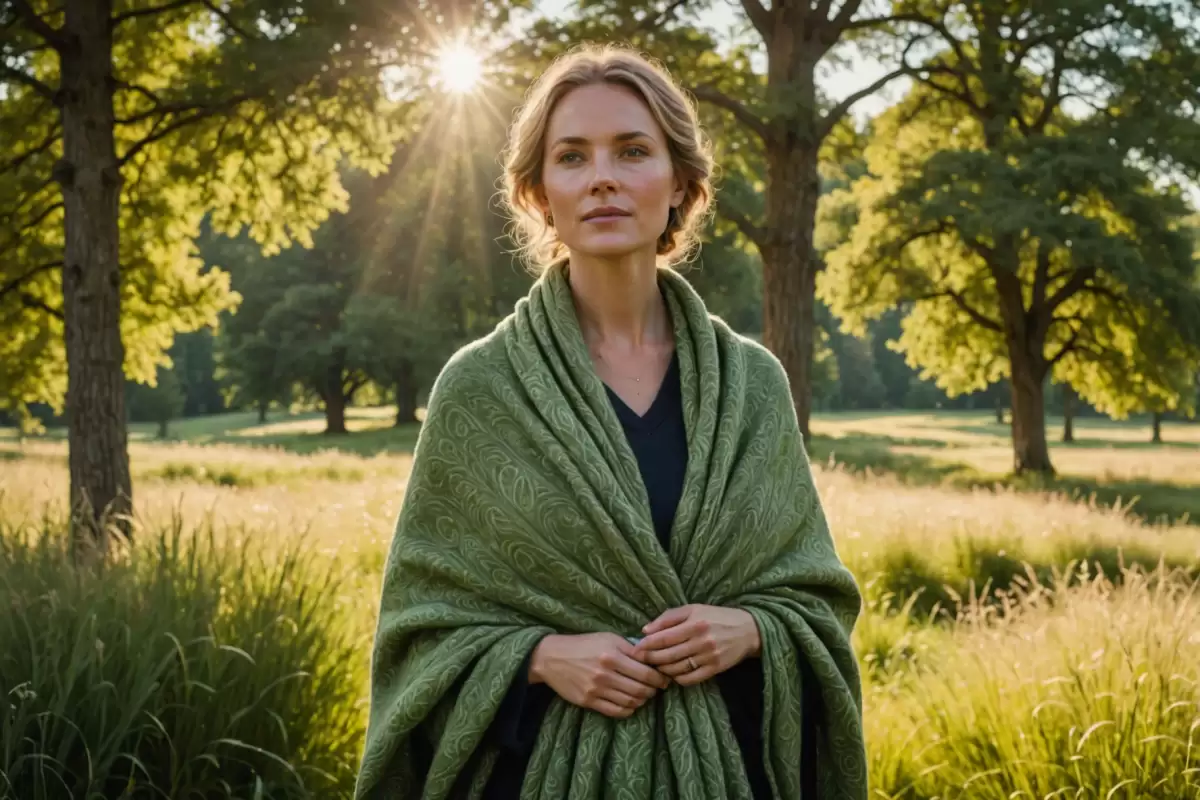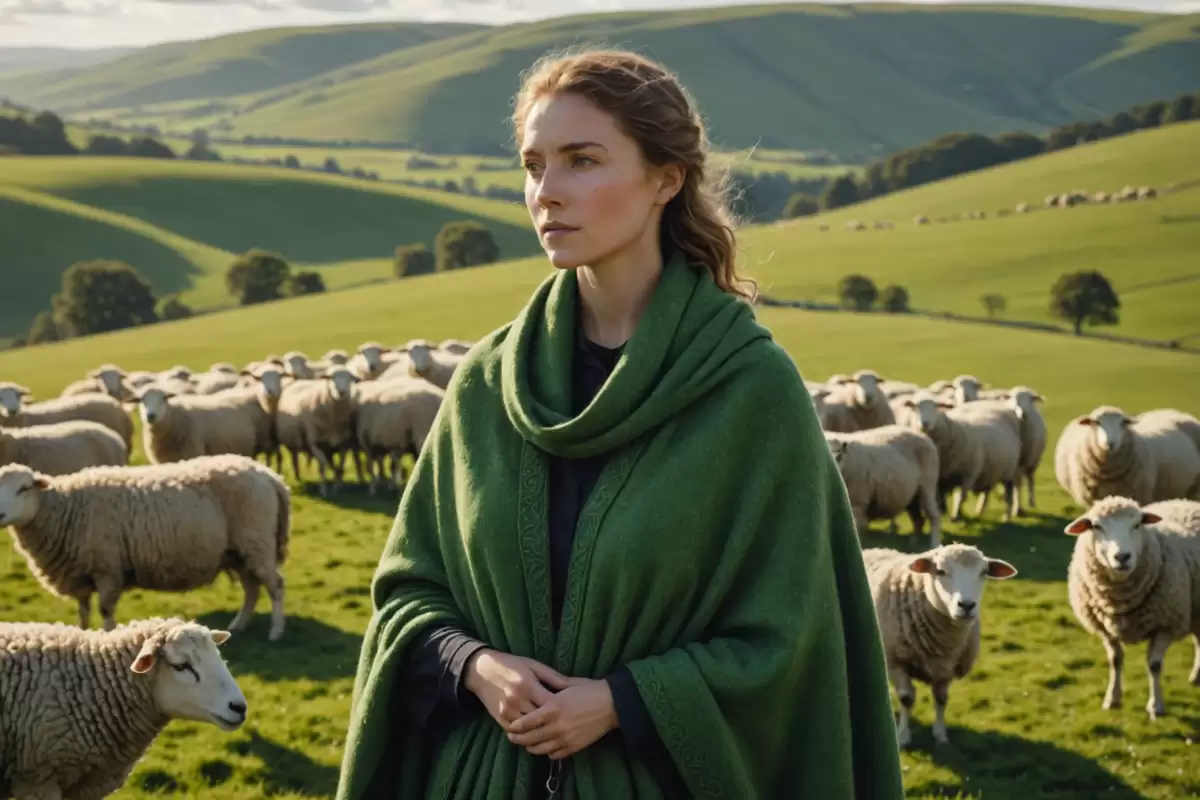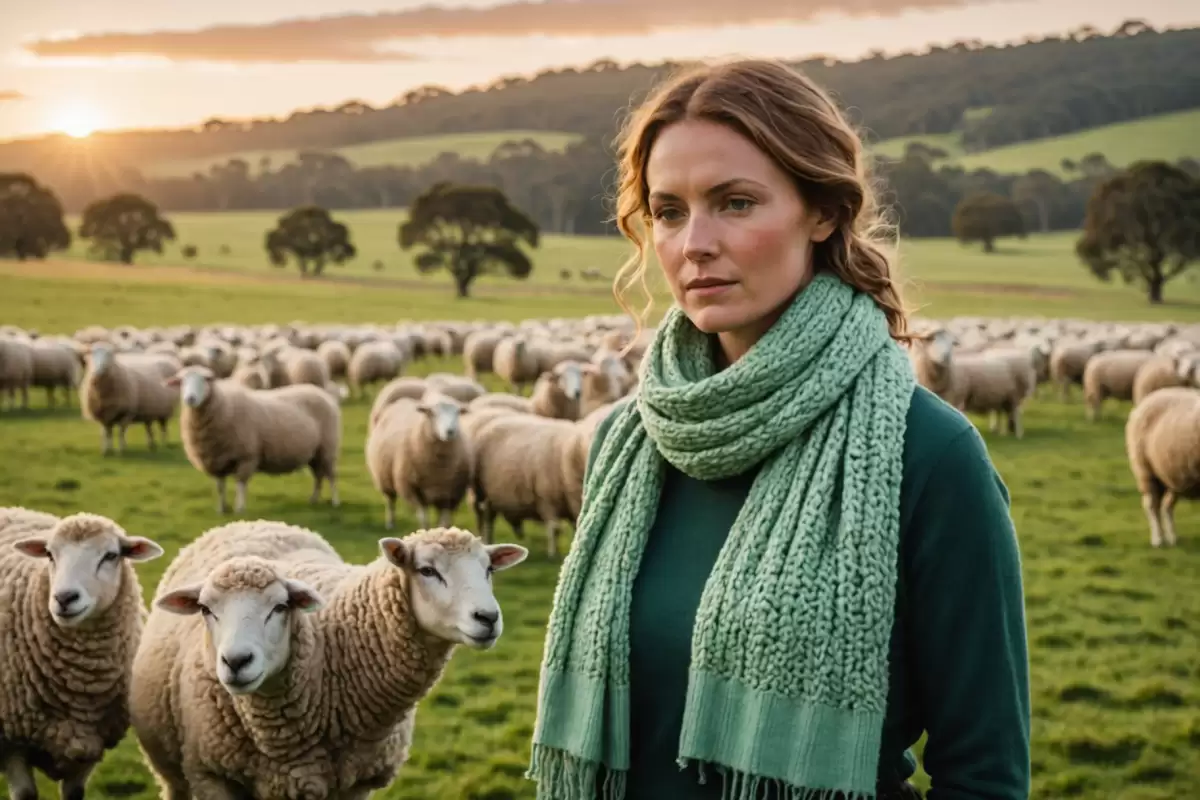
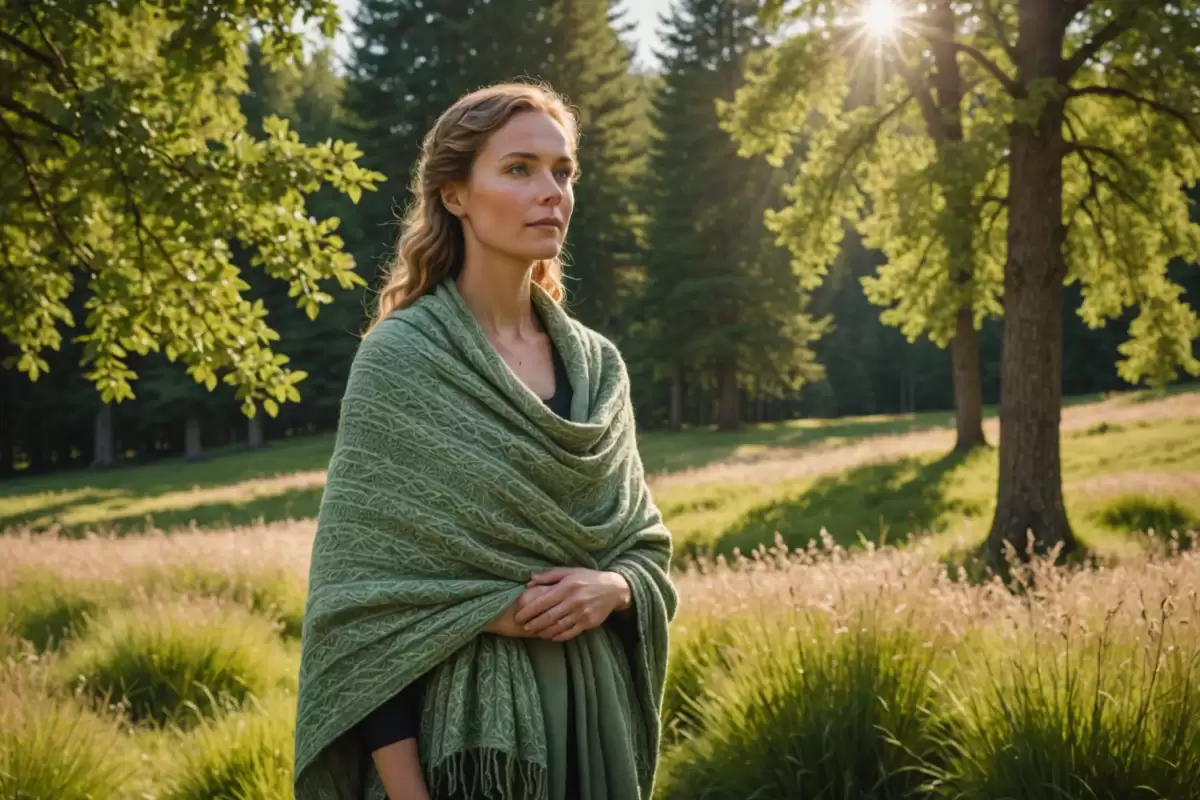
Imagine wrapping yourself in a fabric that feels like a gentle embrace from Mother Nature herself. That’s the magic of Merino wool—a material that’s as much about feeling good as it is about doing good. In a world where fast fashion often steals the spotlight, Merino wool stands as a testament to the elegance of sustainability. But what if I told you that the story of Merino wool is more than just about the fibre? It’s a tale of innovation, community, and a deep-rooted respect for our planet. Let’s dive into the lesser-known facets of this luxurious fibre and discover why it’s capturing the hearts of fashion-forward individuals worldwide.
The Innovation Behind the Fibre
Beyond Traditional Techniques
While Merino wool has been cherished for centuries, the modern approach to its production is nothing short of revolutionary. Today, technology and tradition blend seamlessly to enhance the fibre’s natural properties. Ever heard of smart textiles? These are fabrics that can adapt to your body’s needs, and Merino wool is at the forefront of this innovation. By integrating microcapsules that respond to temperature changes, Merino wool garments can keep you warm in the winter and cool in the summer. It’s like having a personal climate control system woven into your clothes.
A Community Effort
What makes Merino wool truly special is the community that supports it. From the dedicated farmers who nurture the sheep to the skilled artisans who craft the final product, every piece of Merino wool clothing is a labour of love. This sense of community extends to consumers as well. By choosing Merino wool, you’re not just buying a product; you’re supporting a network of individuals committed to ethical and sustainable practices. It’s fashion with a conscience.
The Environmental Impact
A Sustainable Choice
In an era where environmental concerns are at the forefront, Merino wool offers a sustainable alternative to synthetic fibres. Unlike polyester or nylon, Merino wool is biodegradable, meaning it won’t contribute to the growing problem of microplastic pollution. Moreover, the production process itself is designed to minimise environmental impact. From water-efficient dyeing techniques to energy-saving manufacturing processes, every step is taken with the planet in mind.
The Role of Regenerative Agriculture
At the heart of sustainable Merino wool production is regenerative agriculture—a holistic approach to farming that focuses on restoring soil health and biodiversity. By employing practices like rotational grazing and cover cropping, farmers can create a more resilient ecosystem. This not only improves the quality of the wool but also helps combat climate change by sequestering carbon in the soil. It’s a win-win for the environment and the fashion industry.
The Future of Fashion
Embracing Circularity
As we look to the future, the concept of circular fashion is gaining traction. This involves designing products with their entire lifecycle in mind, from production to disposal. Merino wool is uniquely suited to this approach, thanks to its durability and versatility. Garments made from Merino wool are designed to last, reducing the need for frequent replacements. And when they do reach the end of their life, they can be recycled or composted, closing the loop on waste.
A Call to Action
So, why should you care about Merino wool? Because it represents a shift towards a more thoughtful and sustainable fashion industry. By choosing Merino wool, you’re making a statement about your values and supporting a movement that prioritises quality over quantity. If you’re curious to learn more about the journey of sustainable Merino wool, from farm to fashion, check out Lana’s insightful article here. It’s a fascinating read that delves deeper into the practices and philosophies that make this fibre so special.
Discover More
For those who want to dive even deeper into the world of sustainable fashion, the Fashion Revolution website is a treasure trove of information. It’s a global movement that advocates for greater transparency and ethics in the fashion industry. Whether you’re a seasoned fashionista or just starting to explore sustainable options, there’s something for everyone. After all, isn’t it time we all became a little more conscious about what we wear?