
Posts

Reviving History: The Art and Future of Adaptive Reuse in Modern Architecture

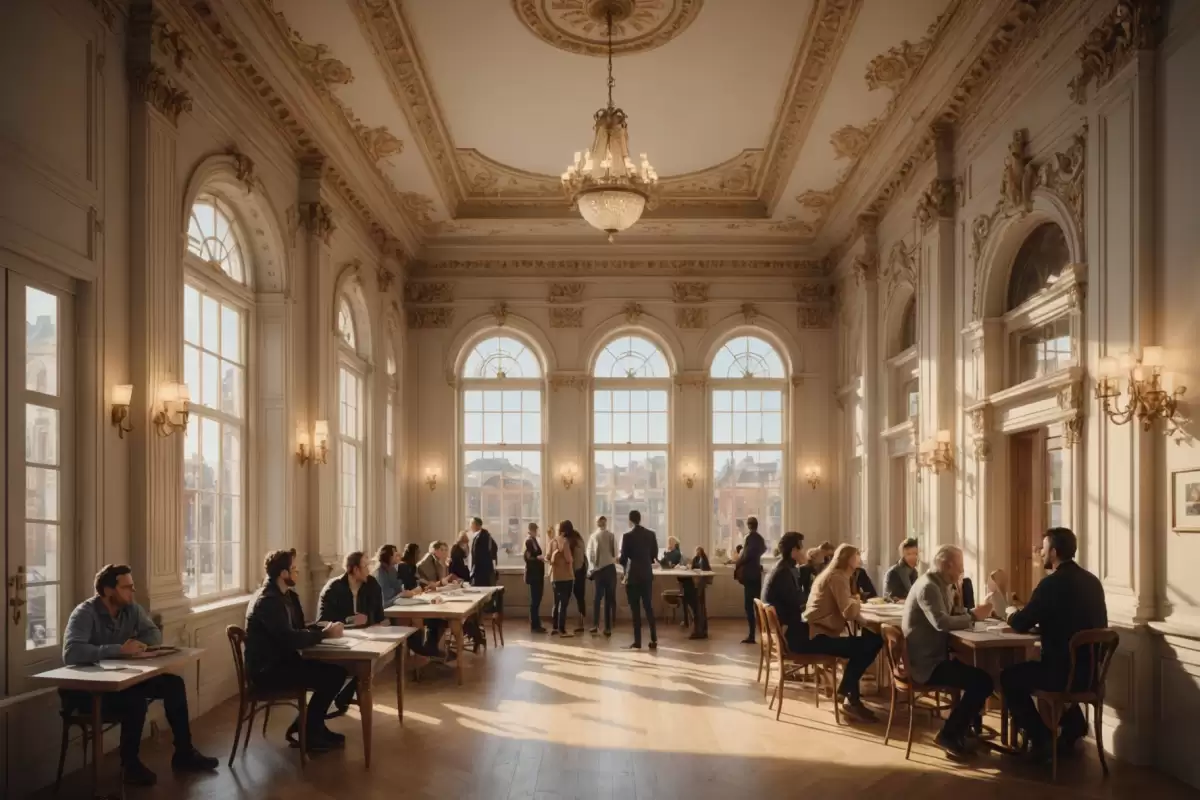
Imagine walking through a grand old building, with its ornate cornices and intricate woodwork whispering tales of a bygone era. Now, picture breathing new life into such a structure without losing its soul. This is the art of adaptive reuse—a concept that’s gaining traction in the world of architecture and design. It’s not just about preserving history; it’s about reimagining spaces to meet today’s needs while honoring their past. But how exactly does one strike this delicate balance, and why is it becoming a trendsetter in modern construction?

The Rise of Adaptive Reuse

Adaptive reuse is more than just a buzzword; it’s a sustainable approach to urban development. As cities grow and evolve, the pressure to preserve historical buildings while accommodating modern needs has never been greater. Instead of demolishing and rebuilding, adaptive reuse offers a creative solution: repurposing old structures for new uses. Think of an old factory transformed into chic loft apartments or a historic church becoming a vibrant community center. This approach not only conserves resources but also retains the cultural fabric of a place. Ever walked into a trendy café housed in a former fire station? That’s adaptive reuse at its finest.

Challenges of Breathing New Life into Old Structures

While the concept sounds romantic, the execution is anything but simple. One of the main challenges is maintaining the structural integrity of the original building while integrating modern amenities. This often involves a meticulous process of retrofitting, which can be both time-consuming and costly. Moreover, there’s the challenge of meeting current building codes and accessibility standards without compromising the historical essence of the structure. It’s a bit like walking a tightrope—one wrong move, and the whole project could lose its charm.

Creative Solutions in Adaptive Reuse

The beauty of adaptive reuse lies in its potential for innovation. Architects and designers are constantly coming up with ingenious ways to blend the old with the new. For instance, installing a glass atrium in a centuries-old building can flood the space with natural light while preserving its historical façade. Or consider using modern materials that mimic traditional ones, ensuring that new additions are in harmony with the original structure. It’s all about finding that sweet spot where history and modernity coexist seamlessly. Ever tried this yourself? It’s a game-changer!

The Role of Community and Collaboration

Adaptive reuse is not a solitary endeavor; it’s a collaborative process that often involves community engagement. Local residents, historians, and architects come together to ensure that the project reflects the community’s identity and values. Public consultations and workshops can provide valuable insights and foster a sense of ownership among locals. After all, these buildings are more than just bricks and mortar; they’re part of the community’s heritage. And when everyone’s on board, the result is a space that’s not only functional but also cherished by those who use it.

Linking to Heritage Construction

If you’re fascinated by the complexities of preserving history while embracing the future, you’ll find Magico Constructions’ insights on heritage construction invaluable. Their blog post, Heritage Construction Projects: How to Navigate the Complexities, delves deep into the intricacies of restoring historical buildings. It’s a must-read for anyone interested in the delicate art of balancing modern needs with historical integrity. Whether you’re an architect, a developer, or just someone who appreciates the beauty of old buildings, their expertise offers a fresh perspective on this challenging yet rewarding field.

Looking Ahead: The Future of Adaptive Reuse

As we move towards a more sustainable future, the trend of adaptive reuse is likely to gain even more momentum. It’s a testament to human creativity and ingenuity, proving that we can honor the past while building for the future. By embracing this approach, we’re not just preserving buildings; we’re preserving stories, memories, and identities. And isn’t that what makes a place truly special?

For those eager to explore further, check out ArchDaily’s comprehensive guide on adaptive reuse projects worldwide. It’s packed with inspiring examples and expert insights that’ll leave you itching to embark on your own adaptive reuse journey.

Stepping out of a uniform and into a new chapter of life can be as thrilling as it is daunting. For many veterans, the transition from military to civilian life is akin to stepping into an entirely new world, full of uncharted territories and endless possibilities. It’s a journey that beckons with opportunities for reinvention but also requires navigating the complexities of identity, purpose, and belonging. While the path is unique for each individual, the universal quest remains: how to craft a fulfilling life beyond the call of duty.

Rediscovering Identity and Purpose

Leaving the military often means leaving behind a clearly defined role and a sense of purpose that was intricately tied to service. This can be both liberating and unsettling. The key to a successful transition lies in rediscovering who you are beyond the uniform. What are your passions? What drives you? This is the time to explore interests that may have been sidelined during service. Whether it’s diving into art, exploring entrepreneurship, or volunteering for causes close to your heart, the possibilities are endless.

Embracing Change with an Open Mind

Change is the only constant, and embracing it with an open mind can make all the difference. Transitioning veterans have the unique opportunity to redefine success on their terms. This might mean pursuing a career in a completely different field or even going back to school. The world is your oyster, and the skills honed in the military—discipline, resilience, leadership—are invaluable assets in any endeavor.

Building New Connections

One of the most challenging aspects of transitioning is the shift from a tightly-knit community to a more individualistic society. The camaraderie of the military is hard to replicate, but building new connections is essential. Engaging with local community groups, professional networks, or even online forums can provide a sense of belonging and support. Remember, every new connection is a potential ally in your journey.

The Power of Mentorship

Finding a mentor who understands the nuances of military transition can be incredibly beneficial. Mentors provide guidance, share experiences, and offer insights that can help navigate the complexities of civilian life. They can be a sounding board for ideas and a source of encouragement when the going gets tough.

Financial Planning for the Future

Financial stability is a cornerstone of a successful transition. It’s crucial to reassess your financial goals and create a plan that aligns with your new lifestyle. This might involve budgeting, saving, or even investing in further education. Consulting with a financial advisor can provide clarity and ensure you’re on the right track.

Leveraging Military Benefits

Don’t forget to explore the benefits available to veterans. These can include educational grants, healthcare, and housing assistance. Understanding and utilizing these resources can ease the financial burden and open doors to new opportunities.

The Role of Mental Health

Transitioning from military to civilian life is not just a physical shift but an emotional one as well. It’s important to acknowledge the psychological impact of such a significant change. Seeking support from mental health professionals, engaging in mindfulness practices, or even joining veteran support groups can provide the necessary tools to maintain mental well-being.

Mindfulness and Self-Care

Incorporating mindfulness and self-care into your routine can help manage stress and promote a positive mindset. Whether it’s through meditation, yoga, or simply taking time for yourself, these practices can be transformative. Ever tried a morning meditation? It’s a game-changer!

A New Chapter Awaits

The journey from military to civilian life is a unique adventure filled with challenges and triumphs. It’s an opportunity to redefine who you are and what you want from life. For those seeking guidance on this path, Ironside Resources offers invaluable insights and support. Their article, Transitioning Out Of The ADF With Confidence And Clarity, delves into the emotional and practical aspects of this transition, providing a comprehensive guide for veterans ready to embrace a new chapter.

As you embark on this journey, remember that every step you take is a step toward a future filled with possibilities. For further reading on navigating life transitions, check out this insightful resource on personal development. It’s a treasure trove of strategies for growth and adaptation, perfect for anyone ready to embrace change.