
Posts

The Future of Work: Embracing Flexible, Creative, and Community-Driven Spaces

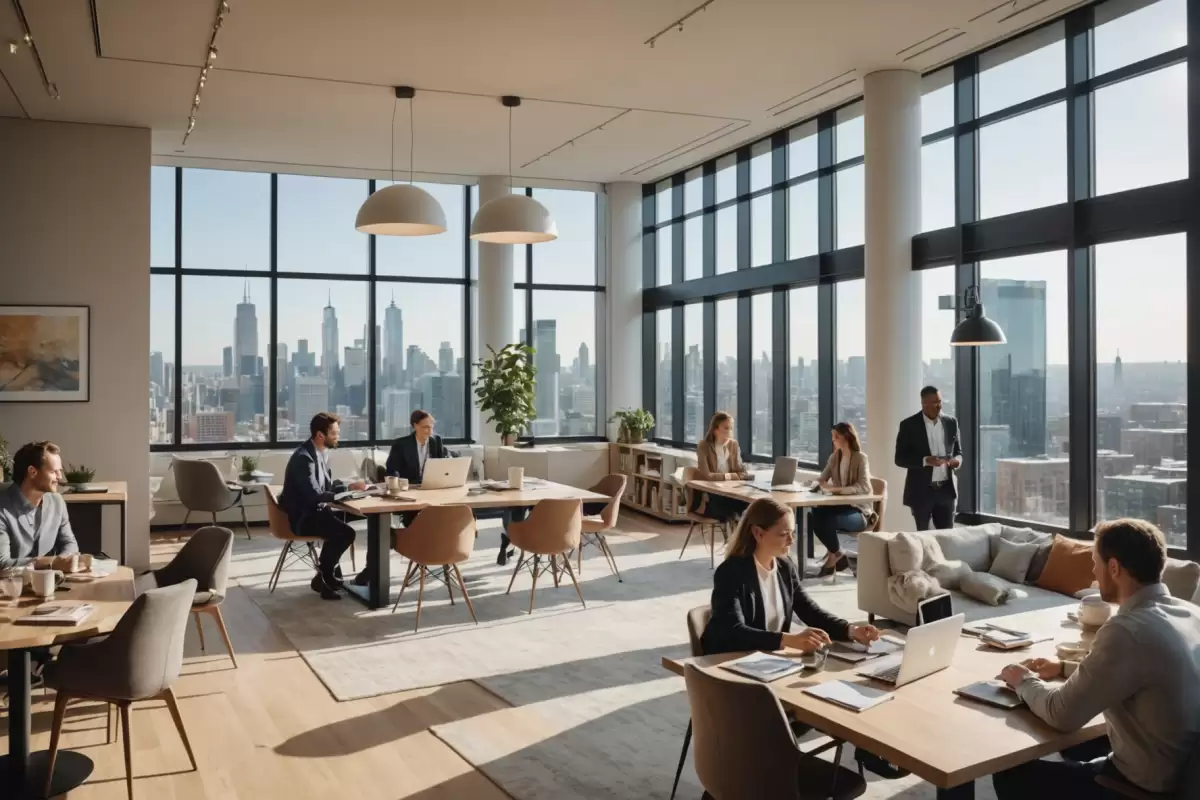
In the bustling world of business, where innovation is the name of the game, the spaces we work in are transforming at lightning speed. Imagine stepping into an office that’s more like a chic café than a cubicle farm. Picture a place where ideas flow as freely as the artisanal coffee. Welcome to the future of workspaces—where flexibility, creativity, and community converge to redefine how we work and live. But what drives this shift, and why are so many businesses and professionals flocking to these dynamic environments?

The Rise of Hybrid Work Models

The traditional nine-to-five grind is slowly becoming a relic of the past. In its place, hybrid work models are taking center stage, offering a blend of remote and in-office work that caters to modern lifestyles. This shift isn’t just about convenience; it’s about creating a work-life balance that enhances productivity and well-being. Flexible office spaces are at the heart of this transformation, providing the infrastructure needed to support a hybrid workforce. These spaces are designed to be adaptable, offering a variety of settings that cater to different work styles and tasks.

The Flexibility Factor

Flexibility is more than just a buzzword; it’s a necessity in today’s fast-paced world. Businesses need to be agile, ready to pivot at a moment’s notice. Flexible office spaces offer this agility, allowing companies to scale up or down without the constraints of long-term leases. This adaptability is particularly appealing to startups and small businesses that are navigating the unpredictable waters of growth. With the ability to choose from a range of workspace options, from hot desks to private offices, businesses can tailor their environment to suit their needs.

Designing for Creativity and Collaboration

Gone are the days of drab, uninspiring office layouts. Today’s workspaces are vibrant, creative hubs designed to inspire innovation and collaboration. The open-plan designs, breakout areas, and communal kitchens found in flexible office spaces encourage spontaneous interactions and idea-sharing. This design philosophy is rooted in the belief that creativity thrives in environments where people feel comfortable and connected. Ever tried brainstorming with a colleague over a cup of coffee in a cozy lounge? It’s a whole new ball game!

The Role of Technology

Technology plays a pivotal role in enabling the modern workspace. High-speed internet, state-of-the-art meeting rooms, and seamless connectivity are just the beginning. Many flexible office spaces are equipped with smart technology that enhances the user experience, from app-based room bookings to virtual collaboration tools. This tech-savvy approach ensures that businesses can operate efficiently and effectively, no matter where their team members are located.

Building a Community of Innovators

One of the most compelling aspects of flexible office spaces is the sense of community they foster. These environments are more than just places to work; they’re ecosystems where like-minded professionals come together to share ideas, collaborate on projects, and support each other’s growth. This community aspect is particularly valuable for freelancers and entrepreneurs who might otherwise feel isolated. By working alongside other driven individuals, they gain access to a network of potential collaborators and mentors.

The Crate: A Hub for Forward-Thinking Professionals

If you’re intrigued by the idea of working in a space that combines flexibility, creativity, and community, look no further than The Crate. Their flexible office space near Cambridge is designed to meet the needs of growth-focused business owners and professionals. With state-of-the-art facilities and a vibrant community, The Crate offers an environment where innovation thrives. To learn more about the benefits of flexible office spaces and why they’re the future of work, check out their insightful blog post here.

Embracing the Future of Work

As we move forward into an era defined by change, the way we work will continue to evolve. Flexible office spaces are more than just a trend; they’re a reflection of the changing nature of work and the needs of today’s professionals. By embracing these dynamic environments, businesses can position themselves for success in an increasingly unpredictable world. So, are you ready to step into the future of work and join a community of innovators?

For further reading on how flexible workspaces are shaping the future, check out this Harvard Business Review article that delves into the evolving landscape of office environments.
The Future of Workspaces: Embracing Flexibility and Community

In a world where the lines between work and play blur more each day, the concept of where we work is evolving just as quickly as the technology we use. Gone are the days when the office was a static place, a second home of sorts, where we spent the bulk of our waking hours. Today, the office is a dynamic space that adapts to our needs, much like our favorite pair of jeans—comfortable yet stylish, flexible yet supportive. But what if the office could be more than just a place to work? What if it could be a catalyst for creativity and growth? Welcome to the future of workspaces, where flexibility isn’t just a perk—it’s a necessity.

The Rise of Hybrid Work Environments

The hybrid work model is no longer a trend; it’s the new normal. As businesses navigate the post-pandemic landscape, they’re realizing that flexibility in work environments is not just a nice-to-have but a must-have. Employees crave the freedom to choose where and how they work best. For some, that means the comfort of their home office; for others, it’s the buzz of a shared workspace. The key is balance—offering a mix of both to foster productivity and satisfaction.

Why Hybrid is Here to Stay

Hybrid work environments offer the best of both worlds. They provide the structure and social interaction of a traditional office while allowing the flexibility to work remotely. This model not only boosts employee morale but also attracts top talent who value work-life balance. Plus, businesses can reduce overhead costs by downsizing their physical office space, investing instead in technology and resources that support remote work.

Designing Spaces That Inspire

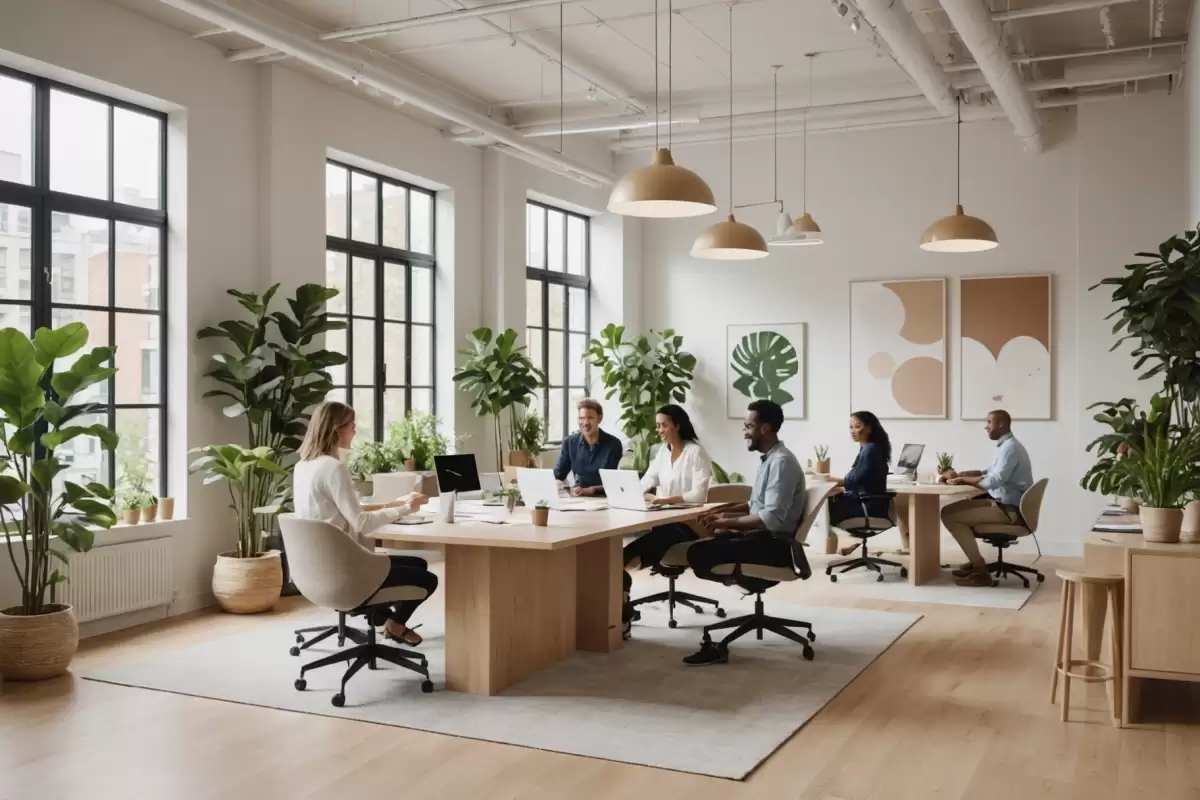
The design of a workspace can significantly impact creativity and productivity. Imagine walking into an office that feels more like a boutique hotel lobby than a cubicle farm. The lighting is perfect, the furniture is ergonomic, and the atmosphere is buzzing with energy. These are the spaces that inspire innovation and foster collaboration.

Elements of an Inspiring Workspace

To create a workspace that truly inspires, consider incorporating elements like natural light, open layouts, and communal areas. Plants and greenery can also enhance the environment, providing a touch of nature that reduces stress and increases focus. And let’s not forget about technology—fast internet and state-of-the-art equipment are non-negotiable in today’s digital age.

The Community Factor: More Than Just Networking

In a world where digital communication often replaces face-to-face interaction, the value of community cannot be overstated. Shared workspaces offer more than just a desk and a chair; they provide a sense of belonging and an opportunity to connect with like-minded individuals. This community aspect can lead to unexpected collaborations and new business opportunities.

Building a Thriving Community

Creating a thriving community within a workspace involves more than just hosting networking events. It’s about fostering an environment where people feel comfortable sharing ideas and supporting each other. This can be achieved through regular social gatherings, workshops, and mentorship programs that encourage interaction and growth.

For those intrigued by the idea of flexible office spaces and the community they foster, The Crate’s blog post on Discovering the Benefits of Flexible Office Space in Hamilton offers a deep dive into how these environments can accelerate business growth. It’s a must-read for anyone looking to transform their work experience.

Embracing the Future of Work

The future of work is flexible, dynamic, and community-driven. As we move forward, businesses and employees alike must embrace these changes to thrive. Whether you’re a solo entrepreneur or part of a large team, the right workspace can be a game-changer, offering the support and inspiration needed to succeed.

For further insights into creating workspaces that inspire and support modern work styles, check out this comprehensive guide on designing productive office environments. It’s packed with tips and ideas to help you create a space that’s not just functional, but also a joy to work in.

Rethinking Workspaces: Embracing Flexibility and Community in the Modern Work Environment

In the ever-evolving landscape of work, the traditional office is no longer the default setting for many professionals. Picture this: a workspace that adapts to your lifestyle, not the other way around. This isn’t just a dream—it’s the new reality for a growing number of workers who are embracing the freedom and flexibility of remote work. But as liberating as working from home can be, it also comes with its own set of challenges. How do you stay connected, productive, and inspired when your commute is just a few steps from your bed to your desk? Let’s explore how the modern work environment is transforming and why you might want to rethink your workspace.

The Rise of Hybrid Work Models

The pandemic accelerated a shift that was already underway: the move towards hybrid work models. Companies are increasingly recognizing that a one-size-fits-all approach to office space doesn’t work for everyone. Instead, they’re offering employees the best of both worlds—a mix of remote work and in-office days. This flexibility allows workers to enjoy the perks of home while still benefiting from the collaborative energy of an office environment. But how do you create a space that supports this new way of working?

Designing Your Ideal Workspace

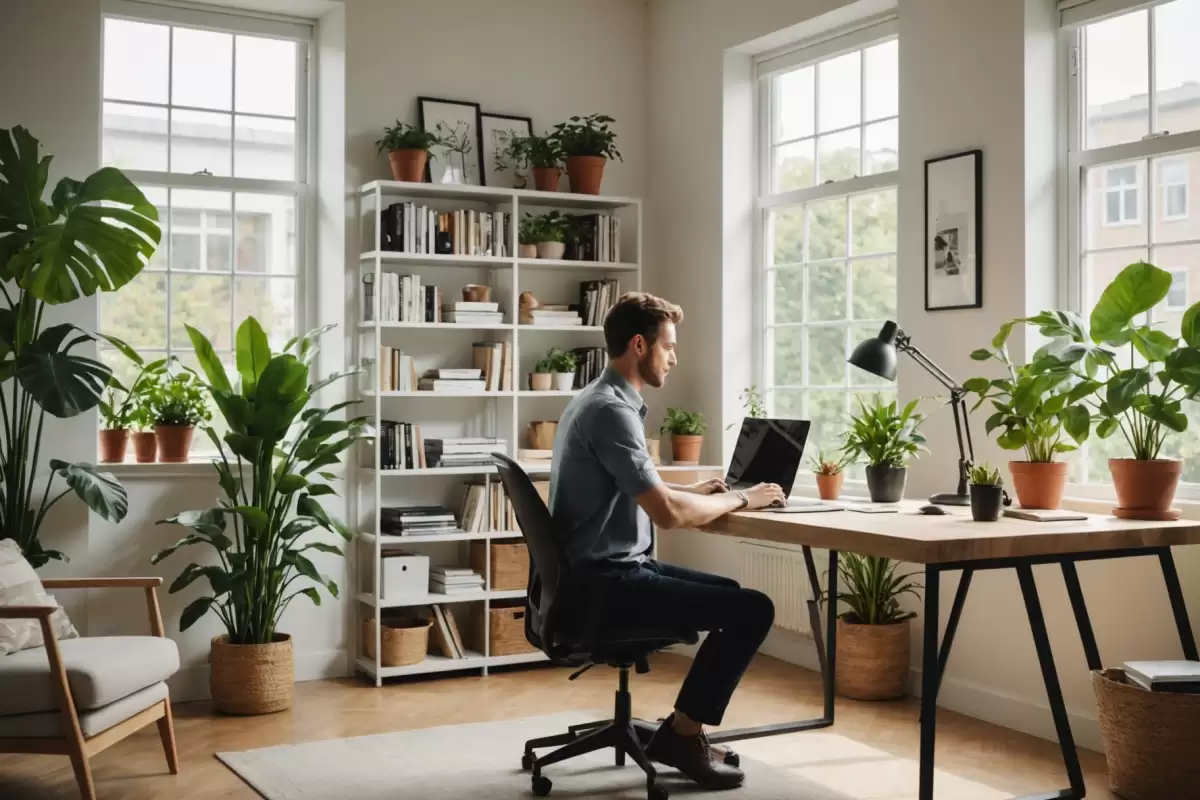
Creating a productive home office isn’t just about picking the right desk or chair. It’s about crafting an environment that inspires creativity and focus. Start by considering what elements make you feel comfortable and motivated. Is it a plant on your desk? Natural light streaming through the window? Or maybe it’s a playlist that gets you in the zone. Whatever it is, make sure your workspace reflects your personal style and needs. After all, this is your domain—make it a place you love to be.

The Importance of Community and Connection

While working from home has its perks, it can also be isolating. Humans are social creatures, and we thrive on interaction. This is where co-working spaces come into play. They offer a sense of community and a chance to connect with like-minded individuals. Whether it’s a quick chat over coffee or a brainstorming session with a new acquaintance, these interactions can spark creativity and boost morale.

The Crate: A Community-Driven Workspace

If you’re in Auckland and looking for a space that combines flexibility with community, The Crate might just be your answer. Their virtual office solutions offer more than just a prestigious address—they provide a vibrant community where professionals can network and collaborate. Curious to learn more about how a virtual office can revolutionize your work life? Check out The Crate’s blog post here. It’s packed with insights on how to make the most of this innovative work model.

Balancing Productivity and Wellbeing

One of the biggest challenges of remote work is finding the right balance between productivity and wellbeing. It’s easy to blur the lines between work and personal time when your office is at home. To maintain a healthy work-life balance, set clear boundaries. Designate specific work hours and stick to them. Take regular breaks to recharge—whether it’s a walk outside or a quick meditation session. Remember, productivity isn’t just about getting things done; it’s about working smarter, not harder.

Embracing Flexibility

Flexibility is the cornerstone of the modern work environment. It’s about having the freedom to choose when and where you work. This autonomy can lead to increased job satisfaction and a better quality of life. But it also requires discipline and self-motivation. Are you ready to embrace this new way of working? It might just be the key to unlocking your full potential.

In conclusion, the future of work is all about adaptability and choice. Whether you’re drawn to the idea of a virtual office or prefer the structure of a hybrid model, the options are endless. The key is to find what works best for you and your lifestyle. For more insights into creating a productive and fulfilling work environment, check out this comprehensive guide on remote work strategies.