Photo: Adrian Scottow from London / Wikimedia Commons, CC BY-SA 2.0
A 375-acre private coral island north of Mahé, with colonial-style beach cottages, an island farm kitchen, a century-old lighthouse and Two MICHELIN Keys — still run by the Seychellois Mason family.
The setting
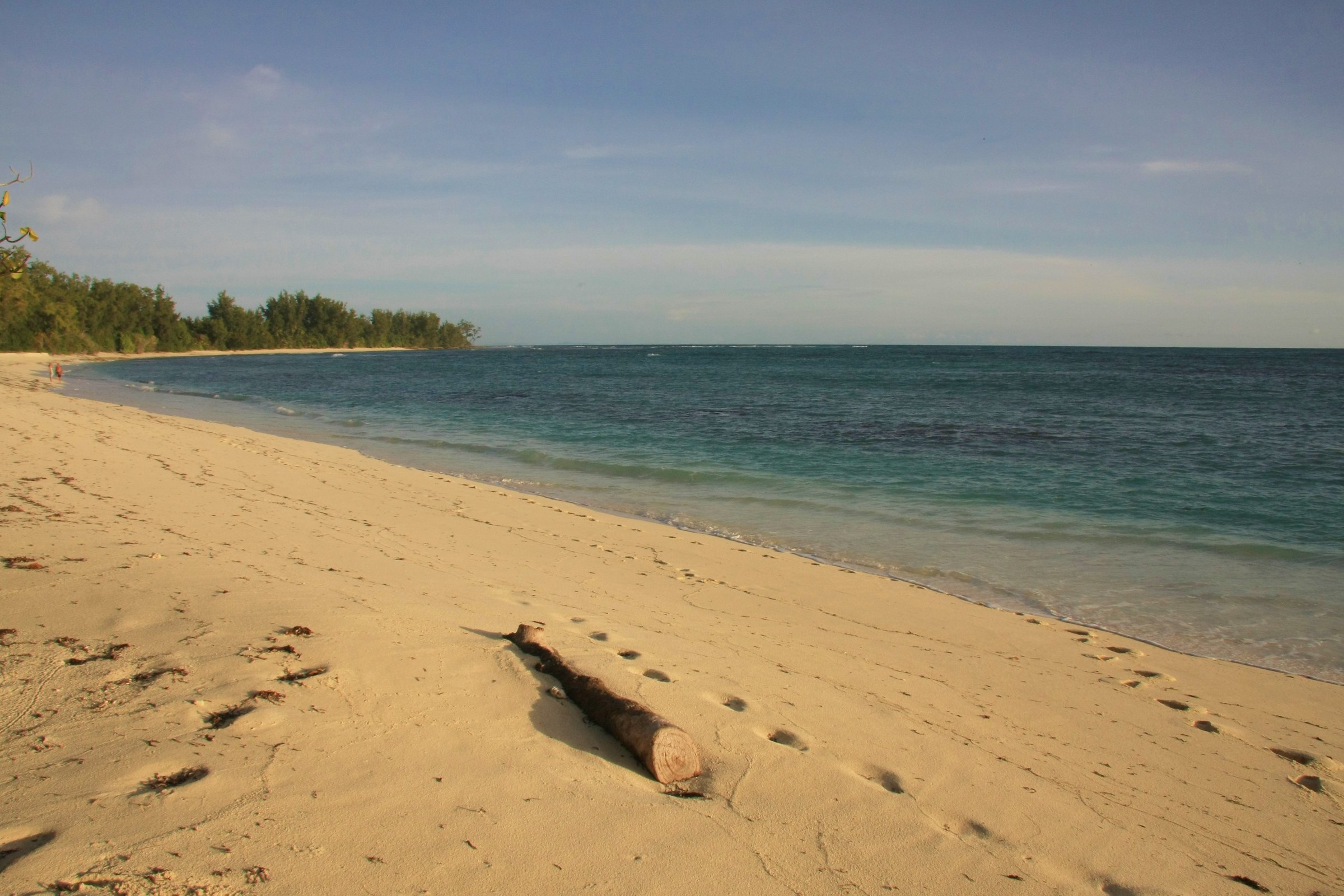
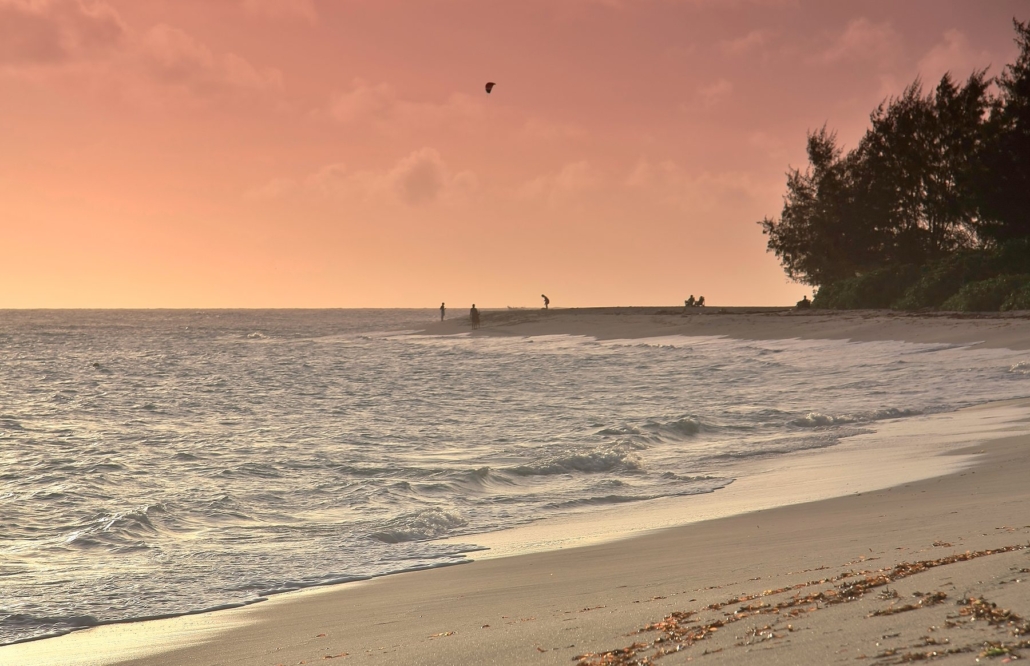
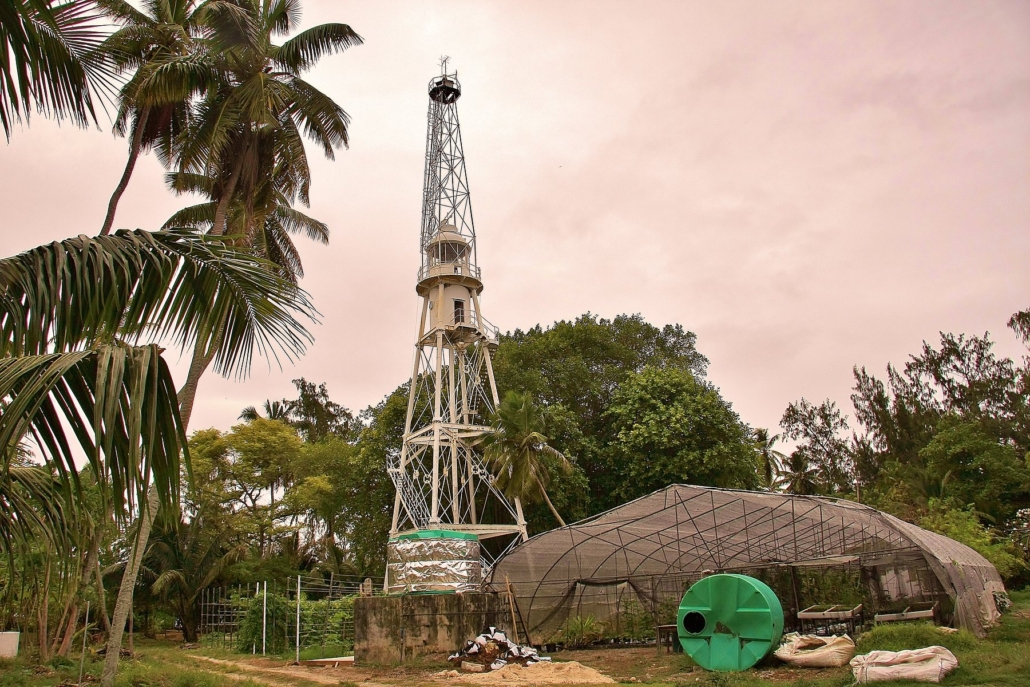
Denis Island sits on the northern edge of the Seychelles Bank, where the continental shelf drops into deep ocean. The whole 375-acre coral islet is reserved for hotel guests: white-sand beaches, a calm lagoon with national protected status, a grass airstrip, a century-old lighthouse, an ecumenical chapel and patches of rehabilitated woodland where giant tortoises wander.
“Of the 115 islands that form the Seychelles archipelago, only a few are off-limits to the general public, including Denis Private Island.”
There is no mobile signal and no in-room internet or television — a deliberate unplug. Conservation programmes cover reef restoration with Reef Star frames built on the island, nesting sea turtles, and habitat work that has brought back endangered endemic birds including the Seychelles magpie robin, paradise flycatcher and warbler. The property is privately owned by the Mason family and, among Seychelles MICHELIN Key hotels, calls itself the only locally owned, independent awardee. That local ownership shows in the details: furniture built on the island, produce from the island farm, and a pace that favours long beach days over a programmed resort clock.
The rooms & villas
MICHELIN and the hotel list 23 cottages and villas, spread along the northern coast so each has a semi-private beach. Furniture and wood floors are made at the island’s carpentry workshop a few hundred metres away. Every cottage has a living area, writing desk, bathroom with bathtub and a garden courtyard with an open-air shower.
Three Beach Cottages (90 m²) sit on the sand with a furnished verandah and loungers. Ten Deluxe Beach Cottages (about 110 m² on the hotel site) add a sala and daybed in the front garden. Nine Beachfront Spa Cottages add a private massage pavilion in the bathroom courtyard. The single Beach Villa (325 m²) is the family flagship: plunge pool, wrap-around verandah, outdoor dining pavilion and two al fresco showers. Children of any age are welcome; book under-12s directly with reservations.
Eat & drink
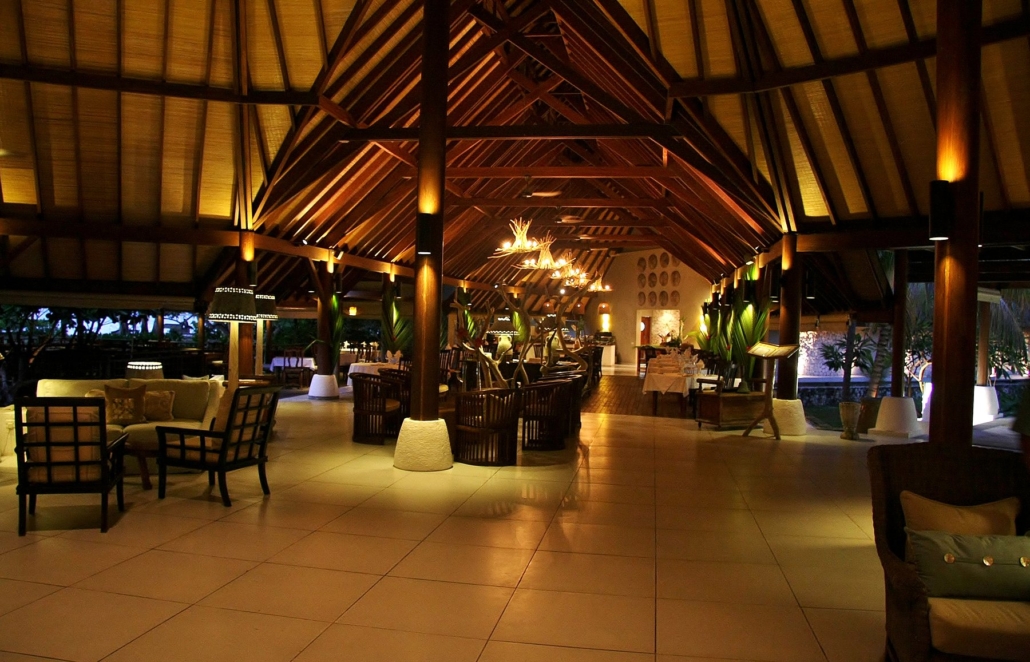
Dining is full-board and farm-led. The island’s organic farm supplies fruit, vegetables, herbs, eggs and dairy; seafood comes from surrounding waters. The terrace restaurant runs a refined Creole-leaning kitchen: breakfast is generous, lunch often buffet-style, and dinner a multi-course or themed evening (Creole or Japanese/sushi nights with live cooking are regular). Beach dinners under the stars can be booked for two or a small group.
A wine cellar and bar support the restaurant. Private villa dining suits families who prefer to stay on their own beachfront.
Wellness
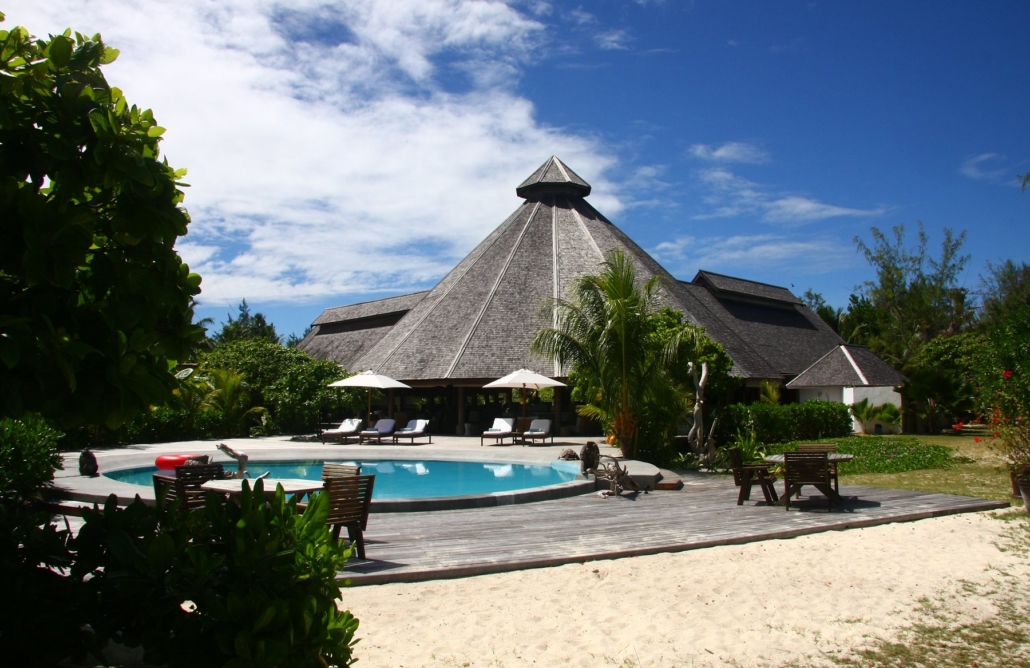
There is no vast spa complex. Therapists come to Beachfront Spa Cottages’ private pavilions, or treat guests elsewhere on request, with a menu of Seychellois-, Indian- and Swedish-inspired massages, facials, wraps and nail care. A shared outdoor swimming pool, tennis court and complimentary bicycles cover the lighter hours. The real wellness pitch is the island itself: snorkelling in a turtle sanctuary, long beach walks and days without a phone.
Beyond the resort
Everything worth doing is on Denis. Guests snorkel the lagoon, dive with the PADI centre, kayak, fish the drop-off for game species, cycle to the tortoise enclosure and walk jungle paths to the lighthouse and old settlement. The surrounding Marine Protected Area is a biodiversity hotspot — manta rays, nesting turtles, and seasonal whale sharks and blue whales have been recorded.
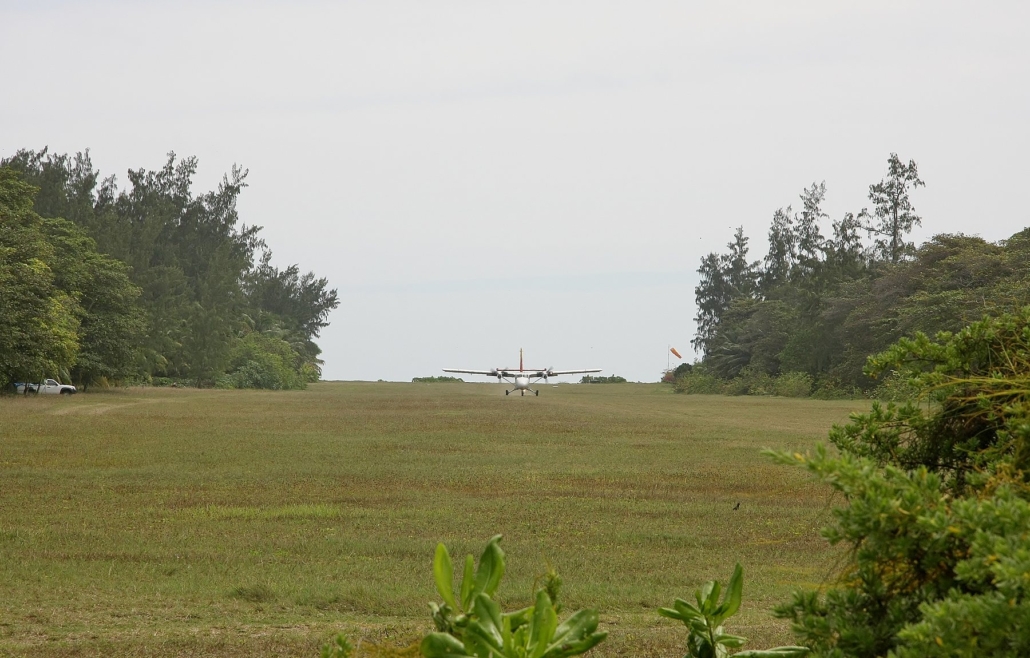
Mahé and the rest of the archipelago are a short flight away if you want to add a granite-island or city day; most guests stay put. On Denis itself, a morning might run from a bicycle ride through rehabilitated woodland to a snorkel over turtle grass, then a late lunch and an open-air massage in a Spa Cottage courtyard. The island’s chapel, cemetery remnants and old settlement paths give a sense of place beyond the beach.
When to go
Seychelles is tropical year-round, with air temperatures usually in the mid-to-high twenties Celsius. The drier, calmer months typically run from about May to September and again around December; northwest winds and more rain are more likely from October to March, with short, sharp showers rather than all-day grey. Sea conditions for snorkelling and fishing vary with the monsoon; diving and big-game days should be booked with the island once dates are firm. Festive weeks and European school holidays fill first; shoulder weeks often bring the same water and fewer people.
Who it’s for
Denis suits families and couples who want a private island without a mega-resort footprint, and who are happy to trade Wi-Fi for birdsong. Birders, snorkellers and anglers do especially well, as do travellers who like the idea that the carpentry, farm and conservation work are part of the same island community. Guests who need constant connectivity, a large spa building or a nightlife strip will be better elsewhere; the whole island can also be booked for total privacy.
This guide was researched independently from published sources; Cosmopolitan Courier was not compensated.