Photo: Tiia Monto / Wikimedia Commons, CC BY-SA 3.0
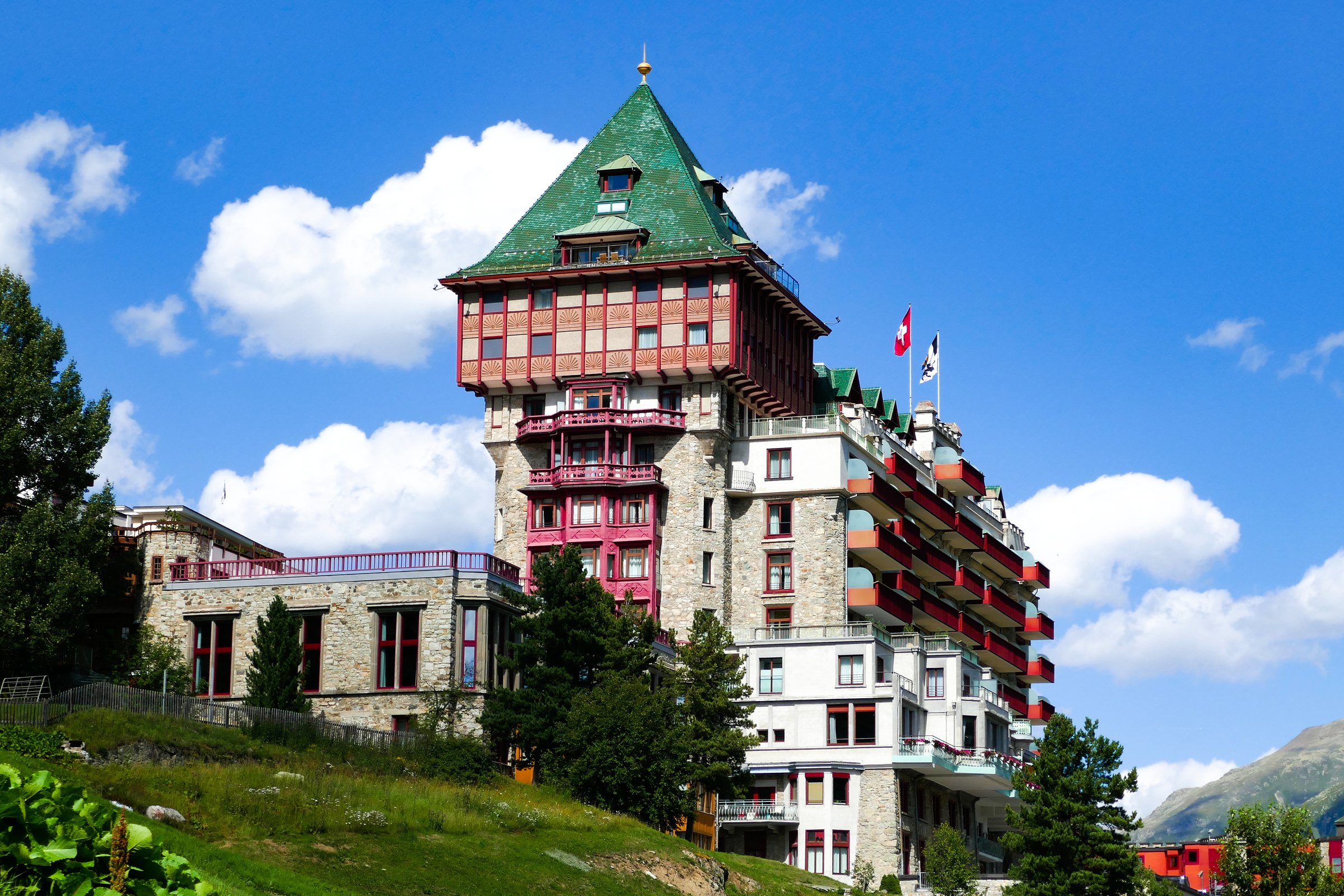
Founded in 1896 and still the social centre of St. Moritz, Badrutt’s Palace pairs Belle Époque rooms with a new Loro Piana wing, a Nobu restaurant in a former tennis hall and a new infinity pool.
The setting
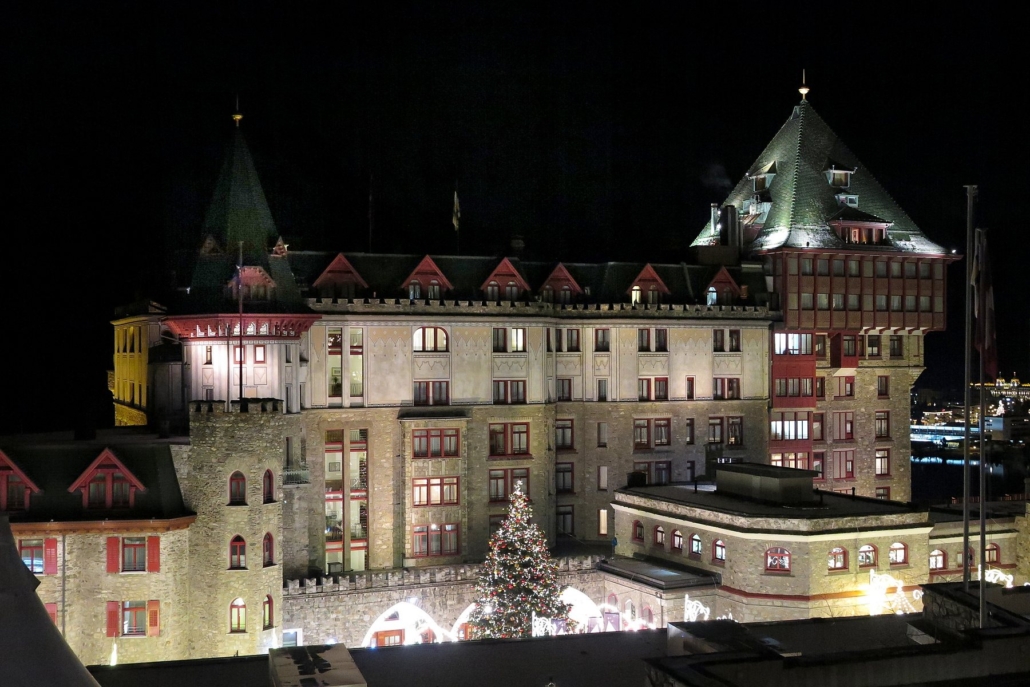
St. Moritz owes much of its winter reputation to the Badrutt family. The MICHELIN Guide credits Johannes Badrutt with persuading a group of English tourists to try skiing, and Caspar Badrutt founded the Palace in 1896. More than a century on, the castle-like hotel remains the place where the resort’s social life converges. It is still privately owned: the hotel’s 2026 press kit names Anikó Badrutt, wife of the late Hansjürg Badrutt, as majority shareholder.
“And today his legacy lives on as the definition of wintry European glamour: Badrutt’s Palace Hotel.”
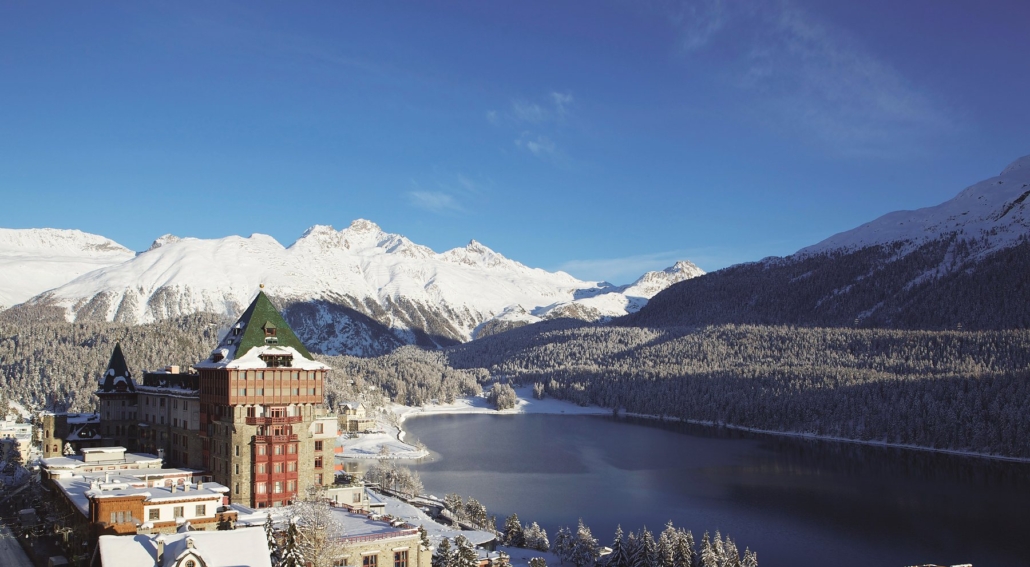
The guest book reads like a film archive: Coco Chanel, Charlie Chaplin, Alfred Hitchcock and Marlene Dietrich all stayed. The hotel also says it was the first Swiss hotel named on The World’s 50 Best Hotels list. Its address on Via Serlas puts it on the town’s luxury shopping street, and the Palace Galerie gathers luxury boutiques on the first floor of the hotel’s newest wing.
The rooms & villas
The hotel’s 2026 press kit counts 163 rooms, 47 of them suites; MICHELIN’s page still lists 157, so we use the hotel’s current figure. The rooms come in two distinct moods. The historic rooms, which MICHELIN describes as having big beds and walls padded in silk and leather, carry the Belle Époque look. Superior rooms on the village side look across St. Moritz to the Corviglia ski mountain.
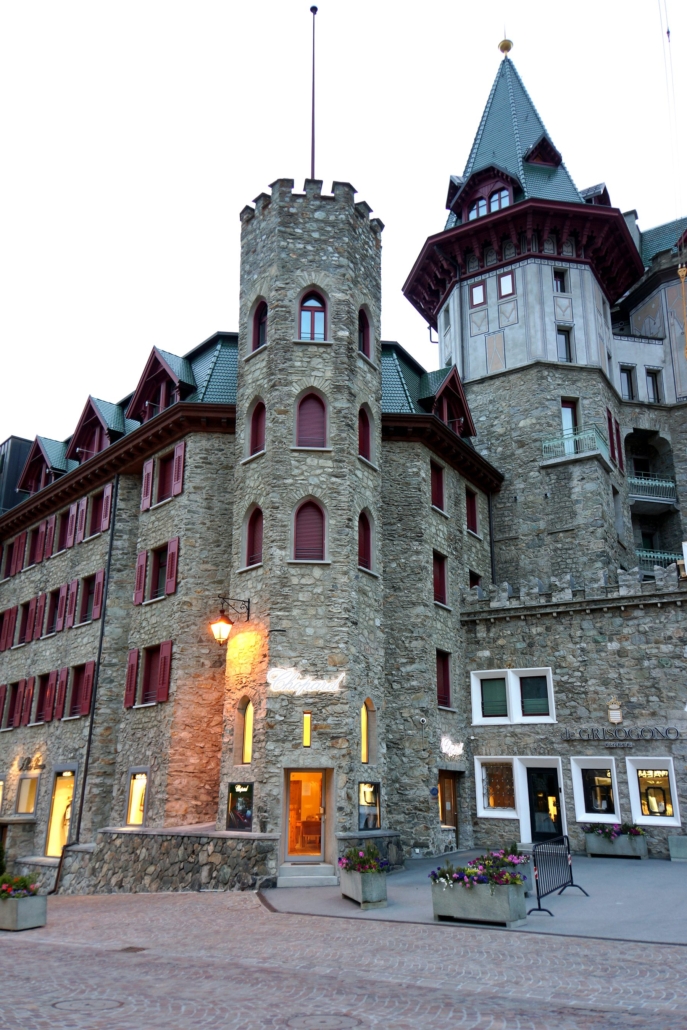
The Serlas Wing is the recent addition, designed by Milan’s ACPV Architects with interiors by Loro Piana Interiors. Its rooms and suites use oak, stone floors and wool-panelled walls, and run from the Serlas Room to the 159-square-metre Serlas Two-Bedroom Suite. Families are catered for with suites whose living rooms take an extra bed. The Serlas Prestige Suite is the wing’s showpiece, close to the boutiques of the Palace Galerie. Elsewhere, the Hans Badrutt Suite has a marble lobby, a grand piano in the living room and one of the largest terraces in the hotel.
Eat & drink
Badrutt’s runs up to eleven restaurants across its seasons, which makes it one of the most varied dining addresses in the Alps. Le Grand Hall, which the hotel calls “the living room of St. Moritz”, serves afternoon tea to live piano, while guests parade along what the hotel calls “the catwalk of St. Moritz”. It also serves international dishes and cocktails through the day. Le Restaurant handles breakfast, while Le Relais keeps the Belle Époque spirit with gueridon service at the table.
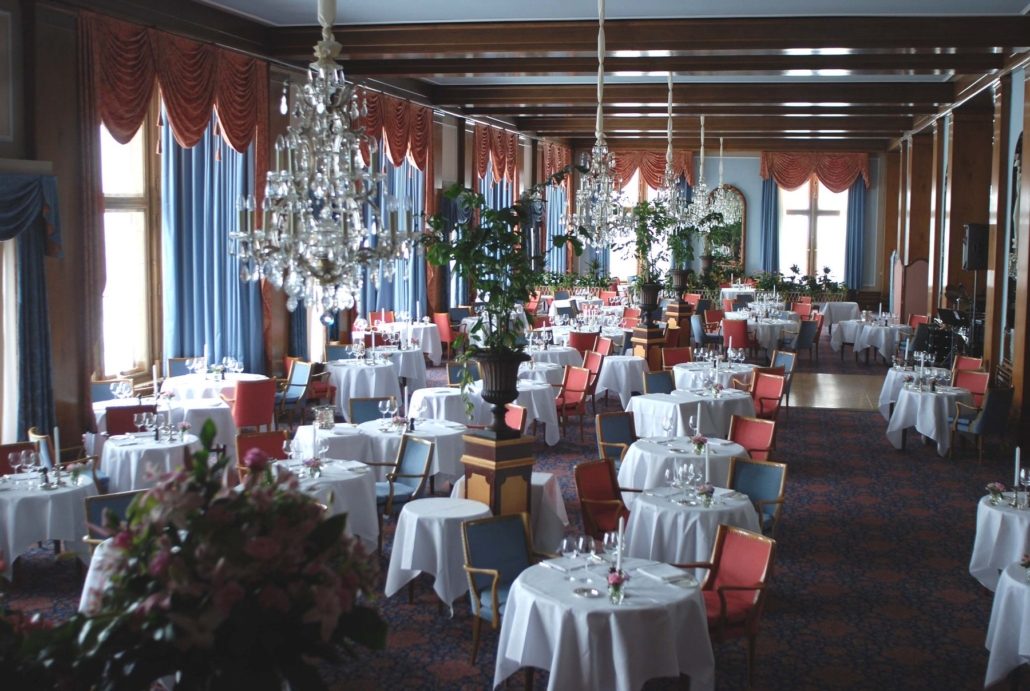
Nobuyuki Matsuhisa’s La Coupole – Matsuhisa occupies the former tennis hall under a glass dome and serves Japanese–Peruvian cooking with a sushi bar. King’s Social House, once Switzerland’s oldest nightclub, reopened in 2018 with Jason Atherton’s bistro menu followed by DJs.
The Chesa Veglia, one of the hotel’s best-known dining addresses, holds several more venues: Grill Chadafö for grilled dishes, Carigiet Fondue Stübli for fondue and Pizzeria Heuboden in the old hayloft. Paradiso, with its mountaintop setting, keeps a list of more than 500 wines. Back in the hotel, the Renaissance Bar is built around whisky, cigars and Champagne.
Wellness
Palace Wellness centres on a new infinity pool that runs from indoors to outdoors, with a Jacuzzi alongside. Facilities include a Technogym-equipped gym, saunas, a salt steam room and the Palace Coiffeur salon. La Diala, the restaurant inside the wellness area, serves a lighter menu with mountain views.
Beyond the resort
In winter, St. Moritz’s own calendar is reason enough to go out. White Turf, the horse races held on the frozen Lake St. Moritz since 1907, takes over the lake for three Sundays each February; the 2027 race days are 7, 14 and 21 February, with flat racing, trotting and skikjöring, in which skiers are pulled along by galloping horses. Skiers head up to Corviglia, the mountain above the town, and the hotel adds an ice rink of its own in winter.
In summer, the Upper Engadin has more than 580 kilometres of trails, according to the St. Moritz tourist office. Routes range from an easy loop around Lake St. Moritz to panoramic walks from Muottas Muragl, whose views inspired the painter Giovanni Segantini, and over Piz Nair and Corviglia. Families can follow the Schellenursli trail down from Salastrains or walk up to the original Heidi hut above the town. Back at the hotel, tennis and padel replace the ice.
When to go
Badrutt’s Palace opens for two seasons rather than all year. According to its July 2026 press kit, the summer season runs from 5 June to 7 September 2026 and the winter season from 3 December 2026 to 30 March 2027, so late spring and autumn are out. Winter is the classic choice and the fullest version of the hotel, with 11 restaurants, two bars and a nightclub operating, plus skiing and the White Turf weekends in February. Summer is calmer, with eight restaurants and a bar, and the trails and lakes take over from the slopes; on Heidi’s Flower Trail at Chantarella, close to 100 species of flowers bloom between June and October. St. Moritz lies at about 1,800 metres, so pack layers for the evenings in either season.
Who it’s for
Badrutt’s Palace is for travellers who want St. Moritz at full volume: long lunches, après-ski and late nights in one building. Families do well here too, with a dedicated children’s and teens’ programme and family-friendly dining. Food-driven groups can eat somewhere different every night without leaving the property.
Guests after a quiet mountain retreat may find the social calendar busy, especially in peak winter weeks. The newer Serlas Wing rooms offer a calmer, more contemporary base for those who prefer it.
This guide was researched independently from published sources; Cosmopolitan Courier was not compensated.